








Keep Your Home Dry and Fresh
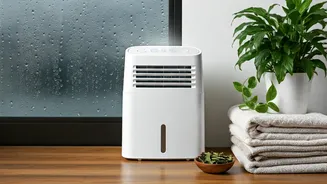
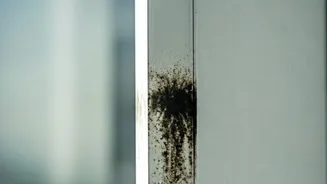
High humidity makes your home a breeding ground for mould and mildew, which can trigger allergies and respiratory issues. The key is to improve air circulation and reduce moisture. Keep windows open for cross-ventilation whenever it is not raining to let
stale, damp air out. For persistently damp areas like basements and bathrooms, a dehumidifier is a worthy investment, as it actively pulls moisture from the air. You can also place natural absorbents like bowls of rock salt, activated charcoal, or even coffee grounds in corners, cupboards, and behind furniture to soak up excess humidity. It's also crucial to inspect your home for any leaks in roofs, walls, or pipes and seal them before the rains intensify.
Win the Wardrobe War
One of the biggest monsoon frustrations is the persistent musty smell on clothes that don’t dry properly. Avoid piling up dirty laundry, as bacteria thrive in damp heaps, causing odour. When washing, adding half a cup of white vinegar or baking soda to the rinse cycle can act as a natural deodoriser and antibacterial agent. Ensure clothes are completely dry before storing them. If you dry indoors, use a fan to speed up the process and place the drying rack in a well-ventilated area. To protect stored clothes, place silica gel packets, chalk, or camphor balls in your wardrobe to absorb trapped moisture and keep garments smelling fresh.
Adapt Your Skincare Routine
The sticky, humid weather can throw your skin off balance, leading to increased oiliness, clogged pores, and breakouts. It's essential to cleanse your face twice daily with a gentle, pH-balanced wash to remove sweat and grime without stripping your skin. Even though the air is moist, your skin still needs hydration. Switch to a lightweight, gel-based moisturiser that hydrates without feeling heavy or greasy. Skipping sunscreen is a common mistake; UV rays penetrate clouds, so applying a broad-spectrum, non-greasy sunscreen daily is non-negotiable to prevent skin damage.
Tame That Monsoon Frizz
High humidity is the main culprit behind frizzy, unmanageable hair during the monsoon. The hair shaft absorbs excess moisture from the air, causing it to swell and frizz. To combat this, switch to a gentle, sulphate-free shampoo to avoid stripping natural oils. Don't skip conditioner, and consider a weekly deep-conditioning hair mask to keep your hair hydrated and smooth. A lightweight, anti-frizz serum applied to the lengths of your hair can create a barrier against humidity. Also, try to avoid tying up your hair when it's wet, as damp strands are weaker and more prone to breakage.
Protect Your Electronics
Moisture is a silent enemy of electronic devices, causing corrosion, short circuits, and permanent damage. Keep gadgets away from open windows where they can be exposed to rain and high humidity. Placing silica gel packets in your laptop bag, camera case, or storage boxes can help absorb excess moisture. For sensitive and expensive equipment like cameras, a specialised dry box with a dehumidifier might be a good investment. Be cautious of condensation, which can form when a device moves from a cool, air-conditioned room to the warm, humid outdoors. Allowing your device to acclimatise for a few minutes can prevent this.
Stay Healthy and Infection-Free
The damp environment is perfect for the growth of fungus and bacteria, increasing the risk of skin infections. It's vital to keep your body dry. Change out of wet clothes and shoes immediately. Pay special attention to skin folds, feet, and underarms, ensuring they are clean and dry. Wearing breathable fabrics like cotton helps with air circulation and reduces sweating. To boost your immunity from within, stay hydrated and eat a balanced diet rich in antioxidants. Avoiding excessively oily and processed foods can also help prevent skin inflammation and acne.