


The Foundation: A Perfect Dough
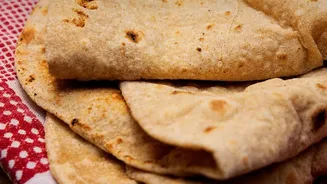
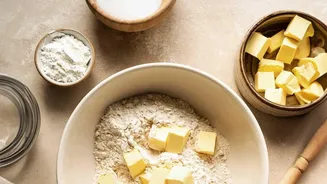
The secret to an unforgettable naan lies in its dough. Unlike roti, naan is a leavened bread, which gives it that signature pillowy softness. The key ingredients are simple: all-purpose flour (maida), yeast, a little sugar to activate the yeast, salt,
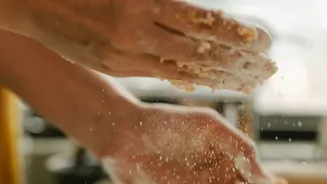
plain yogurt (dahi), and a touch of oil or ghee. The yogurt is crucial; it tenderises the dough and adds a subtle tangy flavour that is characteristic of authentic naan. To begin, you'll activate the yeast in warm water with sugar until it becomes foamy. This mixture is then combined with the flour, salt, yogurt, and oil. Knead everything together for about 8-10 minutes until you have a soft, smooth, and slightly sticky dough. Don't be tempted to add too much extra flour, as a slightly sticky dough results in a softer naan. Once kneaded, let it rest in a warm place for at least an hour, or until it has doubled in size.
Shaping and Flavouring Your Naan
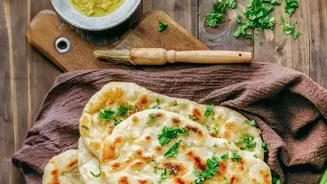
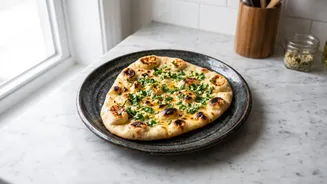
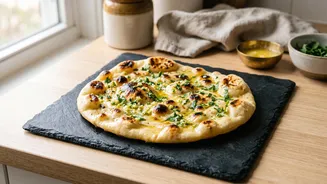
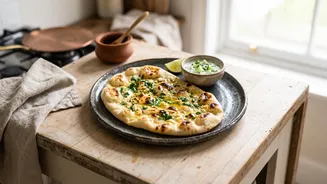
Once the dough has risen beautifully, punch it down gently to release the air and divide it into equal-sized balls. Now for the fun part: the garlic and coriander topping. Finely chop fresh garlic and coriander leaves and have them ready in a small bowl. Take one ball of dough and roll it into an oval or classic teardrop shape, about a quarter-inch thick. Don't worry about making it perfectly uniform; the rustic, hand-stretched look is part of its charm. Sprinkle a generous amount of the garlic-coriander mixture onto the surface and gently press it into the dough with the rolling pin. This ensures the toppings embed into the bread and don't fall off during cooking.
The Tawa Magic: Cooking Without an Oven
This is where your regular iron tawa becomes a tandoor. Heat your tawa over a medium-high flame until it's very hot. A well-heated pan is essential for the naan to puff up correctly. Now for the trick that ensures it sticks: flip the rolled naan over and brush the plain side (the side without garlic) with a bit of water. Immediately place the naan, wet-side down, onto the hot tawa. The water will create a sticky paste with the surface starch, making the naan adhere to the pan. Cook for about a minute or two, until you see large bubbles forming on the surface. Now, here's the key step: using the tawa's handle, carefully invert the entire pan and hold it over the direct gas flame. This roasts the top of the naan, creating those iconic charred spots and smoky flavour. Once it’s cooked, use a pair of tongs to gently peel it off the tawa and immediately brush it generously with melted butter or ghee.
Tips for Fluffy, Fail-Proof Naan
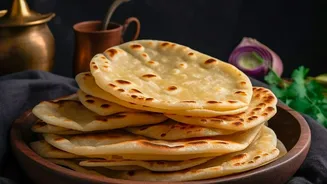
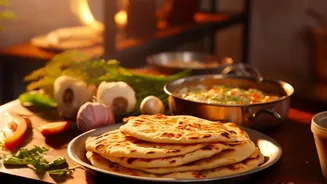
To avoid a hard or chewy result, there are a few things to keep in mind. First, do not over-knead the dough; this develops too much gluten and leads to a rubbery texture. A gentle knead until the dough is just smooth is sufficient. Secondly, ensure your tawa is hot enough before you start cooking. A medium or low heat will dry out the naan before it has a chance to puff up. Lastly, keep the cooked naans stacked and covered with a clean kitchen towel. This traps the steam and keeps them wonderfully soft and warm until you’re ready to serve.
Perfect Pairings: The Best Curries for Your Naan
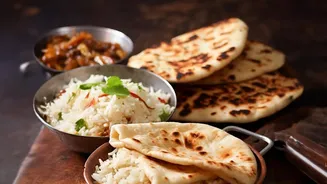
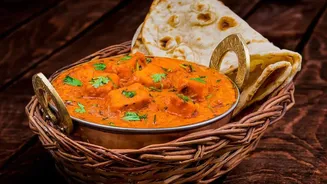
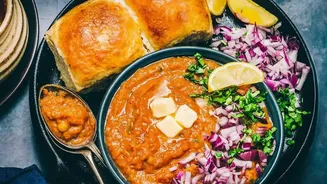
Now that you have a stack of warm, buttery garlic naan, you need the perfect curry to mop up. The richness of garlic naan pairs beautifully with creamy, tomato-based gravies. Classic choices like Butter Chicken, Paneer Butter Masala, or the luscious and smoky Dal Makhani are foolproof companions. The soft bread is the ideal vehicle for scooping up these rich sauces. For those who enjoy a bit of spice, a robust Lamb Rogan Josh or a fiery Vindaloo also works wonderfully, with the naan providing a delicious balance to the heat. A simple Palak Paneer or a flavourful Chana Masala are also excellent vegetarian options that shine when served with freshly made naan.