



Beyond the Traditional Tiffin
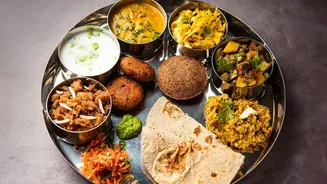
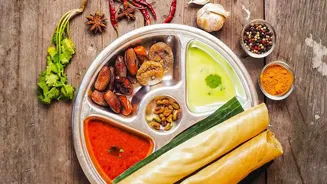
For generations, the stainless steel tiffin has been a symbol of a home-cooked meal delivered with love. Its stacked compartments kept roti, sabzi, dal, and rice separate on commutes across India. But as our work lives change, so do our lunch needs. Enter
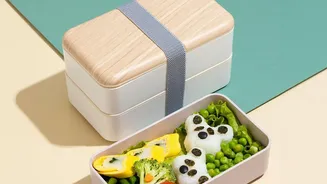
the bento-style Indian lunch. Inspired by the Japanese bento, which emphasizes balance and visual appeal, this modern approach uses a single, multi-compartment box to create a complete, well-portioned meal. Unlike the vertically stacked tiffin, a bento box lays everything out in one plane, turning your lunch into a vibrant, organized, and inviting spread. It’s less about just carrying food and more about curating a delightful dining experience.
The Art of the Compartment
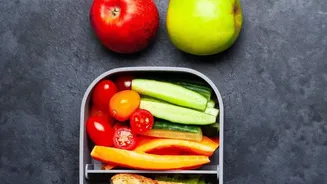
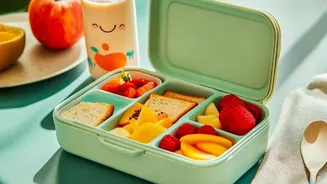
The magic of the bento box lies in its divisions. These compartments do more than just prevent your cucumber raita from making your paratha soggy; they encourage a healthier, more mindful way of eating. The separated sections are a natural guide for portion control, helping to prevent the common problem of overeating from a single large container. They also prompt you to think in terms of a balanced meal—a section for protein (dal, paneer, chickpeas), another for complex carbs (rice, roti), one for vegetables, and perhaps a small spot for a treat or some fruit. This structure ensures variety in every bite, keeps distinct flavours from mixing, and ultimately reduces food waste by encouraging you to pack only what you need.
Building Your Perfect Indian Bento
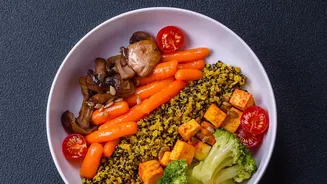
Creating an Indian bento is simpler than it looks and is all about embracing variety. A good formula to follow is the 4-3-2-1 ratio: four parts carbohydrate, three parts protein, two parts vegetables, and one part fruit or pickle. Start with a main grain like jeera rice, vegetable pulao, or a neatly folded roti. For protein, think paneer tikka, chana masala, or a dry moong dal. The vegetable component can be a simple stir-fry (sabzi), a fresh kachumber salad, or steamed broccoli. Finally, fill the smallest compartment with a tangy pickle, some cut fruit, or a few roasted nuts for crunch. The key is to use drier preparations of curries and dals to avoid spills and to allow everything to cool completely before packing to prevent sogginess.
Bento Box Ideas to Get You Started
Ready for some inspiration? Here are a few combinations that work beautifully in a bento format: The North Indian Classic: Paneer butter masala (use a thicker gravy), two small methi theplas, a serving of black chickpea salad, and a few slices of cucumber and tomato. The South Indian Delight: Lemon rice, a small portion of vegetable poriyal (like cabbage or beans), a serving of curd rice, and a side of spicy pickle or podi. The Protein-Packed Power Lunch: A quinoa salad mixed with chickpeas and pomegranate, grilled paneer cubes, a handful of roasted makhana (fox nuts), and a sweet date for dessert. The Quick Wrap Box: A whole wheat roti wrap filled with a dry aloo gobi sabzi, a side of cooling yogurt dip, and a small fruit salad.
Tips for Packing and Prep
To make your bento journey a success, a little planning goes a long way. Many components, like chopping vegetables or making chutneys, can be prepped the night before. Always let hot food cool down to room temperature for at least 15-20 minutes before closing the lid; this is the single most important step to prevent condensation, which leads to soggy food. Invest in a good quality, leak-proof bento box. While many plastic versions are available, stainless steel options are durable, eco-friendly, and reminiscent of the classic tiffin. Use silicone muffin cups to create extra divisions within larger compartments for dips or nuts. Finally, to keep rotis and parathas soft, wrap them in a small cotton cloth or butter paper before placing them in the box.