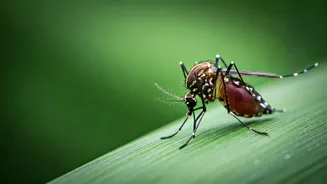









The Mosquito Menace: Dengue and Malaria
Puddles and stagnant water, common sights during the monsoon, are perfect breeding grounds for mosquitoes. [12, 18] This leads to a spike in vector-borne diseases like dengue, malaria, and chikungunya. [3, 9] These illnesses often start with high fever,
body aches, and chills. [9, 15, 19] To protect yourself, eliminate any standing water in and around your home—check flower pots, coolers, and open containers. [6, 13] Use mosquito repellents, especially in the evenings, and wear long-sleeved clothing to minimize skin exposure. [8, 13] Sleeping under a mosquito net provides an effective barrier at night. [13]
The Danger in Water: Typhoid and Cholera
The rainy season often compromises sanitation, leading to the contamination of drinking water sources with harmful bacteria. [11, 26] This significantly increases the risk of water-borne diseases like typhoid, cholera, jaundice, and gastroenteritis. [2, 9] These infections are typically spread through contaminated food and water, causing symptoms like fever, diarrhoea, and abdominal pain. [9, 11] The simplest rule is to avoid taking risks. Drink only boiled, filtered, or purified water. [11, 26] Be extremely cautious with street food, especially items like pre-cut fruits, salads, and drinks that might be prepared with unsafe water. [3, 11]
The Puddle Problem: Leptospirosis
Wading through waterlogged streets might seem unavoidable, but it carries a hidden risk: leptospirosis. [4, 17] This bacterial infection spreads through water contaminated with the urine of infected animals, like rodents, which are more active during floods. [4, 16] The bacteria can enter your body through small cuts or scrapes on your skin, or through your eyes and mouth. [17] Symptoms can be flu-like, including fever, headache, and muscle aches. [9] The best prevention is to avoid walking through floodwater. If you can't avoid it, wash your feet and legs thoroughly with soap and clean water as soon as possible. [17]
The Humidity Factor: Fungal Infections
High humidity, damp clothes, and prolonged sweating create the perfect environment for fungi to thrive. [5, 7] This leads to a surge in skin infections like ringworm, jock itch, and athlete's foot, which cause itching, redness, and rashes. [5, 23] To keep these infections at bay, focus on staying dry. Bathe daily, and if you get caught in the rain, change out of wet clothes immediately. [25] Wear loose, breathable cotton fabrics and ensure your shoes and socks are completely dry before you wear them. [5, 7] Using an antifungal powder in skin folds and between the toes can also help absorb excess moisture. [25]
The Common Cold's Comeback: Viral Fevers
Sudden fluctuations in temperature and increased humidity during the monsoon can weaken your immune system, making you more susceptible to viral infections. [15] This is why the common cold, cough, and other viral fevers are rampant during this season. [2, 12] These illnesses spread quickly, especially in crowded indoor spaces. Symptoms typically include a sore throat, runny nose, body aches, and a low-grade fever. [24] Strengthening your immunity is key. Ensure you have a balanced diet rich in Vitamin C, get adequate rest, and stay hydrated. Washing your hands frequently helps prevent the spread of viruses. [3, 26]
The Gut Feeling: Stomach Infections
The damp and humid monsoon weather helps bacteria and other pathogens grow on food, increasing the risk of stomach infections and food poisoning. [15, 24] Cooked food spoils faster, and raw foods can be easily contaminated. Symptoms often include nausea, vomiting, diarrhoea, and stomach cramps. [15] Prioritise eating fresh, home-cooked meals served hot. [28] Be wary of eating raw vegetables or salads from outside, as they may not be washed with clean water. [11, 20] Ensure your kitchen remains clean and that all food is kept covered to avoid contamination. [11]
The Irritation Itch: Eye Infections
The increased moisture, pollutants, and humidity in the air during the monsoon can lead to a rise in eye infections like conjunctivitis (pink eye) and styes. These conditions can cause redness, itching, swelling, and discharge. The infection spreads easily through contact. To protect your eyes, avoid touching them with unwashed hands. Use clean towels and handkerchiefs, and do not share personal items like eye makeup. Wearing protective glasses when you're out in the rain can also help shield your eyes from contaminated rainwater and pollutants.