
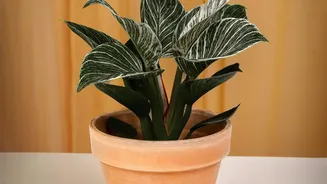
The Green Purifier Myth
The idea that houseplants can scrub our indoor air clean is a persistent and appealing one. This belief largely stems from a landmark 1989 NASA study which found that, in a sealed chamber, common houseplants could remove harmful volatile organic compounds
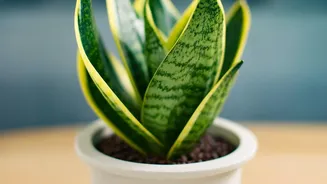
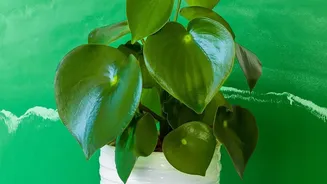
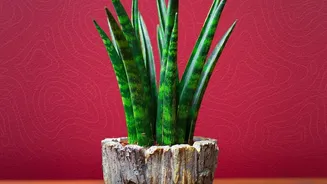
(VOCs) like formaldehyde and benzene from the air. The study was designed to explore life-support systems for future space stations, which are completely airtight environments. The results were exciting and quickly captured the public imagination. Soon, lists of 'air-purifying' plants like the snake plant, peace lily, and spider plant became widely circulated, promising a natural, beautiful solution to indoor pollution. The narrative was simple: bring nature indoors, and it will clean your home. The reality, however, is a bit more complex.
A Reality Check from Science
While the NASA study was scientifically sound, its findings don't directly translate to the average home or office. The key difference is the environment. The experiments were conducted in small, sealed chambers, not in a typical room with drafts, open doors, and a constant exchange of air. A 2019 meta-analysis of decades of research on the topic concluded that you would need an enormous number of plants to make a meaningful difference. The estimates suggest anywhere from 10 to 1,000 plants per square metre of floor space to achieve the same air-cleaning efficiency as a building's natural ventilation. For a standard 1,500-square-foot home, that could mean needing nearly 700 plants. In essence, the natural air exchange from simply opening a window or door does far more to remove VOCs than a few potted plants ever could.
So, Why Keep Plants At All?
This doesn't mean you should give up on your green friends. The benefits of having plants indoors are significant; they just aren't primarily about air purification. The most well-supported advantages are psychological. Studies have consistently shown that interacting with plants can reduce stress, lower blood pressure, and decrease levels of the stress hormone cortisol. One study found that simply being around plants helps us de-stress and can even improve our focus and productivity during work. The act of nurturing a living thing and watching it thrive brings a sense of joy and accomplishment. Plants add beauty, a splash of colour, and a vital connection to the natural world, which is especially important when we spend so much time indoors. They make our homes feel calmer, more pleasant, and more alive.
The Real Hero: Good Ventilation
If plants aren't the answer to cleaner indoor air, what is? The single most effective strategy is good old-fashioned ventilation. Indoor air can be significantly more polluted than outdoor air, filled with VOCs from furniture, paint, cleaning products, and cooking. The most efficient way to deal with these pollutants is to get them out of your house and bring fresh air in. This doesn't require expensive technology. The simplest method is to open your windows and doors for at least 5-10 minutes each day, even in colder weather, to allow for a rapid exchange of air. Using exhaust fans in your kitchen when you cook and in the bathroom when you shower also makes a huge difference in removing pollutants and excess moisture. Cross-ventilation, where you open windows on opposite sides of the house, is particularly effective at creating a breeze that flushes out stale air.