






Clear Out the Old
The first step in preparing for winter is a thorough clean-up. The constant dampness of the monsoon can take a toll on many plants. Start by removing any annuals that have completed their life cycle. Prune away dead or yellowing leaves and any branches
that look weak or diseased. This isn't just about tidiness; removing decaying plant matter helps prevent pests and fungal diseases from taking hold and overwintering in your pots. For healthy plants that you intend to keep, cut them back at the base instead of pulling them out entirely. The roots will decompose over the winter, enriching the soil naturally.
Prepare and Revitalise Your Soil
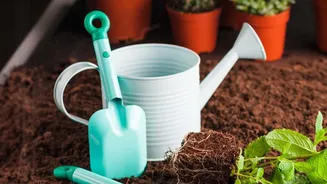
Monsoon rains can be harsh on potted plants, washing away essential nutrients and compacting the soil. Your winter plants will need a rich, well-aerated base to thrive. Gently loosen the top layer of soil in your pots with a small fork, being careful not to damage the roots of existing plants. This is the perfect time to replenish lost nutrients. Add a generous layer of organic matter like compost or well-rotted manure to each pot. Mix it into the top few inches of soil. This 'meal' will slowly break down over the next few weeks, ensuring your soil is fertile and ready for spring planting. For an extra boost, consider adding a layer of mulch, such as dried leaves or straw, to retain moisture and regulate soil temperature.
Tackle Post-Monsoon Pests
High humidity during the monsoon creates a breeding ground for pests like aphids, mealybugs, whiteflies, and various fungal diseases like powdery mildew. Before introducing new plants, it's crucial to ensure your existing ones are pest-free. Inspect your plants carefully, paying close attention to the undersides of leaves and stems. For common pests, a simple, organic solution like a neem oil spray can be very effective. To prevent fungal growth, which thrives in cool, damp conditions, ensure your plants have good air circulation and avoid overhead watering.
Select Your Winter Blooms
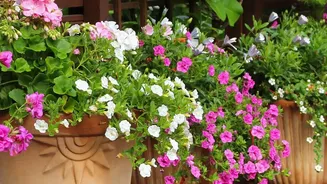
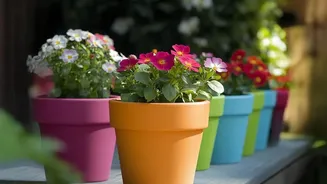
Winter in India is a fantastic season for flowering plants. With the oppressive heat gone, many varieties flourish in the mild, gentle sun. For a colourful balcony, consider planting seasonal favourites like Marigold (Genda), Petunia, Dianthus, Calendula, and Chrysanthemum (Guldaudi). These are relatively low-maintenance and do wonderfully in pots. If you enjoy fragrant flowers, Sweet Alyssum offers a lovely honey scent, while Dianthus has a pleasant, clove-like fragrance. For those interested in edibles, winter is also an excellent time to grow leafy greens like spinach (palak), fenugreek (methi), and coriander (dhania) in containers.
Adjust Your Watering Schedule
As the temperature drops, your plants' water needs will change significantly. Slower growth and less evaporation mean you'll need to water much less frequently than in summer or monsoon. Overwatering is a common mistake in winter and can easily lead to root rot. The best rule of thumb is to check the soil before you water. Stick your finger about an inch into the soil; if it feels dry to the touch, it's time to water. If it's still moist, wait a few more days. Always water in the morning, which allows the plant to absorb what it needs and lets excess moisture evaporate before the colder night temperatures set in.
Maximise Winter Sunlight
The sun is lower in the sky during winter, and daylight hours are shorter. This means your balcony might get light in different spots than it did during the summer. Take note of how the sunlight moves across your space and rearrange your pots accordingly. Most winter flowering plants and vegetables need at least 4-6 hours of sunlight to thrive and produce blooms. Move sun-loving plants like petunias and marigolds to the brightest spots. For balconies that receive less direct sun, plants like Pansies and Kalanchoe can be good options as they tolerate partial shade.