


Why This Summer Is Different
An early onset of summer heat across northern India is accelerating the melting of snow and glaciers in the high-altitude regions of Himachal Pradesh. [27] This phenomenon is causing water levels in rivers and streams, known locally as nullahs, to rise
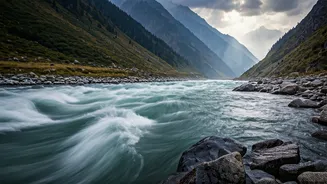
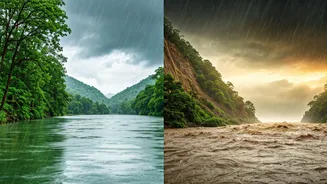
much earlier in the season than usual. The primary danger isn't just the higher water levels overall, but their rapid and unpredictable fluctuation throughout the day. This early melt is compounded by pre-monsoon showers and the continuous release of water from dams, creating a volatile situation in many popular tourist areas. [26] As a result, what might be a safe, shallow stream in the morning can become a dangerous, fast-flowing torrent by afternoon.
The Afternoon Danger Zone
The single most critical piece of advice from authorities is to be wary of water bodies after midday. As the sun beats down on the glaciers and snowpacks at higher elevations, the meltwater gathers volume and rushes down into the valleys. This cycle means that streams and rivers can swell dramatically in a matter of hours. Tourists, often unfamiliar with this mountain-specific risk, are being caught out while taking photos, attempting to cross streams, or picnicking near riverbanks. [26] The current can be highly deceptive, appearing calm on the surface while hiding a powerful undertow. Authorities have repeatedly warned that this afternoon surge is when most accidents are likely to occur.
High-Risk Areas and Official Actions
While the risk exists across the state, it is particularly acute in high-altitude districts popular for trekking and adventure tourism, including Kullu, Manali, Kinnaur, and Lahaul-Spiti. [3, 7] In response to the growing danger and despite repeated warnings, police in areas like Manali have started fining tourists who venture into the Beas river and other water bodies. [26] This drastic measure has been implemented because many visitors continue to ignore signboards and official advisories, putting themselves and rescue teams at risk for the sake of a photo or a reel. [26] Recent incidents, including flash floods triggered by cloudbursts in Kinnaur, underscore the very real dangers present this season. [3]
How to Stay Safe on Your Trip
Enjoying a Himachali holiday safely this year requires extra vigilance. The state's Disaster Management Authority (SDMA) and tourism department have issued clear guidelines. First and foremost, do not go near rivers and streams, especially in the afternoon. [22] Never attempt to cross a water body without the guidance of an experienced local guide. Before starting your journey, check the SDMA website for the latest weather alerts and road conditions. [22] Furthermore, it is highly advisable to hire registered local guides and drivers who possess an intimate understanding of the terrain and its dynamic risks. Their knowledge of which nullah is prone to flooding and at what time is an invaluable safety asset that no travel app can provide.
Respect the Mountains, Heed the Warnings
The increasing frequency of extreme weather events is a stark reality of climate change in the Himalayas. [14] While the government and local authorities are taking steps, tourist safety is a shared responsibility. Responding to warnings is not about limiting fun; it's about ensuring you return home with happy memories. The fines being imposed are a last resort to prevent tragedy. [26] By staying informed, making cautious decisions, and listening to the advice of local experts, you can still experience the breathtaking beauty of Himachal Pradesh without becoming a statistic. The mountains demand respect, and this year, that respect is more important than ever.