




The Fourth Meal Is Now Mainstream
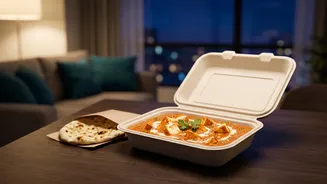
Not long ago, a meal after midnight was a rare find, limited to a few all-night diners or street stalls. Today, it’s a standard feature of city life. Fueled by app-based platforms, late-night food delivery has doubled in volume over the past year in India,
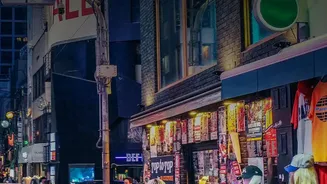
with some reports showing orders between 11 p.m. and 3 a.m. surging significantly. This isn’t just about the occasional midnight snack; it's the rise of the “fourth meal” as a major consumption trend. This trend is prominent not just in metros like Bengaluru, Hyderabad, and Mumbai, but is also rapidly growing in tier-2 cities such as Surat, Lucknow, and Patna, indicating a nationwide behavioral shift.
Technology and Changing Lifestyles Collide
At the heart of this trend are two powerful forces: digital convenience and evolving urban lifestyles. Food delivery apps like Zomato and Swiggy have created a 24/7 marketplace, making thousands of restaurants accessible with a few taps. This technological backbone supports a generation whose daily routines no longer fit a traditional 9-to-5 mold. The rise of flexible work hours, global team collaboration, a thriving gig economy, and binge-watching culture means that for many, primetime begins when others are heading to bed. As one industry expert noted, the sleep schedules of young consumers have shifted, with many staying up until 2 or 3 a.m., fundamentally altering conventional dinner times.
How Restaurants Are Adapting to the Night Economy
For the restaurant industry, the night is a new frontier for revenue. Many quick-service restaurants (QSRs) and chains like McDonald's and Domino's now operate until 3 a.m. or even later. This extended window allows them to better utilize fixed assets like rent and equipment, significantly improving profitability. The boom has also supercharged the growth of cloud kitchens—delivery-only establishments with no physical storefront. These virtual restaurants can operate multiple brands from a single, low-cost location, allowing them to experiment with menus and cater specifically to late-night demand with less financial risk. For many, late-night orders now account for 15-25% of their total daily sales.
Comfort Food and Affordable Indulgence
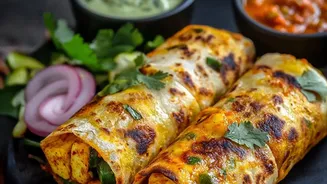
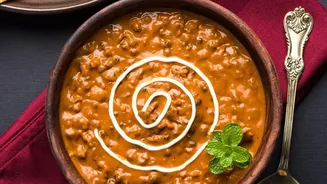
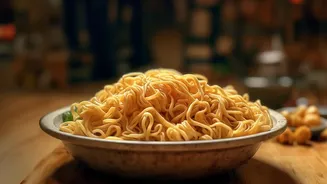
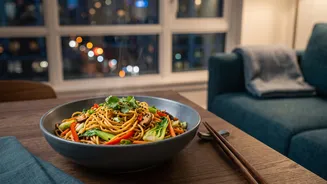
So, what are people ordering in the dead of night? Comfort and convenience are king. Pizzas, burgers, and biryani consistently top the charts, alongside a booming demand for desserts like ice cream and donuts. This reflects a move towards emotional consumption—ordering food for stress relief, reward, or spontaneous indulgence after a long day. Desserts, in particular, have become a popular category, representing an “affordable indulgence” that feels satisfying without the commitment of a full meal. This behavior is actively encouraged by platforms that curate “late-night cravings” sections and push notifications after 10 p.m.
The Human Cost of 2 AM Deliveries
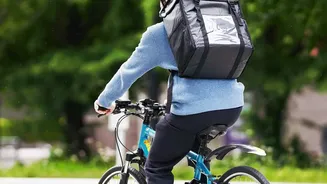
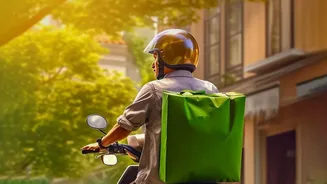
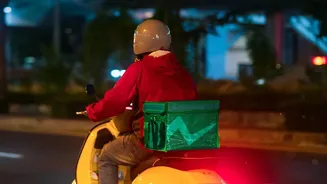
While the convenience is undeniable for consumers and profitable for businesses, it comes at a cost for the gig workers who make it possible. Delivery riders often face significant challenges, especially during late hours. Personal safety risks, including harassment and theft, increase after dark. The pressure to make timely deliveries on quiet but potentially hazardous roads heightens the risk of accidents. This is compounded by the precarious nature of gig work, which often lacks benefits like paid sick leave, insurance, or a stable income, forcing many riders to work grueling 12-to-15-hour shifts to make ends meet. The late-night boom, therefore, rests on a workforce navigating considerable physical and financial strain.