


1. White Rice for Millets
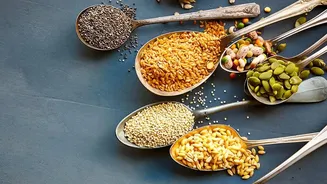
Polished white rice is being swapped for traditional millets like ragi, jowar, and bajra. This change is driven by health benefits; millets are high in fibre and nutrients, helping to manage blood sugar levels. A revival of ancient grains, supported by initiatives
like the International Year of Millets, has seen these 'super-grains' move from traditional kitchens into modern breads, dosas, and breakfast cereals. This swap is a nod to both modern health science and ancient culinary wisdom.
2. Refined Sugar for Jaggery & Natural Sweeteners
The ubiquitous white sugar is losing its place to natural alternatives like jaggery (gur), desi khand, and coconut sugar. Unlike refined sugar, which offers empty calories, these traditional sweeteners contain trace minerals like iron and have a lower glycemic impact. This shift is part of a broader move away from highly processed ingredients, with consumers seeking the authentic, earthy sweetness that jaggery brings to everything from chai to mithai.
3. Refined Oils for Cold-Pressed Oils
Many households are ditching industrially processed refined oils for cold-pressed versions of mustard, coconut, or groundnut oil. The cold-pressing technique avoids high heat and chemical solvents, which means the oils retain more natural nutrients, antioxidants, and flavour. This swap is a direct result of increased consumer awareness about how intensive processing strips oils of their inherent benefits, leading to a product with 'empty calories'.
4. Packaged Snacks for Homemade Options
Fried and packaged snacks like chips and namkeen are increasingly being replaced by healthier, homemade alternatives such as roasted makhana (fox nuts) and chana. The core motivation is to avoid preservatives, unhealthy trans fats, and excessive sodium found in many ultra-processed foods. Making snacks at home gives complete control over ingredients, allowing for healthier, fresher, and often more cost-effective options that don't compromise on crunch.
5. Dairy Milk for Plant-Based Alternatives
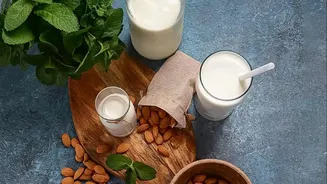
While dairy remains a staple, a significant and growing number of Indians are trying plant-based milks made from oats, almonds, or soy. This trend is fueled by several factors, including rising lactose intolerance, ethical considerations, and environmental awareness. The availability of plant-based alternatives in cafes and stores has made it easier for people to make this switch, marking a notable shift in a country that is the world's largest milk producer.
6. Cream-Based Gravies for Lighter Bases
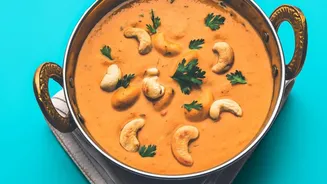
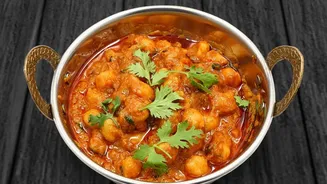
Heavy, cream-laden curries are being reimagined with lighter, healthier bases. Home cooks are now using tomato puree, yogurt, or nut pastes to achieve that rich consistency without the high saturated fat content. This trend towards 'light and bright' flavours focuses on letting the main ingredients shine rather than masking them in a heavy sauce. It’s a simple change that makes everyday meals like palak paneer and other favourites much healthier without sacrificing taste.
7. Sugary Drinks for Natural Hydrators
Bottled juices and carbonated sodas, often packed with sugar, are being swapped for nimbu pani, coconut water, buttermilk (chaas), and herbal infusions. This move is driven by a desire to cut down on 'liquid calories' and avoid the associated health risks. These natural alternatives not only hydrate but also offer electrolytes and probiotics, aligning with the growing preference for functional, clean beverages.
8. Regular Tea for Herbal Infusions
While masala chai is timeless, many are complementing their tea habit with caffeine-free herbal infusions. Blends with ingredients like tulsi, chamomile, ginger, and mint are becoming popular for their wellness benefits, such as aiding digestion and reducing stress. This trend reflects a broader shift towards mindful consumption and preventive healthcare, with people seeking simple, natural ways to support their well-being throughout the day.
9. Imported Superfoods for Local Alternatives
The initial craze for imported superfoods like quinoa and kale is giving way to a renewed appreciation for local powerhouses like moringa (drumstick leaves), amaranth (rajgira), and amla. Consumers are realizing that these indigenous foods offer comparable, if not superior, nutritional benefits, are more sustainable, and are significantly more affordable. This 'back-to-our-roots' movement celebrates the incredible biodiversity of India's own produce.
10. Refined Wheat Flour for Whole Grains
Maida, or refined all-purpose flour, is steadily being replaced by whole wheat atta, multigrain flours, and millet flours in daily cooking. Whole grains are rich in fibre, vitamins, and minerals that are stripped away during the refining process. This swap from white bread to multigrain bread or from maida-based snacks to whole-grain versions is a fundamental shift towards more nutrient-dense and less processed staple foods in the Indian diet.