
Tired of the same vegetarian fare? A traditional yet trendy ingredient is making waves in family kitchens. The banana flower, a staple in South and Southeast Asian cuisine, offers a unique, hearty texture perfect for satisfying meals.
What is a Banana Flower?
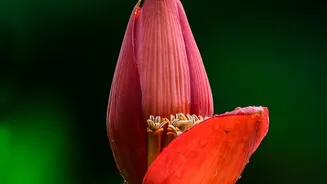
Often called a 'banana
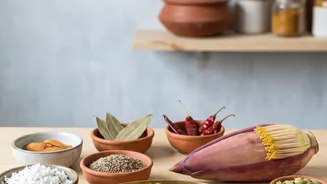
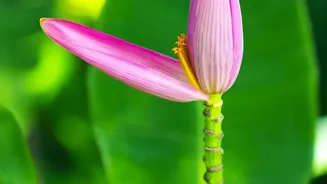
blossom' or 'banana heart', this is the large, purplish, tear-shaped flower that grows at the end of a banana cluster. While the entire banana plant has its uses, this flower is a culinary gem. Used for centuries in traditional Indian cooking, particularly in southern and eastern regional cuisines, it’s now gaining wider appreciation as a versatile vegetable. Known as 'vazhaipoo' in the south and 'mocha' in Bengal, it has a taste often compared to artichokes—mild with a hint of bitterness that mellows with cooking.
A Nutritional Powerhouse
Beyond its unique taste, the banana flower is packed with nutrients. It is an excellent source of dietary fibre, both soluble and insoluble, which aids digestion and promotes a feeling of fullness. It's also rich in essential minerals like potassium, calcium, iron, and magnesium, along with vitamins C and A. Traditional Ayurvedic practices have long used it to manage various health conditions. With a wealth of antioxidants like quercetin and catechin, it helps protect the body's cells from damage. Its high iron content may also help boost haemoglobin levels.
The Secret to Its 'Hearty' Texture
What truly sets the banana flower apart for vegetarian cooking is its remarkable texture. When cooked, it becomes tender with a flaky, layered consistency that many compare to fish or shredded meat. This makes it an excellent meat substitute, capable of absorbing marinades and spices beautifully. Its fibrous nature allows it to hold up well in curries, stews, and stir-fries, providing a satisfying 'bite' that can sometimes be missing in vegetarian dishes. This ability to mimic the texture of pulled pork or fish has made it a favorite in plant-based recipes worldwide.
How to Prepare Banana Flower
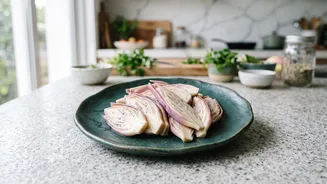
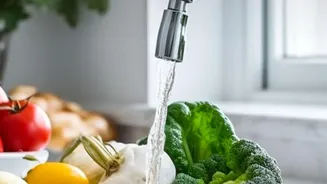
Preparing a fresh banana flower can seem intimidating, but it's a straightforward process. It’s wise to oil your hands and knife to prevent staining from its sap. Begin by peeling away the tough, outer purple layers (bracts). Underneath each layer, you'll find a row of small florets. For the larger florets, you need to remove two inedible parts: a tough, matchstick-like pistil and a small, scale-like outer petal. The smaller, tender florets towards the centre don't require this step. As you peel, you’ll reach the pale, tender heart, which can be chopped and used entirely. To prevent browning, immediately soak all the chopped parts in a bowl of acidulated water (with lemon juice or vinegar) or thin buttermilk.
From Stir-Fries to Cutlets: Meal Ideas
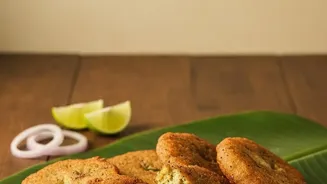
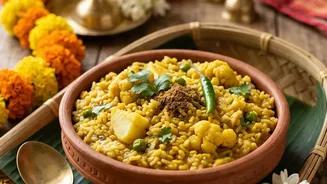
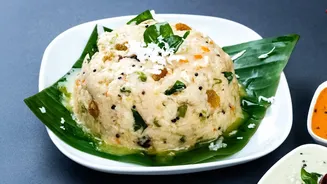
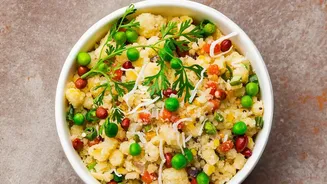
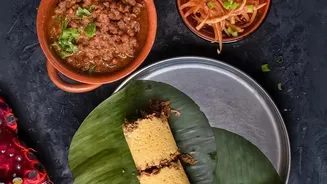
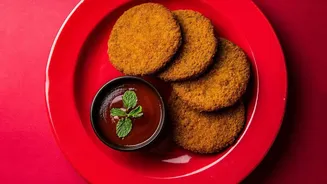
The banana flower's versatility shines in a variety of hearty Indian dishes. In South India, 'Vazhaipoo Poriyal' is a popular stir-fry made with chopped banana flower, coconut, and spices. For something more substantial, 'Vazhaipoo Vadai' are savoury fritters made by mixing the chopped flowers with a spiced lentil batter and deep-frying them until golden and crisp. In Bengal, 'Mochar Ghonto' is a classic dry curry where the blossoms are cooked with potatoes and a fragrant blend of spices. You can also make 'Mochar Chop', which are crumb-coated cutlets perfect for a snack or appetiser. Its flaky texture also makes it a great filling for rolls, tacos, and even vegan 'fish' and chips.