

Start with a Symphony of Starters
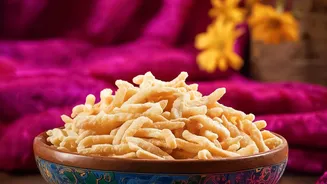
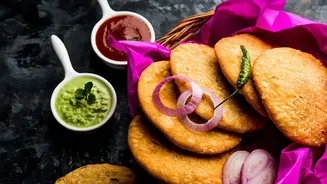
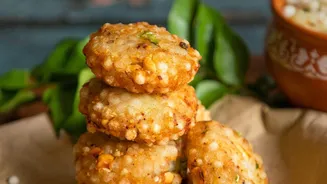
The first impression of your meal begins with the appetizers. A fusion approach allows you to present a platter of contrasting textures and flavours. Imagine pairing the soft, spongy dhokla from Gujarat with crispy, spicy Medu Vada from the South. You
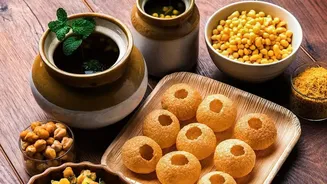
could also offer smoky Paneer Tikka from the North alongside delicate, steamed Rajasthani Kanji Vada. The key is to offer a mix of fried, steamed, and grilled options. This not only caters to different preferences but also creates an exciting prelude to the main course. Consider adding a vibrant chaat, like a chickpea sundal or aloo chaat, for a burst of tangy and spicy flavours that awaken the palate.
Crafting the Main Course
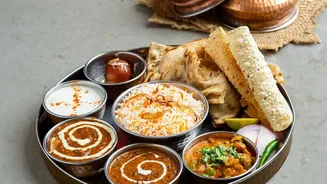
The heart of your menu is the main course, and this is where the art of fusion truly shines. The rule of thumb is to balance rich, creamy gravies with lighter, drier preparations. For instance, a decadent Paneer Butter Masala, a North Indian favourite, pairs beautifully with a tangy and vegetable-rich Avial from Kerala. Or, you could place a hearty Rajasthani Gatte ki Sabzi, with its savoury gram flour dumplings, next to a simple Maharashtrian Varan (dal). This ensures that the palate isn't overwhelmed by similar textures or gravies. Aim for a variety of vegetables and lentils to create a colourful and nutritionally balanced spread. A classic Aloo Gobi or a flavourful Chana Masala are always crowd-pleasers that can bridge different regional styles.
The Unsung Heroes: Breads and Rice
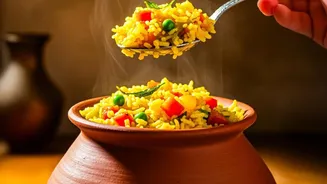
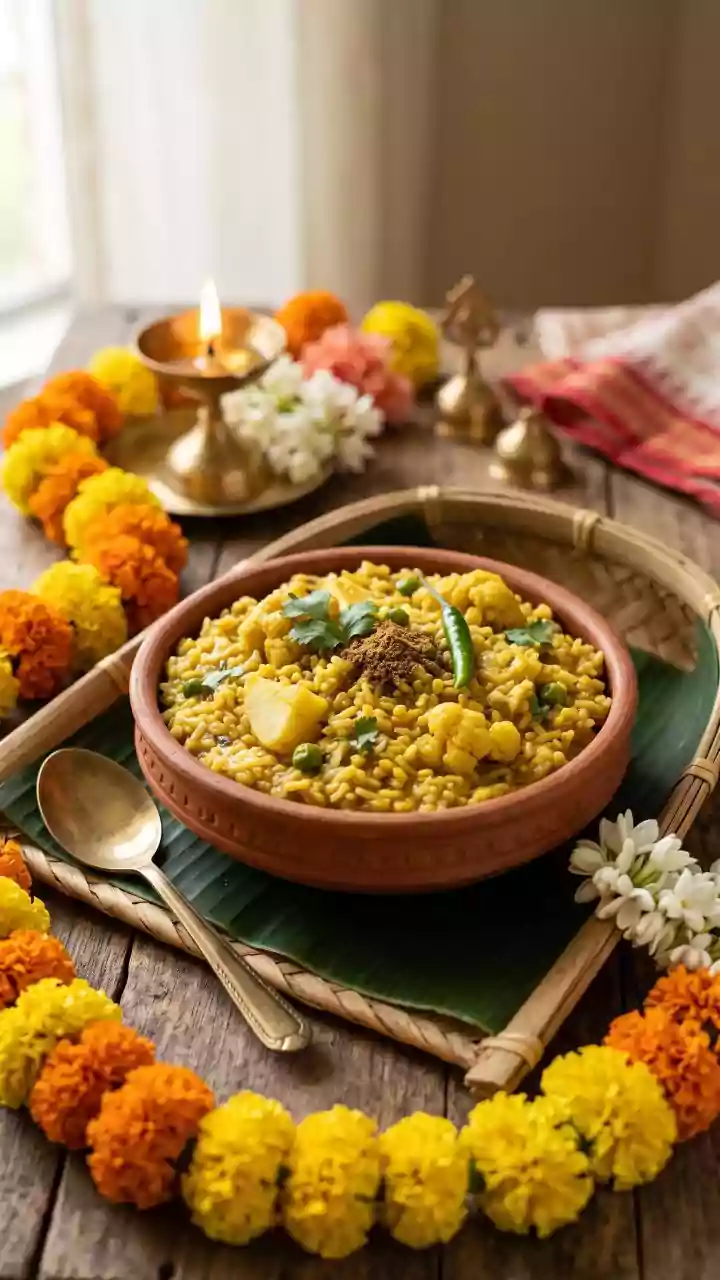
Accompaniments are crucial for tying the entire meal together. Don't limit yourself to just one type of bread or rice. Offer a selection to complement your diverse mains. Soft, fluffy naan or roti is perfect for scooping up rich North Indian curries. At the same time, a bowl of steamed rice is essential for South Indian preparations like Sambar or Rasam. To add another layer of fusion, consider including a regional rice speciality. A fragrant Jeera Rice is a simple addition that pairs well with almost anything, while a more elaborate Vegetable Biryani can stand as a centrepiece dish in its own right. For breads, you could introduce thepla from Gujarat or even Puran Poli from Maharashtra for a sweet and savoury surprise.
A Sweet and Splendid Finale
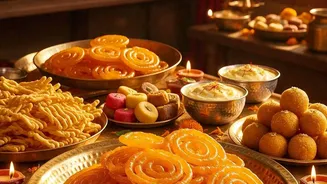
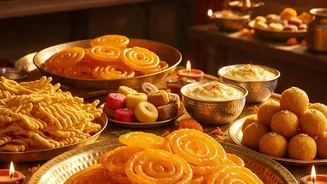
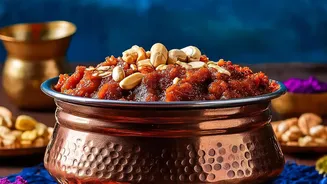
No Indian festive meal is complete without dessert. A fusion menu gives you the freedom to present a dazzling array of sweets from across the country. Instead of just one heavy dessert, offer a selection of two or three smaller portions with different profiles. Pair the warm, syrupy goodness of Gulab Jamun from the North with the delicate, spongy texture of Rasgulla from Bengal. For a unique addition, consider Chhena Poda from Odisha, a baked cheese dessert with a beautifully caramelised crust. A creamy Payasam from the South or a rich Shrikhand from Gujarat can provide a cooling contrast to the syrupy sweets. This 'mithai' platter becomes a final, delightful exploration of India's sweet traditions.
Principles of Perfect Pairing
Curating a successful fusion menu comes down to a few core principles. First, balance flavours—don't have too many spicy dishes or too many tangy ones. Contrast is key. Second, play with textures. Ensure you have a mix of crispy (pakoras), soft (dhokla), creamy (paneer curries), and hearty (lentil dishes) elements. Third, vary the cooking methods. A combination of fried, steamed, baked, and slow-cooked dishes makes the meal more interesting and easier to manage in the kitchen. Finally, think visually. A colourful spread with garnishes of fresh coriander, sliced tomatoes, and lemon wedges is always more appetizing.