





The Illusion of the Full Shelf
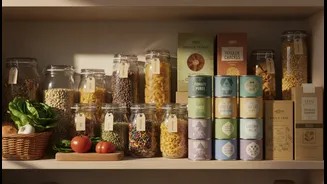
Many of us equate a well-stocked pantry with preparedness and comfort. We buy in bulk and fill every corner, creating a visual feast of abundance. However, this approach often leads to a static collection of goods rather than a dynamic food supply. Without
a system, items get pushed to the back, forgotten, and eventually expire. This isn't just a waste of food; it's a waste of money and the energy spent acquiring it. A pantry filled with expired or unusable items provides a false sense of security. It becomes a museum of past shopping trips instead of an active kitchen resource. The goal isn't just to have food, but to have food you can find, trust, and use in time.
The Core Principle: First-In, First-Out (FIFO)
The most effective way to manage a pantry is the 'First-In, First-Out' (FIFO) method. This is the same principle used by grocery stores and professional kitchens to ensure freshness and minimize waste. The concept is simple: use your oldest items before your newest ones. When you bring new groceries home, they should be placed at the back of the shelf, behind the items you already have. This ensures that the older products are always at the front, easy to see and grab. Adopting this single habit transforms your pantry from a cluttered storage space into an efficient, cost-effective system that keeps your food supply fresh and usable.
How to Start Your Pantry Rotation
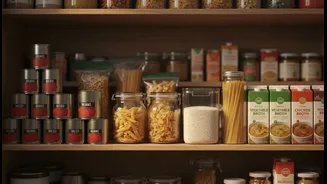
Implementing a rotation system begins with a reset. First, take everything out of your pantry. This allows you to see exactly what you have and clean the shelves. Group similar items together and check the 'best by' or expiration dates on every package, can, and jar. Discard anything that is clearly expired or shows signs of spoilage, like dented or bulging cans. This initial purge is crucial; you can't organize clutter. As you put items back, apply the FIFO principle. Place products with the soonest expiration dates at the front of each category and newer items behind them. It’s also helpful to use a marker to write the purchase date or expiration date in large, clear numbers on the top or front of items for easy visibility.
Systems to Make Rotation Effortless
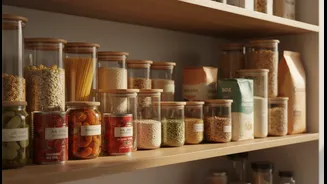
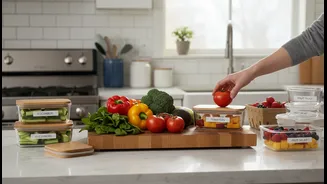
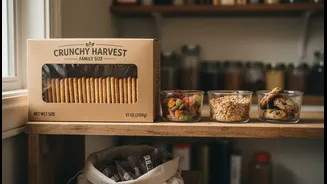
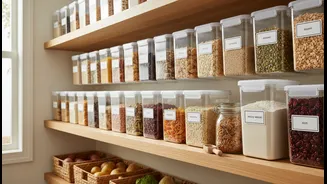
The best system is one you'll actually maintain. To make rotation feel natural, organize your pantry into clear zones or categories, such as 'canned vegetables,' 'grains,' and 'snacks.' Using clear, stackable containers for things like flour, rice, and pasta allows you to see quantities at a glance and keeps food fresher. For deep shelves where items can get lost, use bins or baskets that can be pulled out like drawers. Some people find success with dedicated can-rotating racks that automatically dispense the oldest can from the bottom. The key is to make the right choice the easy choice. If you have to unload half a shelf to get to the older food, the system will likely fail.
Maintaining Momentum and Reducing Waste
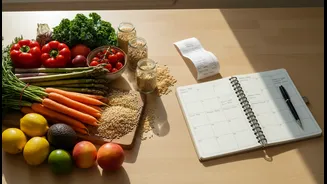
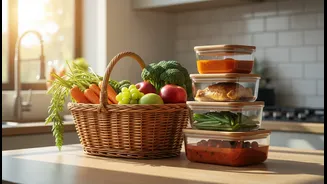
Once your system is in place, maintenance is simple. Get into the habit of putting new groceries away properly—always behind the old. Schedule a quick pantry check every month or so to catch items nearing their expiration date. Consider creating a 'use soon' basket on your counter for these items. This visual cue encourages you to incorporate them into your meal planning for the week. By actively cooking from your pantry, you integrate your food storage with your daily life. This practice not only keeps your inventory fresh but also sharpens your awareness of what you have, preventing duplicate purchases and ensuring the food you bought is enjoyed at its best quality.