
A New Window on Creation
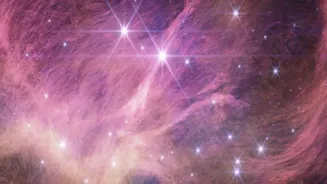
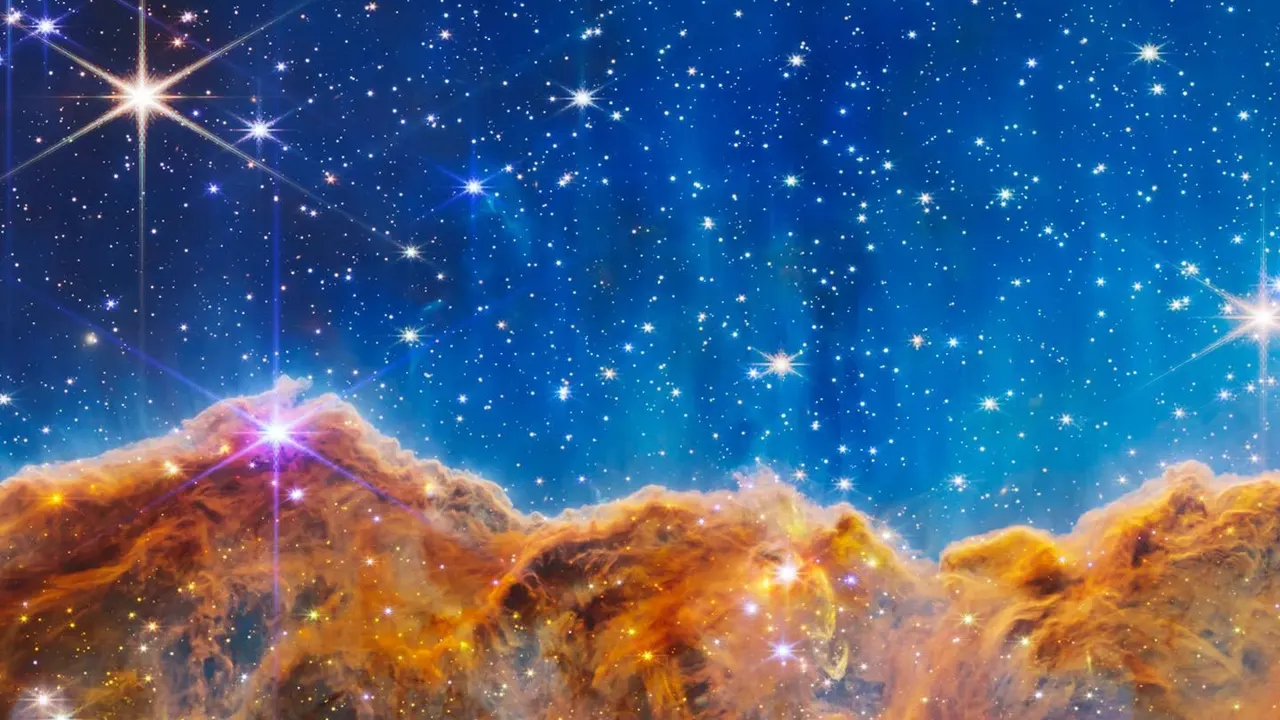
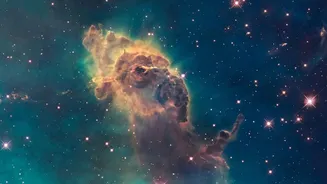
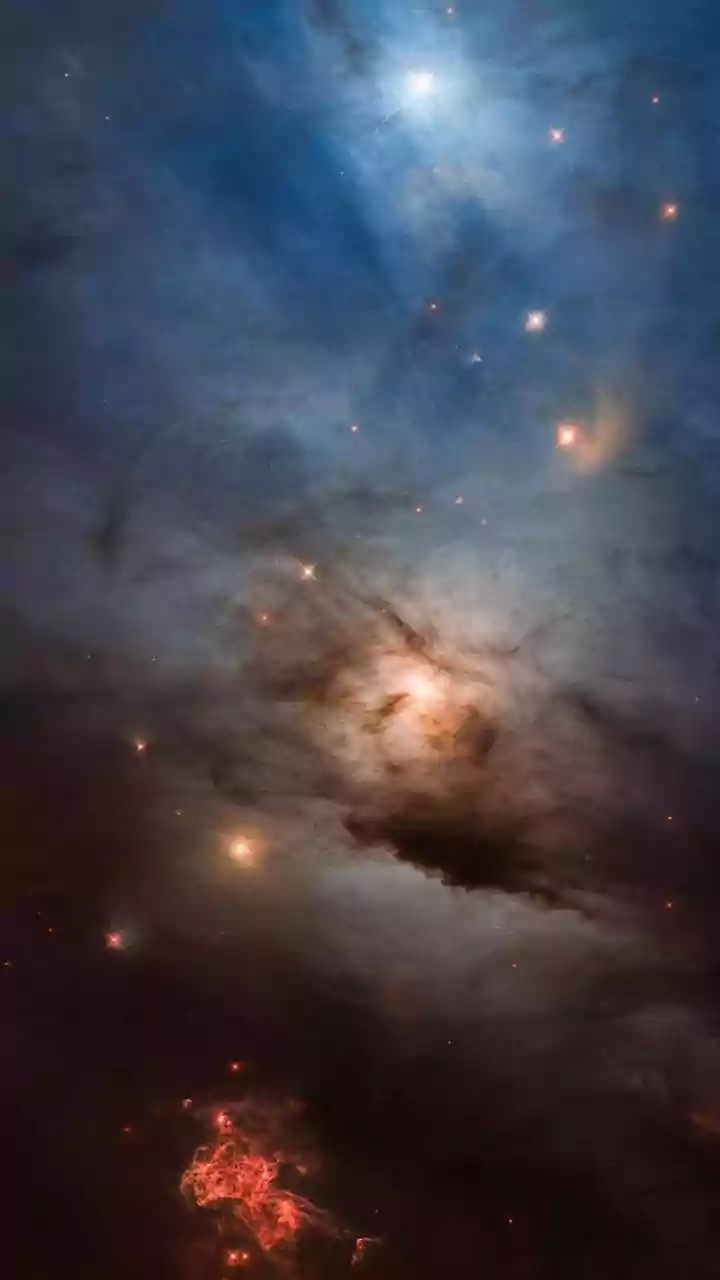
Among the most spectacular sights captured by the JWST is a vast, star-forming region within the Carina Nebula known as the 'Cosmic Cliffs'. Located roughly 7,600 light-years from Earth, this celestial landscape isn't made of rock, but of giant clouds
of gas and dust. What appears to be a range of craggy mountains stretching across a moonlit sky is actually the edge of a colossal, gaseous cavern carved out by intense radiation from young, massive stars. The tallest of these gaseous 'peaks' stand at an astonishing seven light-years high, providing a sense of the immense scale on which the universe operates. These images offer an unprecedented view into a process that was once largely hidden from us.
What Are Stellar Nurseries?
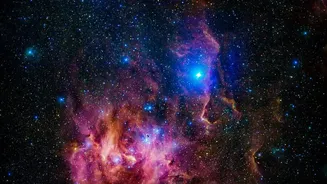
Stellar nurseries are exactly what they sound like: cosmic incubators for newborn stars. These regions are immense, turbulent clouds of molecular gas and dust. Over millions of years, dense pockets within these clouds collapse under their own gravity, heating up and eventually igniting to form protostars. The 'Cosmic Cliffs' provide a perfect illustration of this dynamic process. The intense ultraviolet radiation and powerful stellar winds from the cluster of young, hot stars located just out of frame are sculpting and eroding the nebula's wall. The 'steam' that appears to rise from the cliffs is actually hot, ionized gas and dust being stripped away by this relentless energy, showcasing a dramatic battle between creation and destruction.
The Power of Infrared Vision
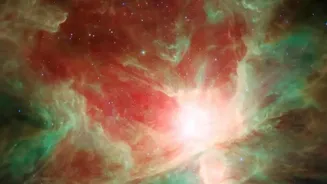
So why can the James Webb telescope see these stellar nurseries in such unprecedented detail? The answer lies in its ability to see in infrared light. Visible-light telescopes, like the Hubble Space Telescope, are often blocked by the thick veils of cosmic dust that enshroud these star-forming regions. But Webb's advanced infrared instruments, including its Near-Infrared Camera (NIRCam), can pierce through this obscurity. This allows astronomers to see what was previously invisible: the faint glow of newborn stars still cocooned in their dusty blankets and the powerful jets of material they spew out as they grow. It’s like having a superpower that lets you see through walls to witness the universe’s most secretive construction zones.
Unlocking the Secrets of Starbirth
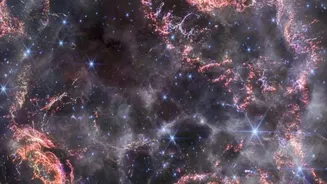
These are far more than just pretty pictures; they are rich datasets that are helping scientists answer fundamental questions about our universe. The early stages of star formation happen relatively quickly in cosmic terms—lasting perhaps 50,000 to 100,000 years—making them difficult to capture. Webb's sensitivity is finally allowing astronomers to chronicle this fleeting but crucial phase. For example, recent observations have revealed dozens of previously hidden jets and outflows from infant stars, which are vital ingredients in the star-formation process. By studying regions like the 'Treasure Chest'—a compact cluster of about 70 young stars within the Carina Nebula—scientists can better understand how different populations of stars are born and how they influence their surroundings. This knowledge helps refine our models of not just star formation, but galaxy evolution as a whole.
Why It Matters to Us
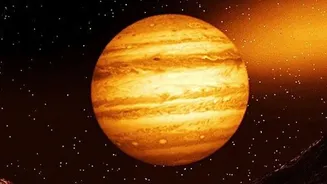
Studying these distant stellar nurseries brings the story of the cosmos closer to home. Every star, including our own Sun, was born in a region like the Carina Nebula. The planets of our solar system formed from the leftover disc of gas and dust that surrounded our infant star. Studies based on Webb's data are already revealing that the formation of giant planets like Jupiter is a race against time, as they must form before the star’s winds blow away the necessary gas. By observing these processes elsewhere in the galaxy, we are essentially looking at a cosmic photo album that shows us what our own cosmic neighborhood might have looked like billions of years ago. These images connect us directly to our origins, reminding us that the same elements forged in the hearts of distant stars make up our world and our bodies.