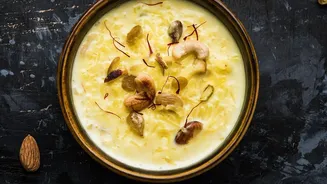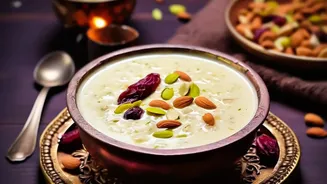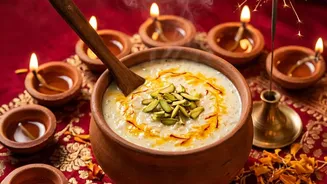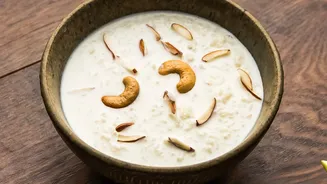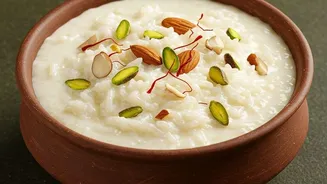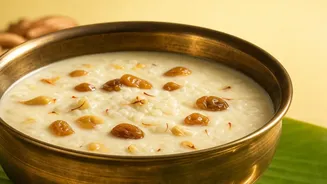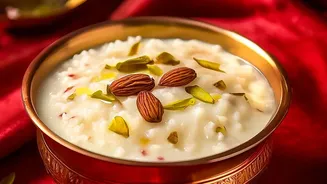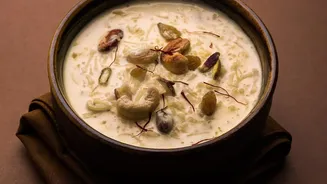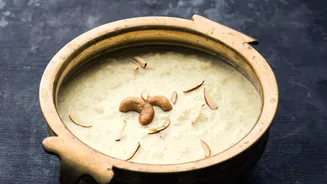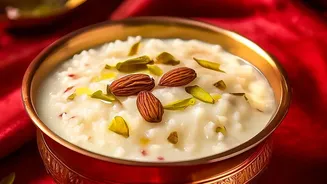


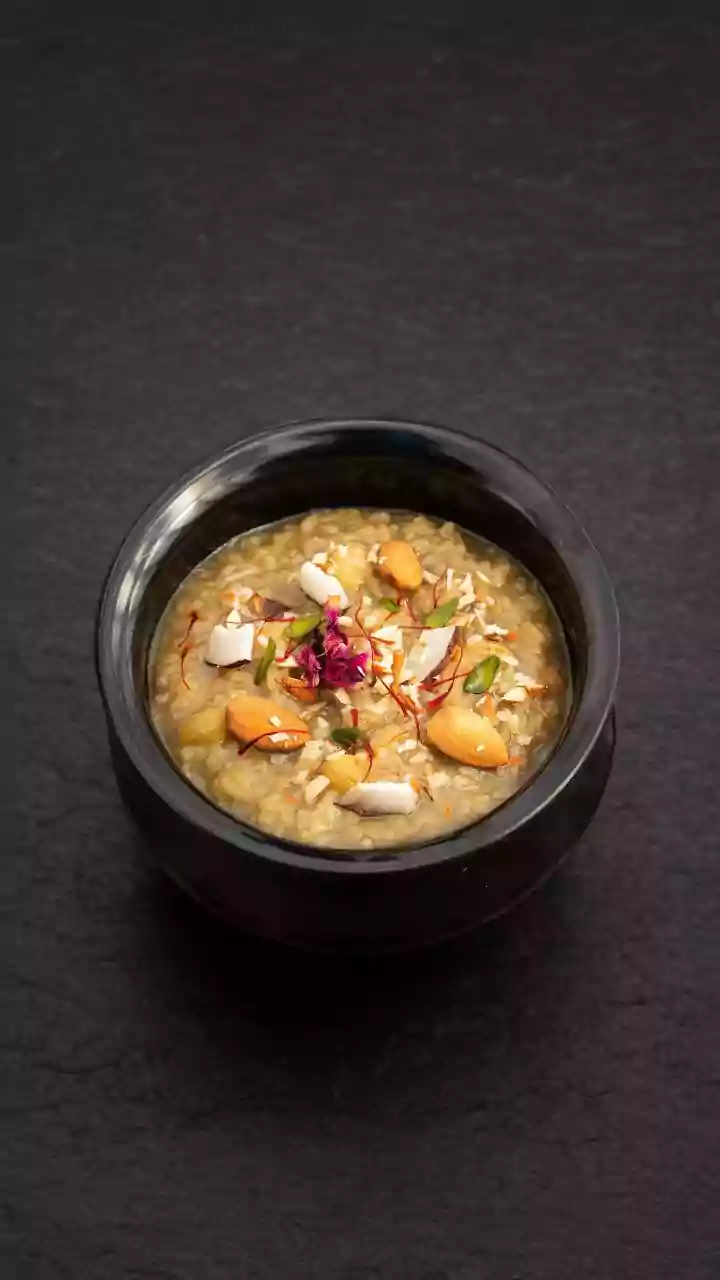
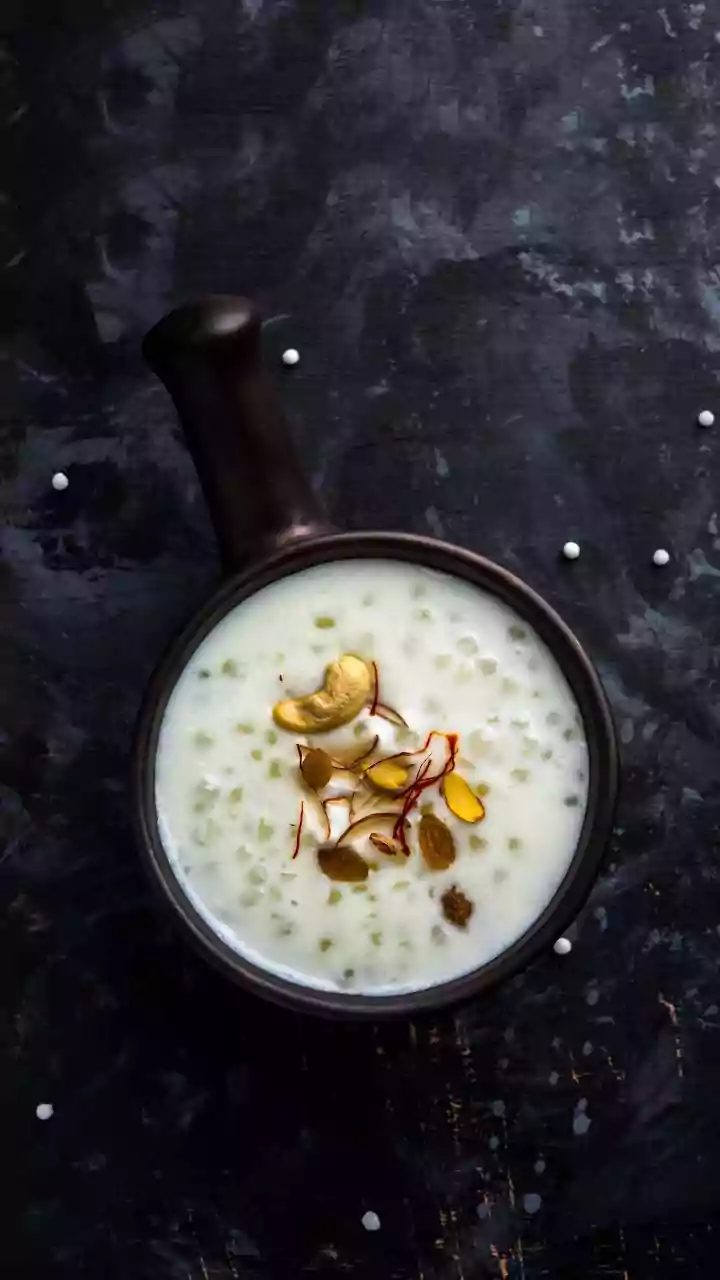
As winter arrives, so does the craving for warm, comforting sweets. Before refined sugar, Indian kitchens turned to natural sweeteners like sugarcane juice, the heart of a rustic and soulful dessert: Ganne ki Kheer.
A Sweet Harvest Tradition
Ganne ki Kheer, also known as 'Roh di
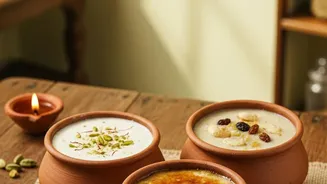
Kheer' in Punjab, is a cherished winter delicacy deeply connected to the harvest season. It's traditionally prepared during festivals like Lohri, Makar Sankranti, and Chhath Puja, which mark the time when sugarcane is freshly harvested and its juice is at its most flavourful. This dessert is a celebration of the season, transforming the humble sugarcane into a creamy, slow-cooked pudding. The practice evokes a sense of nostalgia for simpler times, when a pot simmering on a 'chulha' (traditional stove) was a source of warmth and festive joy. In some Punjabi traditions, the kheer is cooked on the evening of Lohri and eaten cold the next morning to celebrate Maghi.
The Unique Flavour of Sugarcane
What makes this kheer truly special is its reliance on 'ganne ka ras' (sugarcane juice) as the sole sweetener. Unlike desserts made with processed sugar or even jaggery, this kheer has a distinct, earthy flavour that is naturally sweet without being overwhelming. The slow simmering process concentrates the natural sugars in the juice, creating a rich, caramel-like undertone. Traditionally, sugarcane juice is also valued for its health properties. It is rich in electrolytes, antioxidants, and minerals like iron and magnesium, and is believed to help keep the body warm during the colder months.
The Heart of the Recipe
At its core, Sugarcane Kheer is a simple dish with just two main ingredients: fresh sugarcane juice and rice. The choice of rice is important; aromatic, short-grain varieties like Gobind Bhog or broken Basmati rice are often preferred as they cook down to a creamy consistency. The process begins with fresh sugarcane juice, which must be strained to remove any fibrous residue. Some recipes suggest boiling the juice first and skimming off any impurities that rise to the surface to ensure a cleaner taste and lighter colour. While the traditional recipe is beautifully minimalist, some variations include adding a splash of milk for extra creaminess or roasting nuts in ghee for a rich, crunchy garnish.
Mastering the Slow-Cook Method
Patience is the key to a perfect Ganne ki Kheer. The process is a labour of love that cannot be rushed. After cleaning the juice, soaked rice is added and the mixture is left to simmer on low heat. This slow cooking, which can take anywhere from 30 minutes to over an hour, allows the rice to absorb the sweet juice and soften completely, while the juice itself reduces and thickens into a luscious, pudding-like consistency. Constant stirring is necessary to prevent the kheer from sticking to the bottom of the pan. As the rice cooks, the kitchen fills with a uniquely sweet and earthy aroma. The kheer is ready when the rice grains are tender and have melded beautifully with the thickened, syrupy juice.
Finishing Touches and Serving
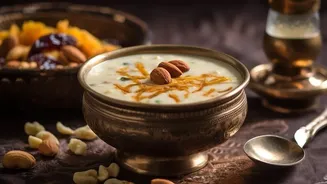
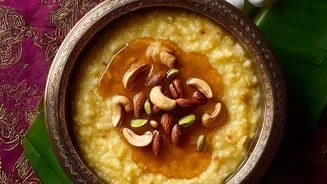
Once the kheer reaches the desired consistency, it is often finished with a pinch of cardamom powder to enhance its aromatic profile. Toasted nuts and dry fruits like almonds, cashews, and pistachios add a delightful textural contrast. Some recipes also mention adding a small amount of rock salt to balance the sweetness. This dessert can be served warm, fresh off the stove, offering a comforting embrace on a cold day. Alternatively, it can be chilled and served cold, which is how it is traditionally enjoyed in some households, particularly on the morning of Maghi. Whether hot or cold, it is a truly satisfying dish that captures the essence of winter.