



From Piety to Plated Perfection
For generations, vrat (fasting) food in India was defined by a simple, often restrictive, set of rules. The focus was on sattvic ingredients—foods that are pure, essential, and calming to the body and mind. While spiritually sound, this often translated
into a diet heavy on carbohydrates and fried items: sabudana (tapioca) vadas, kuttu (buckwheat) puris, and aloo jeera. These dishes, while delicious and comforting, could leave one feeling sluggish, defeating the purpose of a detoxifying fast. Enter the new-age culinary enthusiast. Armed with a deeper understanding of nutrition and a flair for global trends, a new generation is reimagining what it means to eat during a fast. The focus has shifted from mere sustenance to holistic nourishment. The modern vrat plate is no longer an apology; it’s a statement. It’s vibrant, textured, and thoughtfully composed—a feast for the eyes as much as the palate, and a clear signal that fasting and feasting can, in fact, go hand in hand.
The New Vrat Pantry
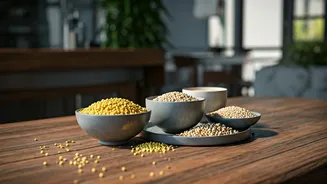
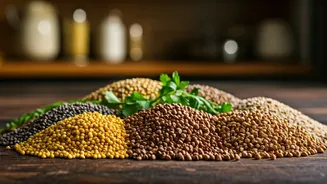
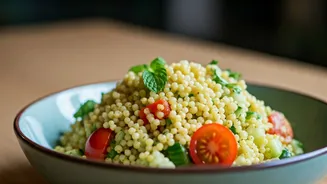
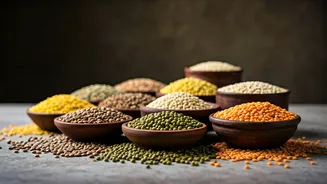
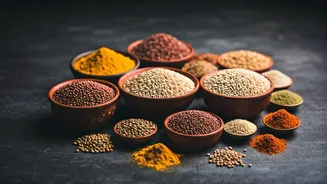
The secret to this delicious revolution lies in the pantry. Traditional vrat staples are being supplemented, and sometimes replaced, by a host of powerful, nutrient-dense ingredients. Ancient grains and millets are the undisputed heroes. Samak (barnyard millet) is being used to make fluffy idlis and dosas. Rajgira (amaranth) flour is turned into protein-rich pancakes and crepes, a far cry from the deep-fried puris of yesterday. Even quinoa, the South American superfood, has found a place on the vrat thali, celebrated for being a complete protein.
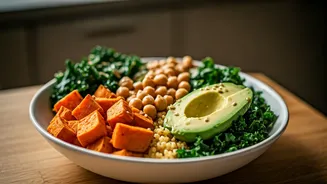
Sweet potatoes are replacing regular potatoes, offering more fibre and vitamins with a lower glycemic index. Nuts and seeds—almonds, walnuts, chia, and flax—are used generously to add crunch, healthy fats, and sustained energy. Natural sweeteners like dates, figs, and a sparing use of jaggery are ousting refined sugar. The result is a menu that’s not just permissible, but actively beneficial, helping to cleanse the body while keeping energy levels stable.
The Art of Healthy Cooking
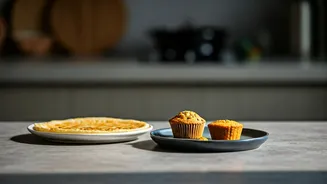
This transformation isn't just about ingredients; it’s about technique. The deep-fryer, once the workhorse of the vrat kitchen, is being politely retired. In its place, modern cooking methods are taking centre stage. The ubiquitous air fryer is now churning out crispy sabudana vadas and makhana (fox nuts) with a fraction of the oil. Baking is the new go-to for making everything from kuttu atta cookies to sweet potato tikkis. Steaming is used for creating light, fluffy dhoklas from fasting-friendly flours, and grilling brings a smoky char to panels of paneer and vegetable skewers.
This shift in method retains the textures we love—the crispness of a vada, the softness of a tikki—but strips away the excess fat and calories. It’s a culinary ‘flex’ that demonstrates an understanding of how to achieve flavour and satisfaction without resorting to the easy indulgence of deep-frying. The challenge is no longer what you can’t eat, but how creatively you can cook with what you can.
A Feast for the 'Gram
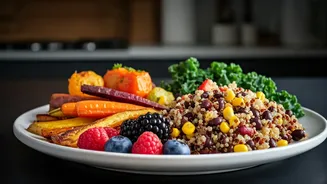
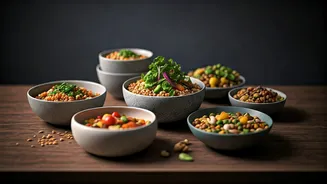
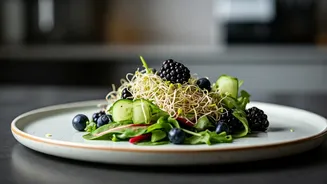
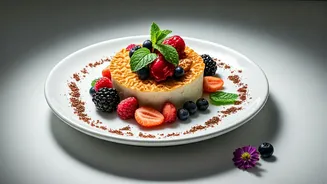
Let’s be honest: in 2024, if you didn’t post it, did you even cook it? The visual appeal of these new vrat plates is a huge part of their popularity. Social media feeds during Navratri or Shivratri are now flooded with beautifully styled images of colourful, appetising fasting meals. A bright green mint-coriander chutney, a pop of red from pomegranate seeds, a rainbow of fruits in a yogurt bowl—every element is placed with care. It’s a stark contrast to the homogenous beige and brown tones of traditional vrat food.
This is the “flex” the headline talks about. It's a way of sharing one's commitment to both tradition and modern wellness. Posting a picture of a vibrant millet salad or a perfectly baked sweet potato gratin is a declaration: “I am observing the fast, but I am also nourishing my body, respecting my health, and I have the culinary skills to make it look and taste amazing.” It’s a performance of identity, blending piety with a health-conscious, foodie persona.