






Why A Monsoon Safari?
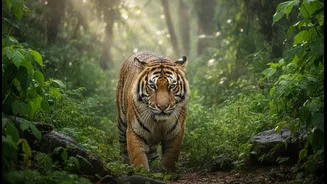
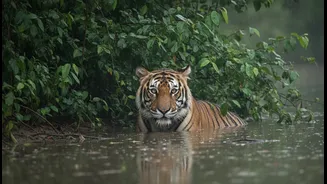
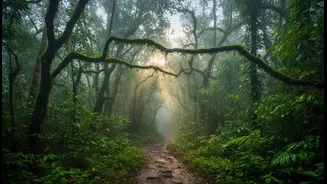
While many national parks close their core zones during the monsoon, the rainy season offers a unique and rewarding experience for those willing to venture out. The forests transform into lush, emerald landscapes, a dramatic backdrop for photography.
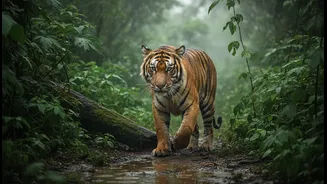
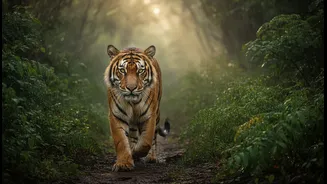
With fewer tourists, you get a more serene and personal encounter with nature. Animal behaviour also changes; tigers and leopards may use safari tracks more often to avoid the tall, wet grass, and the rain washes away old scent trails, prompting them to patrol their territories more actively. It's a chance to see the jungle in its most vibrant and dynamic state.
Choose Your Park Wisely
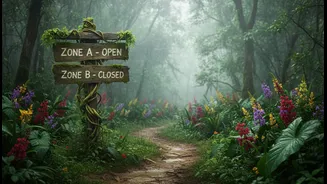
The key to a successful monsoon safari is knowing where to go. While many core areas are shut for breeding season and safety, numerous parks keep their buffer zones or specific circuits open. In Karnataka, parks like Nagarhole (Kabini) and Bandipur are famed for monsoon accessibility and sightings of elephants, leopards, and occasionally the elusive black panther. Kerala’s Periyar National Park is another excellent choice, offering unique boat safaris on the lake to spot elephant herds. In Central India, the buffer zones of Tadoba, Pench, and Satpura in Maharashtra and Madhya Pradesh remain open, providing opportunities to see tigers and sloth bears. Even parts of Rajasthan's Ranthambore (zones 6-10) stay accessible, presenting a different, greener side of the arid landscape.
Essential Rain-Ready Gear
Packing correctly is crucial for comfort and safety. Your clothing should be lightweight, breathable, and made of quick-drying synthetic fabrics. Avoid heavy materials like denim. Opt for neutral, earth-toned colours like khaki, olive, and brown to blend in with the surroundings. A reliable waterproof rain jacket with a hood and rain pants are non-negotiable. For footwear, choose waterproof trekking shoes with a good grip to handle slippery trails. A waterproof cover for your backpack and dry bags for electronics like cameras and phones are essential to protect them from moisture. Also, don't forget a potent insect repellent, as the monsoon is a prime time for mosquitoes and leeches.
Safety on the Trail
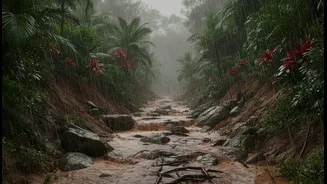
Monsoon travel comes with specific risks that require caution. Forest trails can become extremely slippery and unstable, increasing the risk of falls. Water crossings can be dangerous, as streams can swell unexpectedly. Always travel with an experienced guide and never attempt to cross fast-flowing water. Be aware of your surroundings, especially concerning insects and leeches. Wearing long trousers tucked into your socks can provide some protection. It’s also wise to book your safari permits well in advance, as the number of vehicles allowed may be reduced during this season. Always check the latest weather forecasts and park advisories before you set out, as conditions can change rapidly.
Embrace a Different Experience
A monsoon safari might not always yield the same number of big cat sightings as a dry season trip, but it offers other rewards. The season is a paradise for birdwatchers, with many resident and migratory species active. The lush flora, from blooming orchids to dense foliage, is a spectacle in itself. Photographers will appreciate the dramatic skies and soft, diffused light that make for stunning images. Beyond traditional jeep safaris, many parks like Periyar offer different ways to explore, such as boat safaris or bamboo rafting. Enjoy the journey, the revitalised ecosystem, and the peaceful atmosphere that comes with the rains.