





Start With the Right Green Friends
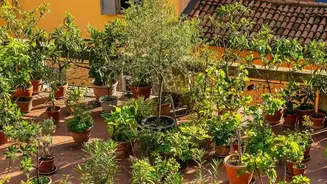
Before you worry about care, choose plants that are known to be forgiving and well-suited for Indian balconies. Starting with easy-to-care-for varieties builds confidence. For sunny spots, consider vibrant Bougainvillea, Hibiscus, or Marigolds. They thrive
in heat and reward you with beautiful blooms. For something you can use in the kitchen, herbs like Tulsi (Holy Basil), Mint (Pudina), and Curry Leaves (Kadi Patta) are excellent choices that grow well in pots. If your balcony is on the shadier side, or you want something for indoors near the balcony door, the resilient Money Plant and Snake Plant are practically foolproof and are also known for their air-purifying qualities. Starting small with a few of these hardy plants is a great way to begin your gardening journey.
Understanding Your Balcony's Light
Sunlight is a plant's food, and the biggest mistake beginners make is mismatching a plant's needs with their balcony's light. Before buying anything, become a light detective. Observe your balcony for a day. Where do the rays fall in the morning, at noon, and in the afternoon? An east-facing balcony gets gentle morning sun, which is great for many plants, while a west-facing one gets intense afternoon heat. A south-facing balcony often gets the most direct sun throughout the day, while a north-facing one is typically the shadiest. Remember that nearby buildings or the roof of your own balcony can create shadows, so observation is key.
Matching Plants to Sunlight
Once you know your light pattern, you can choose the right plants. A simple rule is that most flowering and vegetable plants, like tomatoes and chillies, need at least 4-6 hours of direct sunlight to thrive. Think of those sun-drenched south or west-facing spots. Leafy greens and many foliage plants prefer bright but indirect light, making them perfect for east-facing balconies or areas that get shade during the harsh afternoon. Plants like ferns, money plants, and some palms can tolerate lower light conditions found on north-facing or heavily shaded balconies. Grouping plants with similar light needs together not only looks good but also makes caring for them much easier.
The Simple Rule of Watering
The most common killer of container plants is not neglect, but too much love in the form of overwatering. Roots need oxygen, and constantly wet soil suffocates them, leading to root rot. So, forget a rigid 'water every day' schedule. The best way to know if your plant is thirsty is the 'finger test'. Stick your finger about an inch or two into the soil. If it feels dry, it's time to water. If it feels moist, wait another day and check again. The look of the soil can also be a clue; dry soil is often lighter in colour than wet soil. Over time, you'll get a feel for how often each plant needs a drink.
How to Water the Right Way
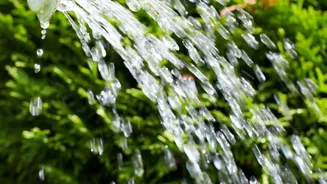
When you do water, do it thoroughly. The goal is to moisten the entire root ball. Pour water slowly and evenly until you see it running out of the drainage holes at the bottom of the pot. This ensures all the roots get access to moisture and also helps flush out any salt build-up from fertilisers. The best time to water is in the early morning, as this allows the plant to absorb the moisture before the heat of the day and reduces the risk of fungal diseases that can develop on wet leaves overnight. Keep in mind that smaller pots dry out faster than larger ones, and you'll need to water more frequently during hot, windy summer days.
Beyond the Basics: Soil and Pots
While light and water are crucial, two other elements set you up for success. First, always use pots with drainage holes. Without them, water has nowhere to go, and even the most careful watering will lead to root rot. Second, don't use heavy garden soil from the ground. It becomes too compacted in pots, choking the roots. Instead, use a lightweight, well-draining potting mix. These mixes, often containing cocopeat, compost, and perlite, are designed to hold moisture while still allowing air to reach the plant's roots, creating the perfect environment for a healthy balcony garden.