





The Trend of Seasonal Eating
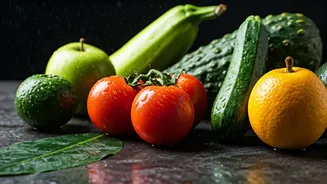
There's a growing awareness across India about the wisdom of eating locally and seasonally. This isn't a new concept; it's a return to traditional practices where diets naturally aligned with what was available. During the monsoon, this means embracing
a host of fruits and vegetables that are perfectly suited to the body's needs in this season of high humidity and increased risk of infections. Consumers are increasingly seeking out ingredients sourced directly from local farmers, leading to a resurgence of indigenous produce in everyday kitchens and even on restaurant menus. This shift is not just about nostalgia; it’s about recognizing that seasonal foods are often fresher, more nutritious, and better for our digestive health.
Jamun (Indian Blackberry)
This deep purple fruit is a quintessential monsoon delicacy. Traditionally eaten raw with a sprinkle of salt, jamun is now finding its way into juices, smoothies, and even desserts. It’s celebrated for its low glycemic index, making it a good choice for managing blood sugar levels. Jamun is also packed with Vitamin C and iron, which are crucial for boosting immunity and maintaining healthy haemoglobin levels, especially important during a season known for colds and flu. Its high fibre content aids digestion, helping to prevent common stomach issues that can arise during the rainy season.
Bhutta (Corn on the Cob)
The sight and smell of roasted bhutta are synonymous with the Indian monsoon. While traditionally enjoyed roasted over coals and seasoned with lemon and salt, corn is now a versatile ingredient in modern diets, appearing in salads, soups, and chaats. Corn is a good source of dietary fibre, which promotes a healthy gut and aids in digestion. It is also rich in essential nutrients like B-complex vitamins and antioxidants such as lutein and zeaxanthin, which are beneficial for eye health. Its high water content also helps with hydration during humid days.
Pointed Gourd (Parwal)
Parwal, a humble green vegetable, is a nutritional powerhouse that thrives during the monsoon. It is incredibly low in calories but rich in essential vitamins like A, B, and C, as well as minerals such as potassium and magnesium. Its high dietary fibre content is excellent for digestive health, preventing issues like constipation. Traditionally used in curries and stir-fries, this gourd is valued in Ayurveda for its ability to purify the blood and support liver function. The antioxidants in parwal also contribute to healthy skin and a stronger immune system, helping the body fight off seasonal infections.
Taro Root (Arbi)
Arbi, or taro root, is a starchy vegetable that is gaining recognition as a healthy alternative to potatoes. It is a great source of dietary fibre, which helps in managing blood sugar levels and promotes a feeling of fullness, aiding in weight management. Rich in nutrients like potassium, magnesium, and vitamins C and E, arbi supports heart health and boosts immunity. While traditionally used in sabzis and curries, creative cooks are now using it for baked chips and tikkis. Its complex carbohydrates provide sustained energy, making it an excellent addition to any meal during the sluggish monsoon months.
Bitter Gourd (Karela)
Often disliked for its strong flavour, bitter gourd is one of the healthiest vegetables of the monsoon. It is renowned for its blood-purifying properties and its ability to help regulate blood sugar. It thrives in the monsoon climate and is packed with Vitamin C and antioxidants that bolster the immune system. Modern kitchens are finding creative ways to make it more palatable, such as in crispy chips, juices, and stuffed preparations that balance its bitterness. Its digestive benefits are particularly valuable during the rainy season when gut health can be compromised.