





The Two-Speed Entertainment Diet
India's content consumption has split into two distinct, yet connected, speeds. The first is the rapid, snackable world of short-form video on platforms like Instagram Reels and YouTube Shorts. The second is the immersive, long-form experience of Over-the-Top
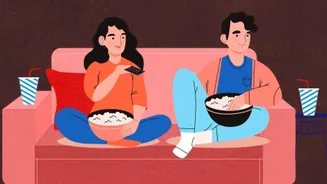
(OTT) platforms such as Netflix, JioCinema, and Amazon Prime Video. In 2026, these two modes are no longer competing but are part of a symbiotic relationship. Users dip into short videos for quick entertainment bursts during a commute or break, and then commit to hours of binge-watching a series discovered through those same short clips. This dual-format consumption is the new primetime, a personalised and fluid routine that fits the varied moments of a user's day. Reports indicate that short-form video has become a dominant force, with some studies showing daily usage surpassing even traditional television. This sets the stage for a powerful discovery engine.
Short-Form as the New Discovery Engine
The 30-second clip is the new movie trailer. Short-form video has become the primary tool for content discovery, especially among Gen Z and millennial audiences. Fan-made edits, viral dance challenges set to a show's theme song, or a creator's review can propel a movie or series into the cultural conversation. Platforms like YouTube explicitly leverage this, viewing Shorts not as a competitor to long-form content but as a gateway to it. A user might see a compelling scene from a new web series on Reels, and their next action is to search for the full show on an OTT service. This journey from passive scrolling to active viewing is reshaping marketing strategies, with media houses now seeing short-form platforms as essential for building buzz and driving traffic to their premium content. It’s a funnel that starts with a hook and ends with a subscription or hours of engagement.
The Psychology of the Scroll and Settle
This new routine is rooted in modern consumer psychology. The endless scroll of short-form video provides novelty and instant gratification, feeding the brain's desire for quick dopamine hits. The algorithmically tailored feed ensures a constant stream of engaging, personalized content. However, this 'snacking' doesn't always lead to deep satisfaction. That's where binge-watching comes in. Settling in with a long-form series offers an immersive narrative, emotional connection to characters, and a sense of completion that short-form content can't provide. This 'scroll and settle' behaviour allows viewers to get the best of both worlds: the thrill of discovery and the comfort of deep engagement. This habit is particularly pronounced during evenings and weekends, when families often watch content together.
How Platforms and Creators Are Adapting
The industry is rapidly evolving to capitalize on this trend. OTT platforms are integrating short, vertical clips and previews into their own interfaces to facilitate faster discovery. Meanwhile, social media platforms are making it easier to link out to full-length content. The Indian media and entertainment sector, which grew to nearly ₹2.8 trillion in 2025, is heavily driven by this digital convergence. Creators are at the heart of this ecosystem. They use short videos to build a community and establish authenticity. Once they have a loyal following, they can direct that audience to longer, more substantial content, whether it's a detailed YouTube review, a podcast, or their own web series. This strategy allows them to monetize their audience across different platforms and formats, creating a more resilient career path.
The Future Is Hybrid and Regional
This hybrid consumption model is here to stay. The lines between content discovery and consumption will continue to blur. We can expect even tighter integrations, with in-app links from a short clip leading directly to the corresponding moment in an OTT show. Another major driver is the rise of regional content. With the majority of India's internet users preferring content in their local language, the combination of regional-language short videos and OTT shows is a massive growth area. This trend allows content to reach previously underserved markets in Tier 2 and Tier 3 cities, creating a more inclusive and diverse media landscape. The future of entertainment in India isn't about choosing between short and long; it's about mastering the art of both.