








Find the Source of the Smell
Before you can eliminate the odour, you have to play detective. The musty smell is caused by gases released by mould and mildew as they grow, which thrive in damp, dark, and poorly ventilated areas. [9, 18] Your primary suspects are often basements, bathrooms,
laundry rooms, and closets. [1, 5, 20] Start by checking for obvious signs of water damage or leaks under sinks, around windows, and near appliances. [2, 10] Sometimes the source is less obvious, like a pile of damp towels, clothes put away before they were fully dry, or even a packed closet with no room for air to circulate. [11, 14] Empty the suspected area completely to get a clear look and sniff. This will help you determine if the smell is coming from the contents or the space itself. [11]
Eliminate Odours with a Deep Clean
Once you've found the culprit, it's time to clean. For fabrics like curtains, towels, or clothes that have absorbed a musty smell, a special laundry cycle is in order. Wash them on a hot setting, adding one cup of white vinegar to the wash cycle—don't worry, the vinegar smell will rinse out. [12, 15, 21] Follow this with a second wash using baking soda to neutralize any lingering odours. [15] For hard surfaces like walls and shelves, a solution of equal parts water and white vinegar is an effective natural cleaner that kills mould and mildew spores. [2, 12, 13] You can also leave bowls of baking soda or activated charcoal in the affected room; these are excellent natural absorbers of moisture and odours. [1, 3]
Control Moisture and Improve Airflow
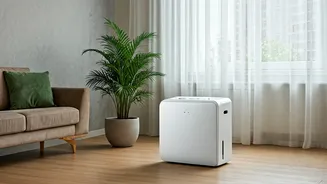
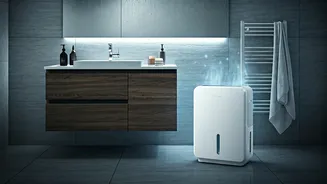
Cleaning is crucial, but the smell will return if you don’t address the underlying cause: moisture. [16] Improving ventilation is your most powerful tool. Open windows daily, even for just ten minutes, to let fresh air circulate and push stale, damp air out. [3, 7] Use exhaust fans in bathrooms and kitchens to expel moisture during and after use. [5, 17] In persistently damp areas like basements or crawl spaces, a dehumidifier is a worthy investment. [1, 10] Aim to keep your home's indoor humidity level between 30% and 50% to create an environment where mould and mildew can't thrive. [3, 13]
Reset Your Closets and Storage
Closets are notorious hotspots for musty smells because they are enclosed and often overstuffed, leading to poor air circulation. [9, 20] After cleaning, take steps to keep them fresh. First, never store clothes in the plastic bags from the dry cleaner, as they trap moisture. [9] Ensure every item is completely dry before hanging it up or putting it in a drawer. [11] To maintain good airflow, try not to pack clothes too tightly. [14] For an extra layer of protection, place moisture and odour absorbers like activated charcoal bags inside. [2, 16] Leaving the closet door ajar occasionally can also help promote ventilation. [14]
Focus on Long-Term Prevention
A true home reset means creating habits that prevent musty smells from coming back. Make regular cleaning a priority, paying special attention to areas prone to dampness. [17] Promptly repair any leaks from pipes, roofs, or foundations. [2] Regularly check and change the air filters in your HVAC system, as they can trap mould spores and dust. [5, 10] For a quick, natural air freshener, you can boil lemon peels on the stove and let the citrus-scented steam waft through your home. [4] By managing moisture, ensuring good airflow, and staying on top of cleaning, you can keep those unpleasant earthy odours from making a comeback. [17]