







A Strategic Shift Beyond the Metros
For years, brands followed a simple mantra: win Mumbai, Delhi, and Bengaluru, and you have won India. That thinking is now undergoing a major correction. The country's biggest cities are facing market saturation, high operating costs, and intense competition.
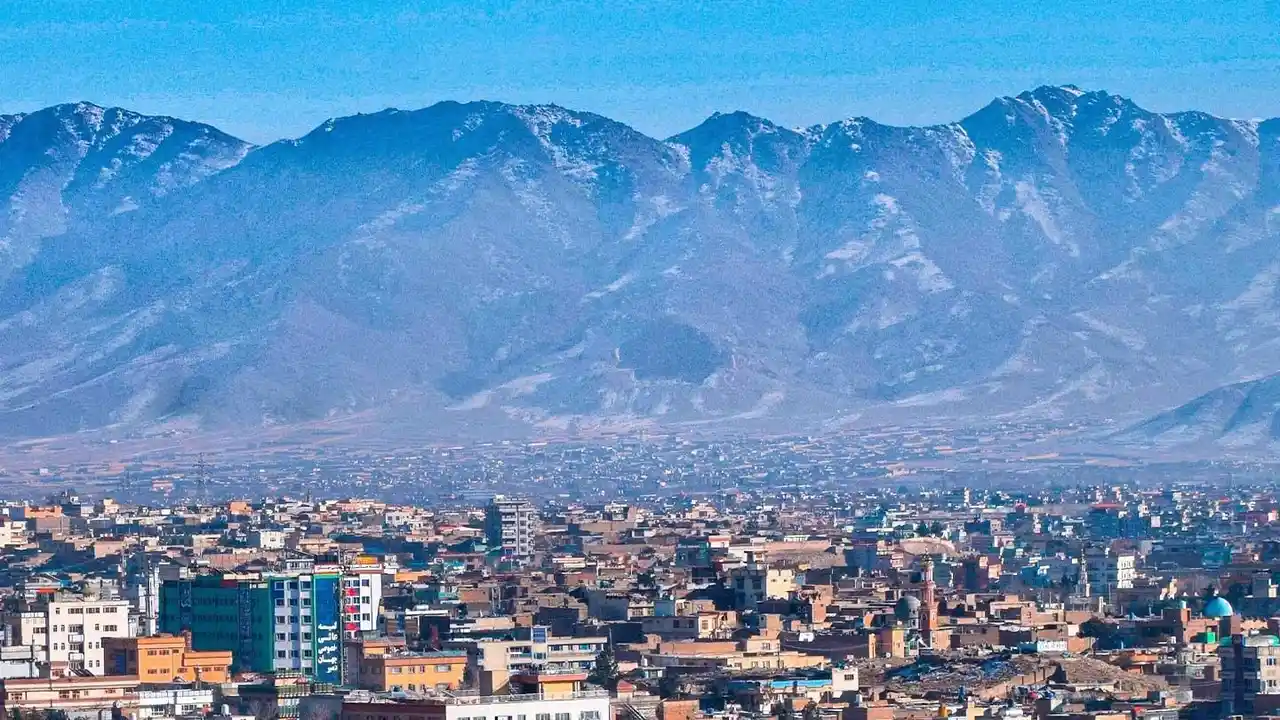
In response, businesses are looking at a new map of opportunity, where the postcodes of places like Surat, Bhopal, and Patna are circled in red. This isn't just about expansion; it's a fundamental strategic pivot towards where the next 100 million Indian consumers will come from. A recent report notes that nearly one in three urban Indians now resides in these smaller cities, making them one of the country's fastest-growing consumption markets.
The New, Aspiring Consumer
What is powering this shift? It's the rapid evolution of the consumer in 'Urban Bharat'. A surge in the affluent population, which has grown by 76% in the last six years in smaller cities, signals a dramatic rise in purchasing power. This new class of consumers is digitally savvy, well-informed, and aspirational, with appetites shaped by the same access to information as their metro counterparts. They are no longer just following trends set by the metros; they are creating their own. This has fueled demand for everything from premium FMCG products and branded apparel to luxury cars, which now see up to 25% of their demand coming from these markets.
Digital Connectivity and Infrastructure
The two great enablers of this trend have been infrastructure and the internet. Improved road networks, new airports, and expanding railway lines have made the physical distribution of goods to these cities more efficient than ever before. Simultaneously, the digital revolution, led by affordable smartphones and widespread 4G/5G access, has connected 'Bharat' to the national e-commerce grid. The result is striking: Tier-2 and Tier-3 cities now account for over 60% of all e-commerce orders in India. The Unified Payments Interface (UPI) has further democratized digital payments, empowering millions to transact online with ease.
How Brands are Adapting
Companies from FMCG giants to e-commerce leaders like Flipkart and Amazon are investing heavily to capture this growth. Success, however, requires a different playbook. Consumers in these cities often place higher trust in word-of-mouth recommendations and regional-language content. Brands are learning that localization is more than just translation; it involves using relatable faces, understanding regional festivals, and even leveraging channels like WhatsApp for marketing. For FMCG companies, this has meant rebalancing supply chains and focusing on smaller pack sizes to encourage trials, while retailers are using micro-market data to decide on store placement, sometimes analysing catchments as small as 500 metres.
The Road Ahead
Despite the immense opportunity, challenges remain. These markets are not homogenous; they have unique local preferences, and last-mile logistics can still be complex. However, the direction of travel is clear. The growth is not just about selling more; it's about a more inclusive and balanced national economy. While metros once absorbed the country's surplus labour and capital, smaller towns are now becoming logistics hubs, service centres, and crucial consumption markets in their own right. This trend signals a structural shift in India’s economic geography, moving the centre of gravity away from a few megacities and toward a more distributed and resilient model of growth.