



A Craving for Something Better
The Indian snack market is booming, but consumer priorities have shifted dramatically. With rising health consciousness, there's a growing demand for snacks that do more than just satisfy a craving. People want convenience without compromise. They're
scrutinizing labels, avoiding palm oil and refined flours, and actively seeking out options that are high in protein and fibre. This search for healthier, cleaner alternatives has created the perfect opportunity for a new category of snacks—one that finds its strength in the wisdom of the past. Traditional snacks, often dismissed as old-fashioned, are now being seen in a new light.
Rediscovering Kitchen Powerhouses
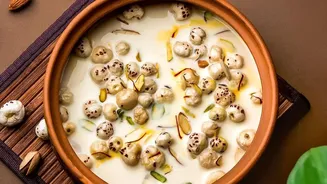
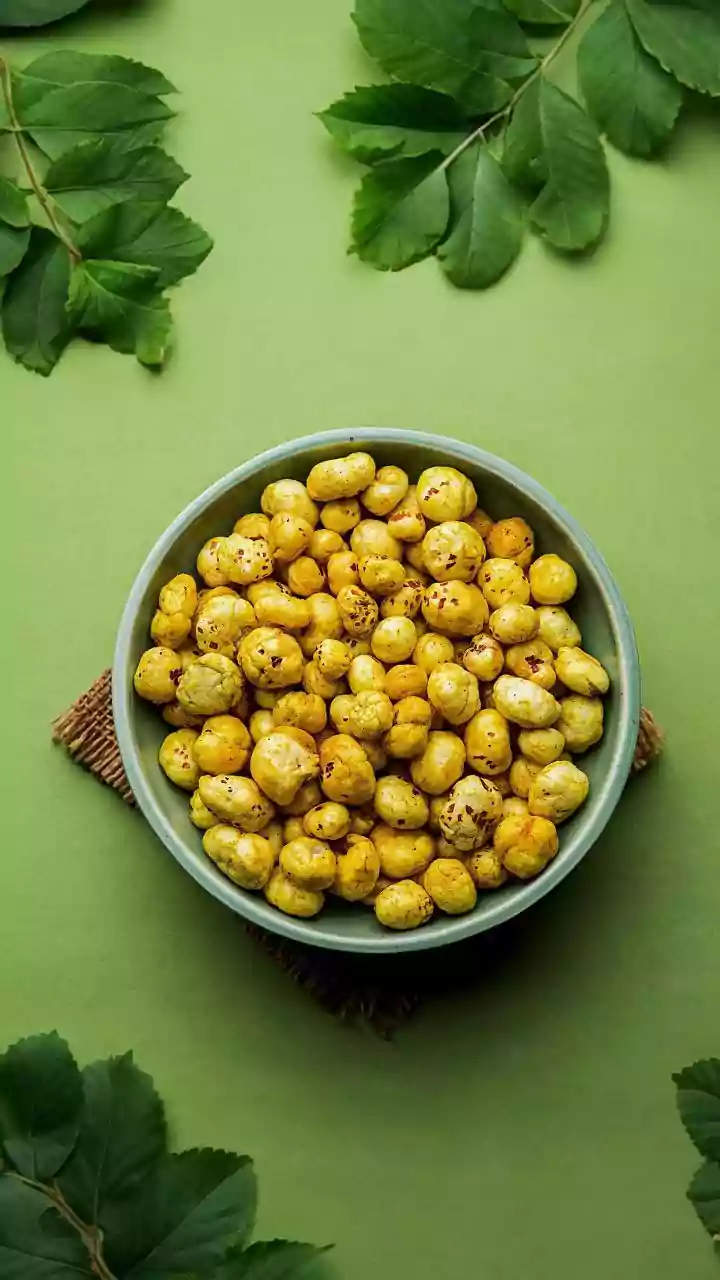
The stars of this movement are ingredients that have been staples in Indian kitchens for centuries. Take sattu, for example. This roasted Bengal gram flour from regions like Bihar and UP is a traditional powerhouse, packing around 20-25 grams of protein per 100 grams. Long consumed as a cooling summer drink or in parathas, its credentials as a natural, high-protein supplement are now being recognised by urban consumers. Similarly, makhana (fox nuts), once associated mainly with fasting, is now celebrated as a low-calorie, high-fibre, protein-rich snack. With about 9 grams of protein per 100g, it offers a satisfying crunch without the guilt of fried snacks. And we can't forget millets like jowar, bajra, and ragi, which are being hailed for their impressive nutritional profiles, including high protein and fibre content.
From Tradition to Trend
The genius of this new movement lies in innovation. Entrepreneurs and new-age brands are taking these humble, heritage ingredients and giving them a modern makeover. They are transforming sattu into convenient protein bars and instant drink mixes. Makhana is no longer just roasted with salt; it's being tossed in contemporary flavours like peri-peri and cheddar. Millets are being turned into everything from baked crackers and chips to energy bars and breakfast cereals. By using modern food processing techniques like roasting and extrusion instead of deep-frying, these brands are preserving the nutritional integrity of the ingredients while making them appealing to a contemporary palate. This fusion of old and new makes healthy eating feel less like a chore and more like a delicious discovery.
The Appeal of Authenticity
This trend is about more than just nutrition; it's also about trust and cultural connection. In a market flooded with complex international products and unpronounceable ingredients, there is a deep-seated comfort in the familiar. Consumers perceive these heritage ingredients as more authentic and trustworthy. There's a story behind sattu and makhana that you won't find on the back of a whey protein container. Eating these snacks connects people to their roots, offering a taste of nostalgia wrapped in a healthy, convenient package. It’s a powerful combination of looking back at what our grandparents ate while embracing the wellness goals of today.