







What is Food Fortification?
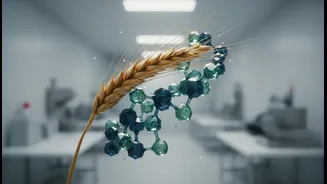
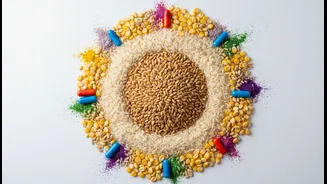
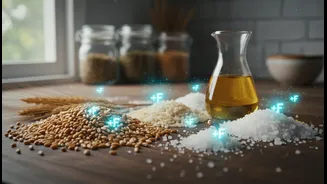
At its core, food fortification is the process of deliberately adding essential vitamins and minerals, such as iron, iodine, and various vitamins, to staple foods to improve their nutritional quality. The goal is to provide public health benefits with
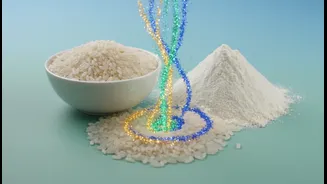
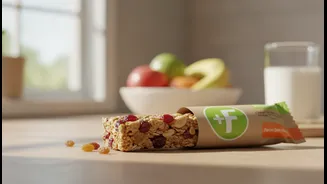
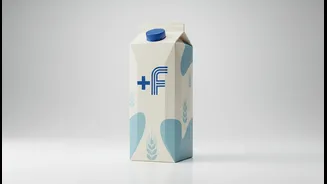
minimal risk. This isn't a new concept in India; the mandatory fortification of vanaspati oil with Vitamins A and D has been in place since 1953. Today, the Food Safety and Standards Authority of India (FSSAI) has standards for fortifying staples like salt with iodine, milk and oil with Vitamins A and D, and wheat flour and rice with iron, folic acid, and Vitamin B12. These products are identifiable by a '+F' logo on their packaging.
The Promise of a Healthier Nation
Proponents view fortification as a scientifically proven, cost-effective, and scalable way to combat micronutrient deficiencies that affect a vast portion of the population, especially women and children. With high rates of anaemia and other deficiencies, adding nutrients to foods people already consume daily, like rice distributed through the Public Distribution System (PDS), is seen as a powerful intervention. This strategy doesn't require people to change their dietary habits, making it a seamless way to deliver nutrition to millions. For instance, the government's push to distribute fortified rice through all its welfare schemes by 2024 aims to tackle anaemia and improve the nutritional intake for the most vulnerable.
Is Fortification a Magic Bullet?
Despite its promise, a growing number of scientists and nutrition experts are raising serious concerns. They argue that portraying fortification as a cure-all is dangerous and overlooks critical nuances. One major concern is the risk of 'hypervitaminosis'—or vitamin toxicity—from excessive intake, especially since this 'one-size-fits-all' approach doesn't distinguish between those who are deficient and those who are not. This is particularly risky for fat-soluble vitamins like A and D, which accumulate in the body. There are also specific health conditions, such as thalassemia and sickle cell anaemia, where consuming extra iron can be harmful.
The Debate Over Effectiveness and Diversity
Critics also question the fundamental premise that fortification is the ultimate fix for conditions like anaemia. Recent research suggests that not all anaemia is caused by iron deficiency, meaning iron-fortified rice may have little to no effect for a significant portion of anaemic individuals. Some studies even indicate that the prevalence of anaemia might be overdiagnosed in the first place. Furthermore, there's a significant worry that an over-reliance on fortified staples could suppress the importance of dietary diversity. Experts warn that promoting fortified rice as the primary solution could devalue naturally iron-rich foods like millets, local green leafy vegetables, and other diverse food sources that are crucial for a balanced diet.
Finding a Balanced Path Forward
The central challenge for India is not to abandon fortification, but to integrate it wisely into a broader public health strategy. The consensus among many experts is that fortification should be a complementary tool, not a replacement for a diverse and nutritious diet. The focus should be on creating a system where fortified staples serve as a safety net, while simultaneously promoting policies that improve access to fresh, local, and varied foods. This means investing in agriculture, nutrition education, and public health initiatives that address the root causes of malnutrition. Striking this balance is key to leveraging the benefits of fortification without falling into the trap of seeing it as a singular solution.