

The Power of Two
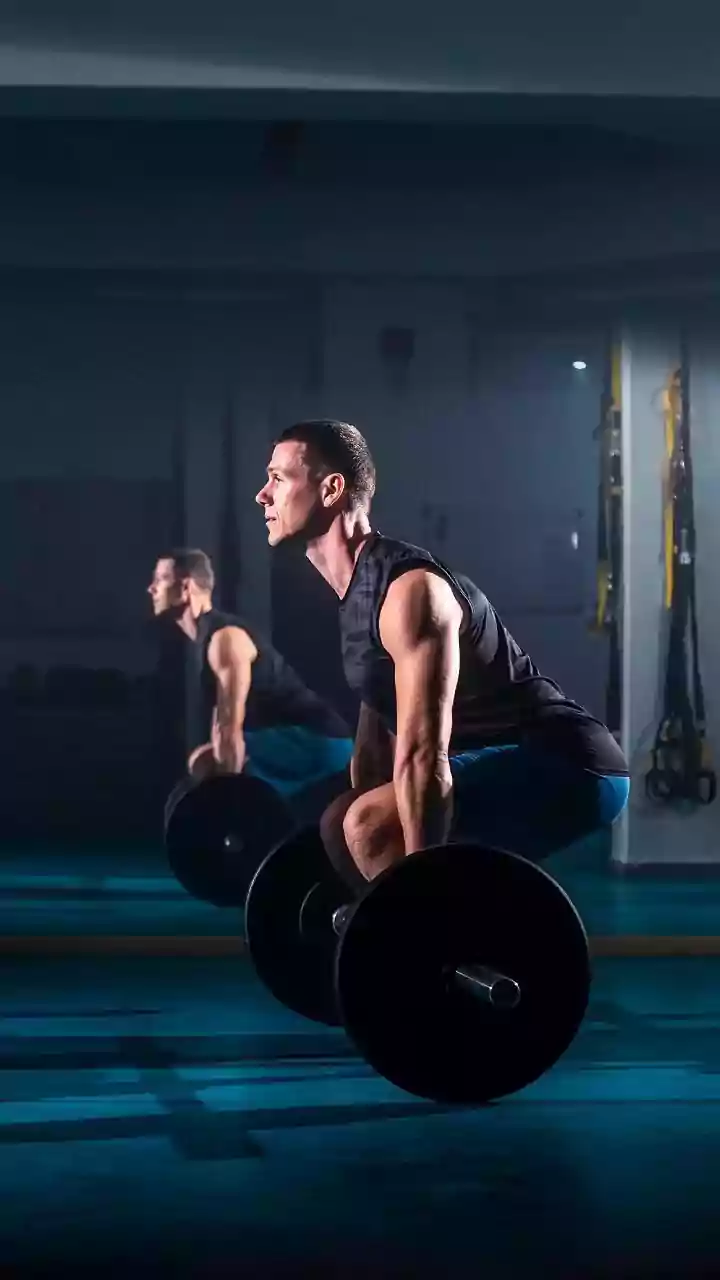
On the surface, calisthenics and yoga might seem like they belong to different worlds. Calisthenics is a form of strength training that uses your bodyweight for resistance, focusing on powerful movements like pushing, pulling, and squatting. Yoga, on the other
hand, is often associated with flexibility, balance, and a calm mind. The magic happens when you bring them together. This fusion addresses the common imbalance where some people are strong but stiff, while others are flexible but lack functional strength. By pairing the muscle-building benefits of calisthenics with the mobility and mental focus of yoga, you create a truly holistic routine that promotes a resilient, agile, and injury-resistant body. This combination enhances recovery, improves your range of motion, and builds mental endurance.
The Warm-Up: Yoga to Prepare
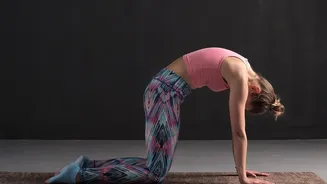
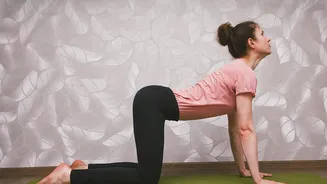
Before you jump into strength work, a dynamic yoga warm-up is essential to prepare your muscles and joints. This isn't about deep, passive stretching; it's about movement. The goal is to increase blood flow and lubricate the key joints used in calisthenics, especially the shoulders, hips, and wrists. A few rounds of Sun Salutations (Surya Namaskar) are perfect for this, as they create a flowing sequence that wakes up the entire body. Poses like Cat-Cow gently mobilize the spine, while a Downward Dog to Upward Dog flow opens the shoulders and chest. A few minutes of this mindful movement primes your body for the more intense work to come, reducing the risk of injury and improving your performance.
The Workout: Calisthenics for Strength
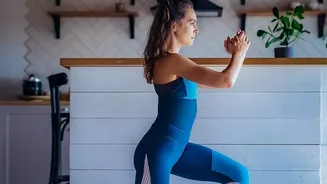
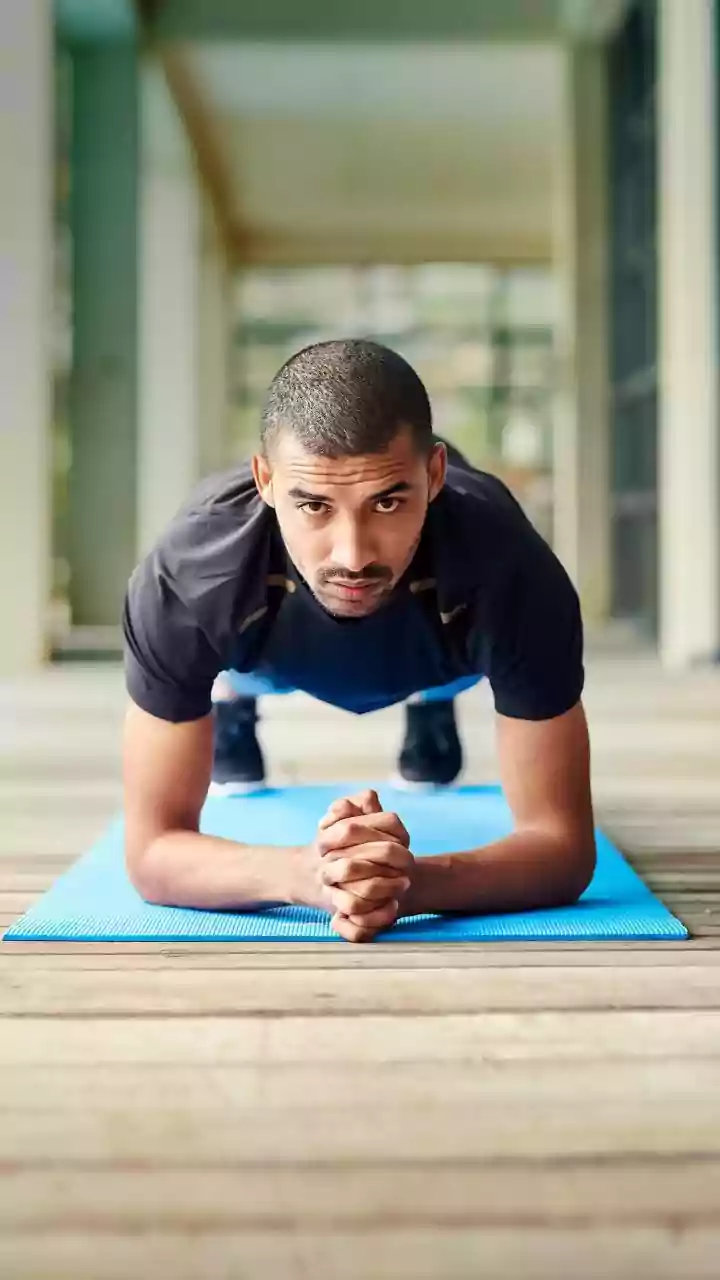
Calisthenics is all about mastering your own bodyweight. The beauty lies in its accessibility—you need minimal to no equipment, making it ideal for a home workout. A balanced routine should include fundamental movements. Start with push-ups to target your chest, shoulders, and triceps. If a standard push-up is too difficult, you can begin with them on your knees. Next, bodyweight squats are crucial for building lower body strength. Focus on keeping your chest up and sinking your hips back and down. For your core, the plank is a foundational exercise that builds stability. Finally, for your back and biceps, inverted rows (using a sturdy table or two chairs) are a great precursor to the pull-up. Aim for controlled repetitions, focusing on good form over quantity.
The Cool-Down: Yoga for Recovery
Your cool-down is just as important as your workout, and this is where restorative yoga truly shines. After your muscles have been worked, they are warm and pliable, making it the perfect time for gentle, static stretching. This practice helps reduce post-workout muscle soreness, calms the nervous system, and increases flexibility. Poses like Child’s Pose (Balasana) gently stretch the back and hips. A Seated Forward Fold (Paschimottanasana) is excellent for releasing tension in the hamstrings and lower back. For a deeply restorative finish, try Legs-Up-The-Wall (Viparita Karani), which promotes recovery and helps quiet the mind. Hold each of these passive poses for at least 30 to 60 seconds, focusing on deep, steady breathing to transition your body into a state of rest and digest.
Building Your Weekly Routine
Consistency is key, so create a schedule that works for you. A simple and effective approach is to perform your full-body calisthenics routine three days a week, such as on Monday, Wednesday, and Friday. On these days, use a 10-15 minute yoga sequence as your warm-up and another 10-15 minute restorative sequence as your cool-down. On your 'rest' days, like Tuesday and Thursday, you can engage in a longer, 30-45 minute gentle yoga flow. This serves as active recovery, improving mobility and helping your muscles repair without adding stress. This structure allows you to build strength progressively while ensuring your body remains flexible and recovers properly, leading to better long-term results.