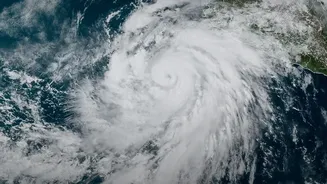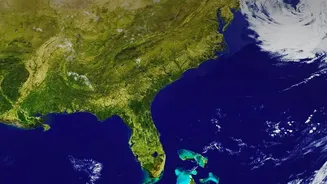





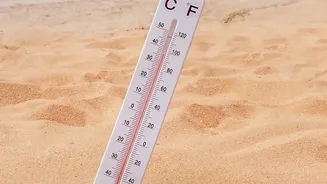
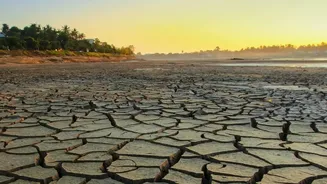
The climate phenomenon known as El Niño is strengthening, with global weather agencies confirming it is on track to be one of the most powerful on record. For India, this brings a complex mix of rainfall risks into sharp focus.
What is This 'Super' El Niño?
El Niño is a natural climate
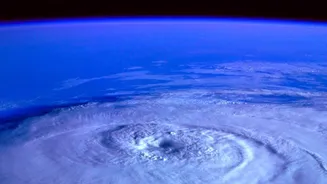
pattern marked by the unusual warming of surface waters in the central and eastern Pacific Ocean. This year's event is being classified as a 'super' El Niño because of the intensity of this warming, with sea surface temperatures reaching well above average. International bodies like the World Meteorological Organization (WMO) and the US National Oceanic and Atmospheric Administration (NOAA) have confirmed the event is strong and expected to persist into early 2027. This isn't just a minor temperature shift; this significant oceanic warming disrupts atmospheric circulation globally, altering weather patterns far and wide, including those that govern India's rainfall.
A Tale of Two Monsoons
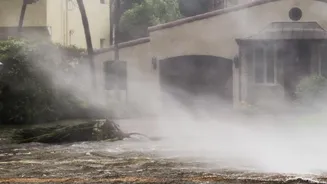
Historically, strong El Niño events are linked with weaker southwest monsoons (June-September), which provide about 70% of India's annual rain. This can lead to drier conditions and potential drought in many parts of the country. However, the impact is not that simple. The 'rainfall risk' is a paradox: while the overall volume of rain may decrease, El Niño can also lead to more extreme, erratic downpours in short bursts. This creates a dual threat of drought in some areas and intense, localised flooding in others. For instance, while much of the country saw a rainfall deficit during the 2026 southwest monsoon, some regions experienced devastating flash floods.
Winter Weather: A Complicated Forecast
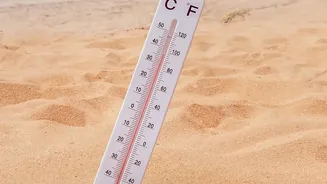
As India moves into the post-monsoon and winter season, the strengthening El Niño continues to shape the weather. A recent forecast for the winter months (November 2026 to February 2027) suggests a complex regional picture. The Hindu Kush Himalayan region, particularly northern India, could see above-normal snowfall and precipitation. While this might sound beneficial, it increases the risk of avalanches, flash floods, and landslides in vulnerable mountain communities. Conversely, other parts of the country, especially in southern and central India, may face drier and warmer than normal conditions, raising concerns about water reservoir levels, which are already low in some states, and the risk of forest fires.
Impact Beyond Just Rain
The consequences of these skewed rainfall patterns extend to every corner of the economy and daily life. Agriculture is on the front line. Deficient rainfall strains water resources for irrigation, impacting crop yields and farmer livelihoods. The 2026 southwest monsoon deficit has already left water storage in major reservoirs below capacity. Urban areas are not immune; intense downpours can overwhelm drainage systems, causing severe flooding as seen in Chennai during the 2015-16 El Niño. Furthermore, marine ecosystems are under stress from warming ocean waters in the Arabian Sea and Bay of Bengal, which can affect fish habitats and the fishing communities that depend on them.
Preparing for Uncertainty
Given the variable and potentially severe impacts, preparedness is key. The India Meteorological Department (IMD) continuously monitors the situation, issuing forecasts that help authorities and the public anticipate conditions. These outlooks are crucial for disaster management agencies to prepare for potential floods in one region and water scarcity in another. For individuals, staying informed about local weather advisories is critical. The El Niño effect is a reminder of the intricate and powerful forces that shape our climate, where the 'risk' is not just about one type of weather, but the increased frequency of extremes of all kinds.