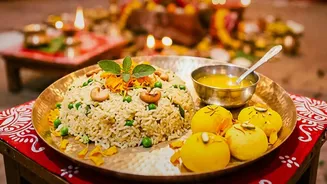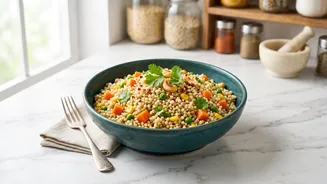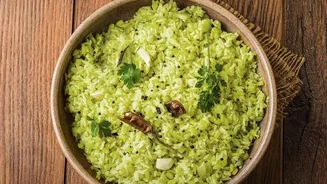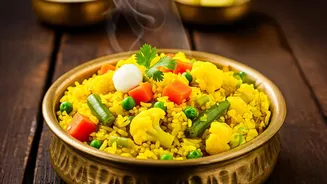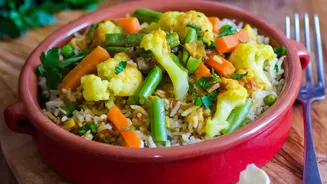





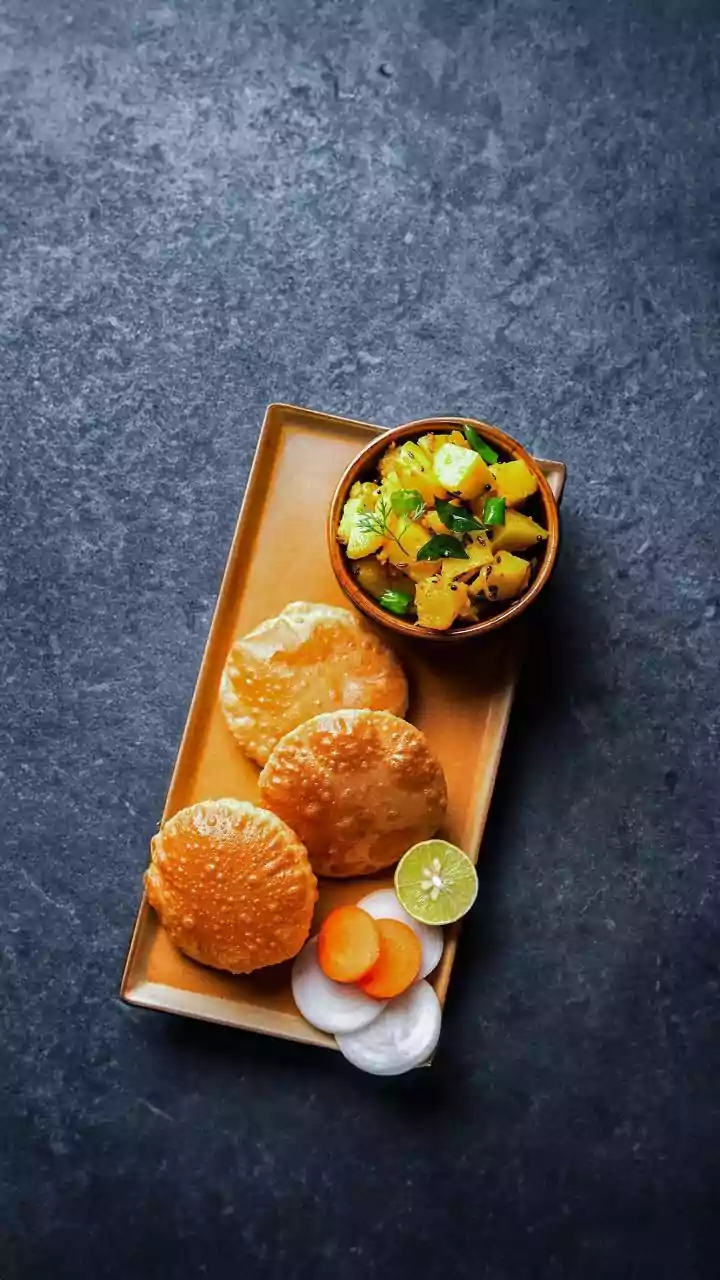
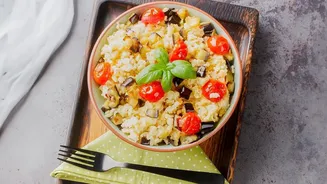
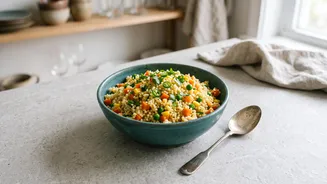
Vegetable millet pulao is a wholesome, one-pot meal that's both delicious and incredibly flexible. The real beauty of this dish lies not in a rigid recipe, but in your ability to adapt it to the vegetables you have on hand. Here’s how.
The Pulao Foundation
Before we get to
the vegetables, it's important to understand the base of any good millet pulao. This consists of three parts: the millet, the whole spices, and the aromatics. For the millet, varieties like foxtail, kodo, little, or barnyard millet work wonderfully as they can be cooked to a fluffy, rice-like consistency. It's generally recommended to rinse the millets thoroughly and soak them for at least 15-30 minutes, which helps them cook faster and more evenly. The flavour foundation comes from a 'tadka' or tempering of whole spices like cumin seeds, bay leaves, cinnamon, and cloves sizzled in ghee or oil. This is followed by aromatics like sliced onions, green chillies, and ginger-garlic paste, which are sautéed until fragrant. These elements create the consistent, aromatic base upon which you can build your vegetable variations.
A Guide to Your Millet
Not all millets behave the same way, but several are excellent for pulao. Foxtail millet is a popular choice and is often recommended as an easy starting point for those new to cooking with millets. Kodo and little millet are also fantastic rice substitutes in pulao and khichdi, holding their shape well when cooked. Barnyard millet cooks relatively quickly and has a mild flavour that readily absorbs the spices of the pulao. The key is a proper grain-to-water ratio, which is typically 1 cup of millet to 2 cups of water, though this can vary slightly by millet type. Cooking in a pressure cooker for one or two whistles or simmering on a stovetop until the water is absorbed are both effective methods.
Choosing Your Vegetables
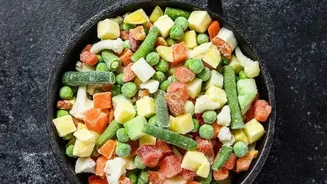
The secret to a great 'whatever's in the fridge' pulao is understanding how different vegetables cook. You can group them into three main categories. First are the hardy vegetables that need more cooking time, such as potatoes, carrots, and green beans. These should be added to the pot right after the onions and sautéed for a few minutes before you add the millet and water. Second are the softer, quick-cooking vegetables like green peas, sweet corn, and chopped capsicum. These can be added along with the hardy vegetables, but be mindful not to overcook them. The third category includes leafy greens like spinach or methi (fenugreek leaves), which wilt very quickly. These should be stirred in just a minute or two before you add the water to prevent them from becoming mushy.
Adapting to the Seasons
Using seasonal vegetables is not only cost-effective but also guarantees the best flavour and nutrition. In winter, Indian markets are full of perfect pulao ingredients like fresh green peas, bright orange carrots, cauliflower, and beans. These create a classic, hearty pulao. During the summer, you can opt for lighter vegetables like sweet corn, gourds (like ridge or bottle gourd), or even bell peppers. Though less common in pulao, small cubes of hydrating vegetables like bottle gourd can add a unique texture if added carefully. In the monsoon, you might find fresh corn and different varieties of beans. The goal is to let the market and the season guide your choices, creating a dish that tastes fresh and vibrant year-round.
Pro-'Tips' for Perfect Pulao
To ensure your millet pulao isn't sticky or mushy, a few simple tricks can make a big difference. After soaking, make sure to drain the millet well. Sautéing the drained millet in the pot with the vegetables and spices for a minute before adding water helps to toast the grains, enhancing their nutty flavour and keeping them separate. Once the pulao is cooked, whether in a pressure cooker or on the stovetop, it's crucial to let it rest, covered, for at least 5'-10 minutes. This allows the grains to absorb any remaining steam and firm up. After resting, use a fork to gently fluff the grains. This separates them without breaking them, giving you that perfect pulao texture every time.