


The Old Boom-and-Bust Cycle
For years, the narrative around festive eating has been one of extremes. It starts with weeks of 'being good'—skipping meals, avoiding favourite foods, and ramping up exercise to 'earn' the impending feast. Then, the festival arrives, and with it, a sense
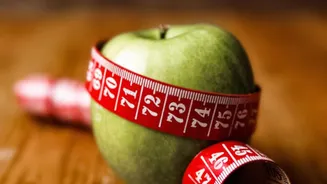
of permission to let go completely. This often leads to overeating, followed by feelings of guilt, bloating, and stress. This cycle is not only physically taxing, causing fluctuations in blood sugar and energy levels, but it's also mentally exhausting. The constant categorisation of food as 'good' or 'bad' creates a fraught relationship with eating, turning moments of celebration into sources of anxiety. Many find themselves so focused on food rules that they miss out on the actual joy and connection the holidays are meant to foster.
The Rise of Mindful Indulgence
A new, more balanced approach is gaining traction, often referred to as mindful or intuitive eating. This philosophy isn't about restriction; it's about awareness. It encourages you to tune into your body's natural hunger and fullness cues, even amidst a festive spread. Instead of forbidding certain foods, it invites you to savour them without guilt. The idea is to enjoy that piece of mithai or that extra serving of biryani by being fully present, paying attention to the taste, texture, and aroma. This helps you recognise when you are satisfied, not stuffed, making it easier to self-regulate without feeling deprived. It reframes indulgence from an act of rebellion to a conscious choice, allowing for pleasure without the subsequent guilt.
Why the Shift Is Happening Now
Several cultural currents are driving this change. Firstly, there is a widespread rejection of traditional diet culture. People are growing tired of its rigid rules and the negative self-talk it promotes. The focus is shifting from weight loss to holistic wellness, which includes mental and emotional health. Secondly, the rise of concepts like intuitive eating has empowered individuals to trust their bodies again. This evidence-based approach encourages making peace with food and moving away from the yo-yo dieting cycle. Younger generations, in particular, are leading this charge, valuing health, sustainability, and inclusivity in their food choices, which naturally extends to festive meals. Finally, there's a growing desire for sustainable habits—people want an approach to eating that works all year round, not just in the weeks before a festival.
What Balanced Festive Eating Looks Like
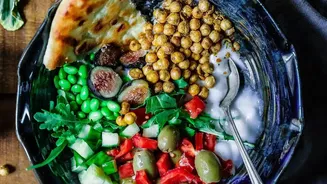
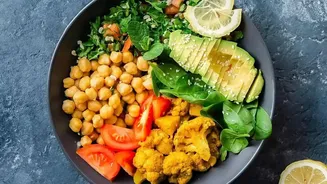
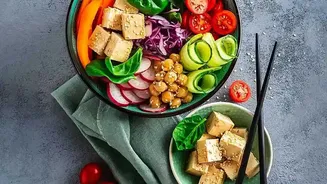
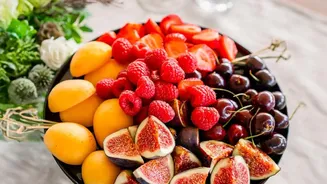
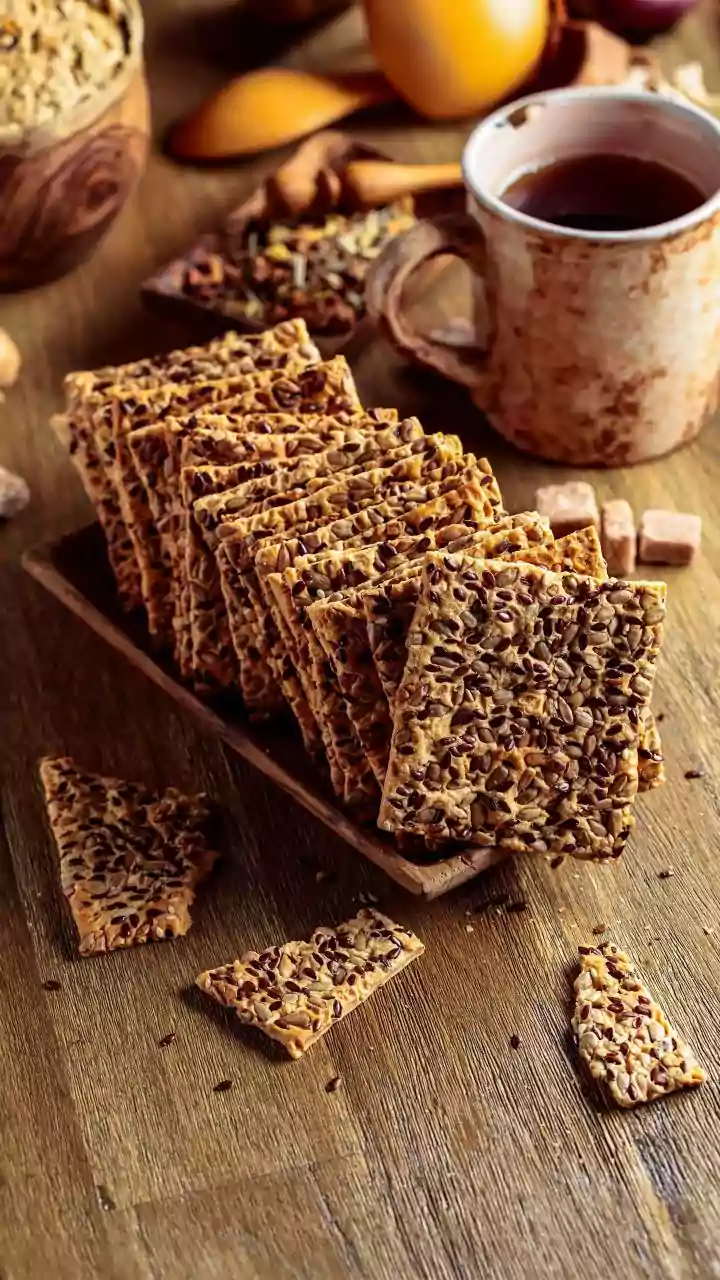
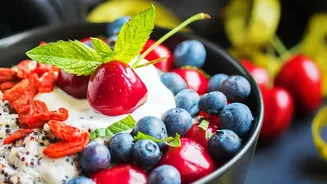
So, what does this new approach look like in practice? It means not skipping meals on the day of a big dinner to 'save calories,' as this often leads to overeating later. It’s about building a balanced plate, filling it with colourful vegetables, lean proteins, and fibre alongside the festive specialities. Hydration is also key; drinking water can prevent thirst from being mistaken for hunger. Crucially, it involves a mental shift. Instead of fixating on calories, the focus moves to the social connection and joy of sharing a meal. It's about giving yourself permission to enjoy special foods, knowing that one meal doesn't derail your overall health. If you do eat more than intended, the balanced approach is to be kind to yourself and return to your usual eating patterns at the next meal, without punishment or restriction.