

The Hidden Dangers in Festive Treats
During festival seasons like Diwali, the demand for traditional sweets and savouries skyrockets. To meet this surge, some commercial producers unfortunately resort to cutting corners, leading to adulteration and poor quality. Every year, food safety authorities
conduct raids and seize large quantities of unsafe products. Common adulterants include mixing starch, blotting paper, and even detergent into milk-based products like khoya (milk solids) to increase volume. Ghee may be mixed with cheaper hydrogenated vegetable oil, while the attractive silver foil (vark) on sweets can sometimes be toxic aluminium. Beyond deliberate adulteration, there are concerns about the sheer unhealthiness of many commercial snacks. They are often loaded with refined sugar and unhealthy fats, and deep-fried in oil that may be reheated multiple times, creating harmful trans fats. These factors contribute to health issues ranging from immediate digestive distress to long-term risks like heart disease and diabetes.
A Return to Tradition and Purity
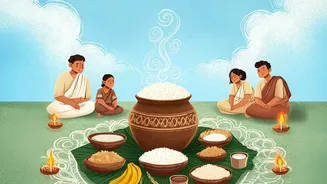
The move towards homemade delicacies is more than just a reaction to health scares; it's a reconnection with tradition and a desire for transparency. Preparing festival food at home brings families together, turning a chore into a cherished bonding activity. It revives family recipes passed down through generations, ensuring culinary heritage continues. This practice puts control back into the hands of the consumer. When you make sweets at home, you decide the quality and quantity of every ingredient. You can choose to use better quality ghee, reduce the amount of sugar, or substitute refined flour with healthier alternatives. This control guarantees not only safety but also a taste that is often superior to mass-produced equivalents. The aroma of freshly made laddoos or the crispness of a homemade mathri carries with it a sense of love and care that no commercial product can replicate.
How Busy Families Can Make It Work
The biggest hurdle for modern families is time. The idea of spending hours in the kitchen can seem daunting, but with smart planning, it's entirely achievable. Start by choosing simpler recipes; many delicious festive snacks don't require complex techniques. Look for '15-minute' or 'quick' recipes for items like moong dal kachori, nippattu, or spiced roasted chickpeas. Planning is crucial. Don't try to make everything on a single day. Many traditional snacks like chakli, mathri, and shankarpali have a long shelf life. You can prepare them a week or two in advance and store them in airtight containers. Spreading the preparation over several weekends makes the process manageable and less overwhelming. Modern kitchen gadgets can also be a huge help. Food processors can knead dough in minutes, and air fryers offer a healthier, less messy alternative to deep-frying for snacks like samosas and cutlets.
Involve Everyone and Share the Load
Making festive delicacies doesn't have to be a solo job. Turn it into a family activity by involving children in simple tasks like shaping laddoos, cutting dough for shankarpali, or mixing ingredients. This not only lightens the workload but also creates lasting memories and teaches children about their culture and traditions. Another great strategy is to share the load with extended family or friends. Instead of one household making ten different items, a group can decide to each make one or two specialities in a larger batch and then exchange them. This way, everyone gets to enjoy a wide variety of homemade treats without any single person being overburdened. This collaborative approach embodies the community spirit of festivals, where sharing joy and food is a central theme.