





Beyond the Beach Blanket
For many of us, summer travel is an instinct. We’re conditioned to seek out sunshine, chasing a postcard-perfect image of blue skies and warm waters. But this collective dash towards the equator often leads to crowded airports, overflowing beaches, and a relentless,
draining heat. The experience can feel less like a vacation and more like a competition. In this context, choosing a cold escape is a quiet act of rebellion. It’s a deliberate turn away from the expected, a choice to seek solace over stimulation. Instead of battling for a spot on the sand, you find yourself in vast, quiet landscapes where the only rush is the wind. This isn’t just about avoiding crowds; it’s about choosing a different state of mind. The focus shifts from external performance—the right swimwear, the perfect tan—to internal reflection.
A Necessary Shock to the Senses
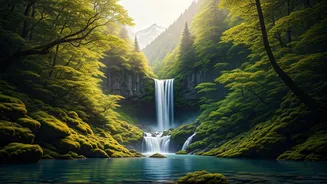
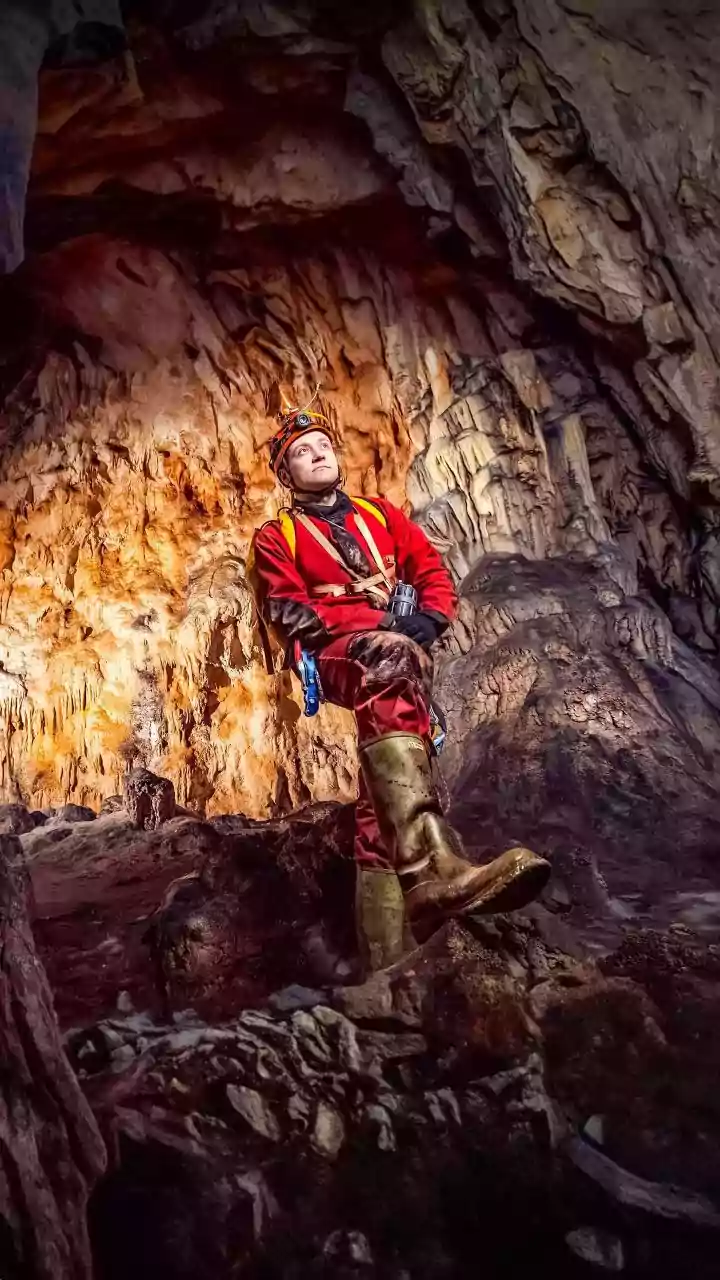
There’s a unique magic in stepping off a plane from a sweltering Indian summer into crisp, cool air. The first sharp intake of breath feels like a system reboot. Your body, accustomed to fighting off heat and humidity, suddenly relaxes. This sensory shock is powerful. The heat dulls our senses, but the cold sharpens them. You notice the crunch of gravel under your boots, the intricate patterns of frost on a window, the deep silence of a mountain valley. The simple act of pulling on a warm sweater or cupping a hot drink becomes a source of immense comfort and pleasure. Activities change, too. Instead of languidly lying by a pool, you’re hiking through misty forests, exploring quiet fjords, or simply walking through a city without breaking a sweat. This active engagement with your surroundings makes the experience more visceral and memorable. It forces you to be present in your body and in the moment.
Your Guide to the Great Cool-Down
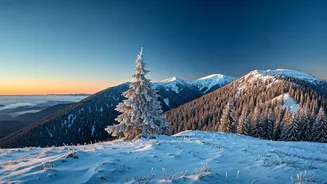
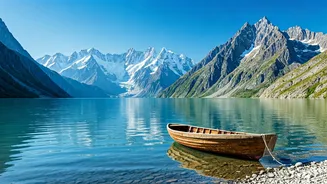
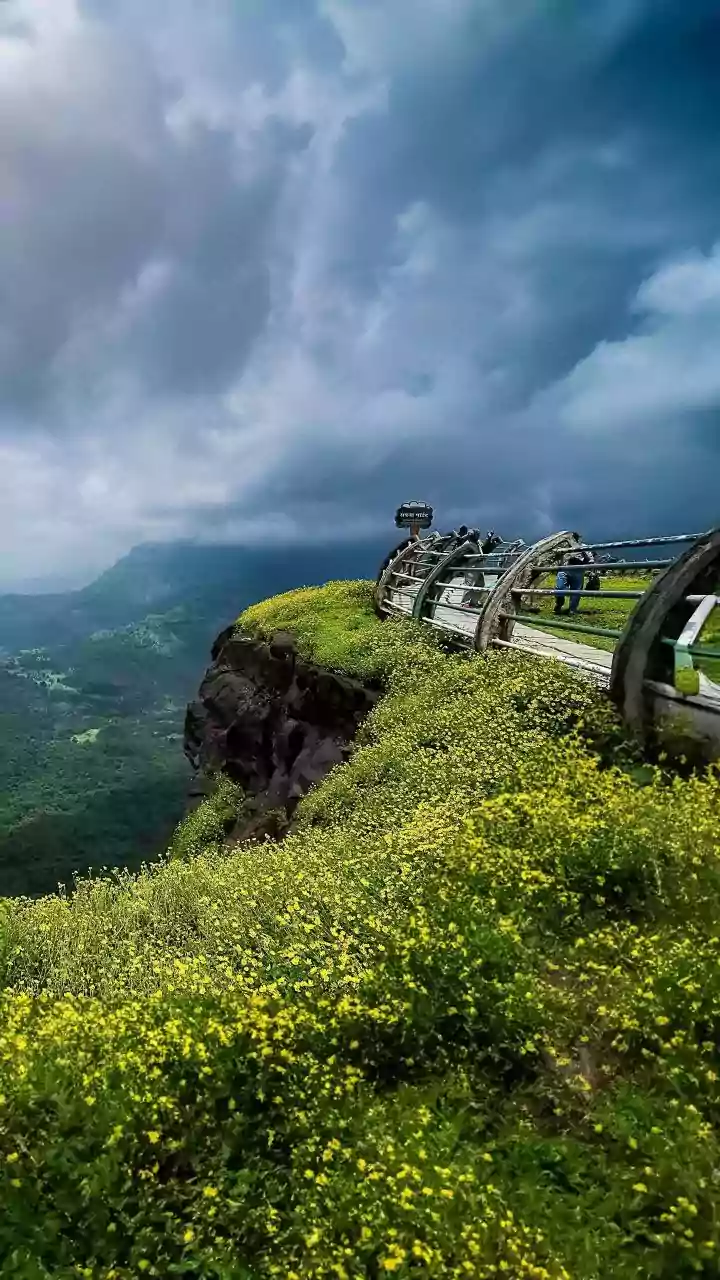
The beauty of a 'cool-cation' is its variety. You don’t need to go to the ends of the earth to find it. In India, the high-altitude deserts of Ladakh or the verdant, cloud-kissed hills of Spiti Valley in summer offer a stark, beautiful alternative to the plains. The air is thin, the skies are a piercing blue, and the scale of the landscape is humbling. Internationally, the options are endless. Consider the Scandinavian summer, where 'warm' means a pleasant 20°C. You can explore the dramatic fjords of Norway, hike Sweden’s Kungsleden trail under the midnight sun, or enjoy the cosy café culture of Copenhagen. Or, flip the seasons entirely. When it’s summer in the Northern Hemisphere, it’s winter in places like New Zealand or Argentina. Imagine skiing in the Andes or watching whales off the coast of Kaikoura while the rest of the world is sweltering. Each offers a unique flavour of cold, from the gentle chill of a European summer to the invigorating frost of a Southern Hemisphere winter.
The Human Pace of Cold Places
Ultimately, the appeal of a cold escape is about more than just the temperature. It’s about reconnecting with a slower, more deliberate pace of life. Cold climates often encourage a different rhythm. There’s a sense of cosiness and community—the Danish call it ‘hygge’—that comes from gathering indoors for warmth and conversation. The dramatic, often stark landscapes of colder regions invite introspection and awe rather than distraction. You’re less likely to be checking your phone when faced with a towering glacier or a sky full of stars unobstructed by city lights. This kind of travel doesn’t just help you escape the heat; it helps you escape the noise. It gives you the space to think, to breathe, and to reconnect with yourself. It reminds you that a vacation can be a time for quiet growth, not just loud leisure. It’s a journey that makes you feel less like a tourist and more like a person.