




Mastering Monsoon Watering
The single biggest mistake gardeners make during the monsoon is sticking to a summer watering schedule. With high humidity and frequent rain, soil stays wet for much longer. Overwatering is the leading cause of root rot, a fungal disease that suffocates
roots and can kill a plant quickly. The rule is simple: check before you water. Poke your finger about two inches into the soil. If it feels damp, do not water. For plants directly exposed to rain, you may not need to water them manually at all. Instead, your focus should shift from watering to ensuring proper drainage.
Prioritise Excellent Drainage
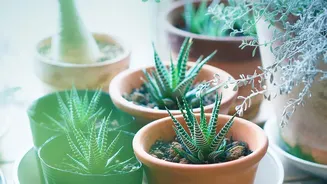
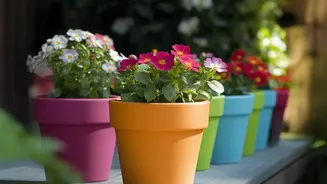
Good drainage is the foundation of healthy monsoon gardening. When roots sit in waterlogged soil, they are deprived of oxygen, leading to rot. Ensure every pot has clear drainage holes. If holes are blocked, clear them immediately. A simple but highly effective trick is to elevate your pots using bricks, stands, or 'pot feet'. This allows excess water to escape freely and improves air circulation around the base. It is also crucial to empty the saucers or trays beneath your pots after heavy rain, as standing water is a major contributor to root problems. Using a well-draining potting mix containing cocopeat, compost, and perlite or sand can also make a significant difference.
Prune for Health and Airflow
Strategic pruning before or during the early monsoon can dramatically improve plant health. Removing dead, diseased, or overcrowded branches increases air circulation, which is vital for preventing fungal infections that thrive in damp, stagnant conditions. Better airflow helps leaves dry faster after a shower, reducing the risk of diseases like powdery mildew. Focus on thinning dense growth rather than heavy cutting. This allows more light to penetrate the inner parts of the plant and reduces the physical weight on stems, making them less likely to break during strong winds and rain. Always use clean, sharp shears to make clean cuts.
Combat Pests and Fungal Diseases
High humidity is an open invitation for pests and fungi. Slugs, snails, aphids, and mealybugs multiply rapidly in the moist environment. Fungal issues like leaf spot, powdery mildew, and anthracnose are also common. Regular inspection is your best defence. Check the undersides of leaves and stems for any signs of trouble. To prevent issues, you can proactively spray a diluted solution of neem oil, which acts as an organic fungicide and pesticide. If you spot any diseased leaves, remove them immediately to prevent the infection from spreading.
Adjust Your Fertilising Schedule
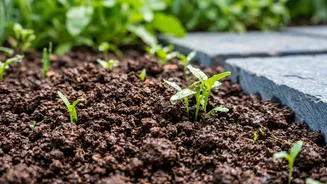
Heavy rains can wash away essential nutrients from the soil, a process known as leaching. However, you should avoid fertilising heavily during this period. Applying fertiliser to already waterlogged soil can burn the roots and cause more harm than good. The best approach is to wait for a dry spell between rains to feed your plants. Opt for slow-release organic fertilisers like vermicompost or a light application of a balanced liquid fertiliser. These are absorbed more efficiently and are less likely to be washed away completely. If topsoil has visibly eroded, you can add a thin layer of fresh compost to replenish lost nutrients.
Provide Shelter and Support
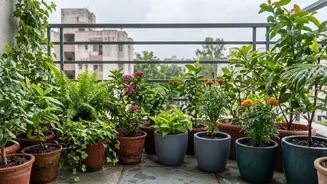
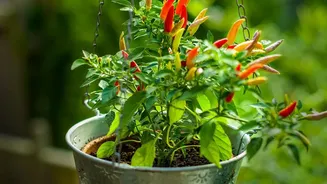
While many plants love the rain, intense downpours and strong winds can cause physical damage. Delicate flowering plants or those with weak stems can be particularly vulnerable. If possible, move sensitive potted plants to a sheltered location like a covered balcony or porch during heavy storms. For taller plants that cannot be moved, provide support by tying them to bamboo stakes to prevent them from breaking. This small step can save you from finding your beloved plants battered after a rough monsoon night.