

Understanding Why Pressure Backfires
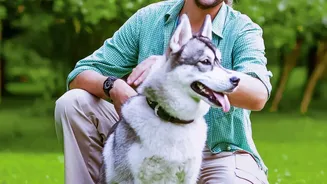
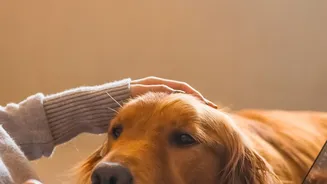
Many pets, especially those with anxious temperaments or a history of stress, don't always interpret physical touch as a reward. For them, a sudden pat on the head, a hug, or even direct eye contact can feel invasive and stressful. This pressure can inadvertently
punish the calm state you wanted to reinforce, teaching them that relaxing leads to unwanted interactions. Learning to recognize signs of stress is crucial. In dogs, this can include lip licking, yawning when not tired, averting their eyes, or showing the whites of their eyes. Cats might display a twitching tail, flattened ears, or suddenly start grooming themselves. When a pet displays these 'calming signals', they are communicating discomfort. Forcing interaction at this stage can damage trust and make them less likely to relax in your presence.
The Art of Capturing Calmness
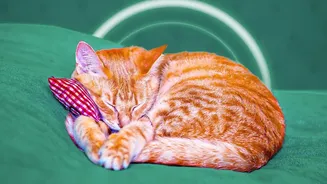
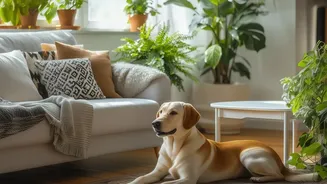
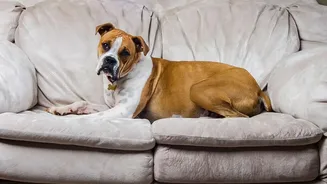
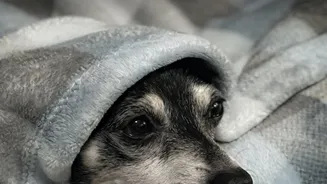
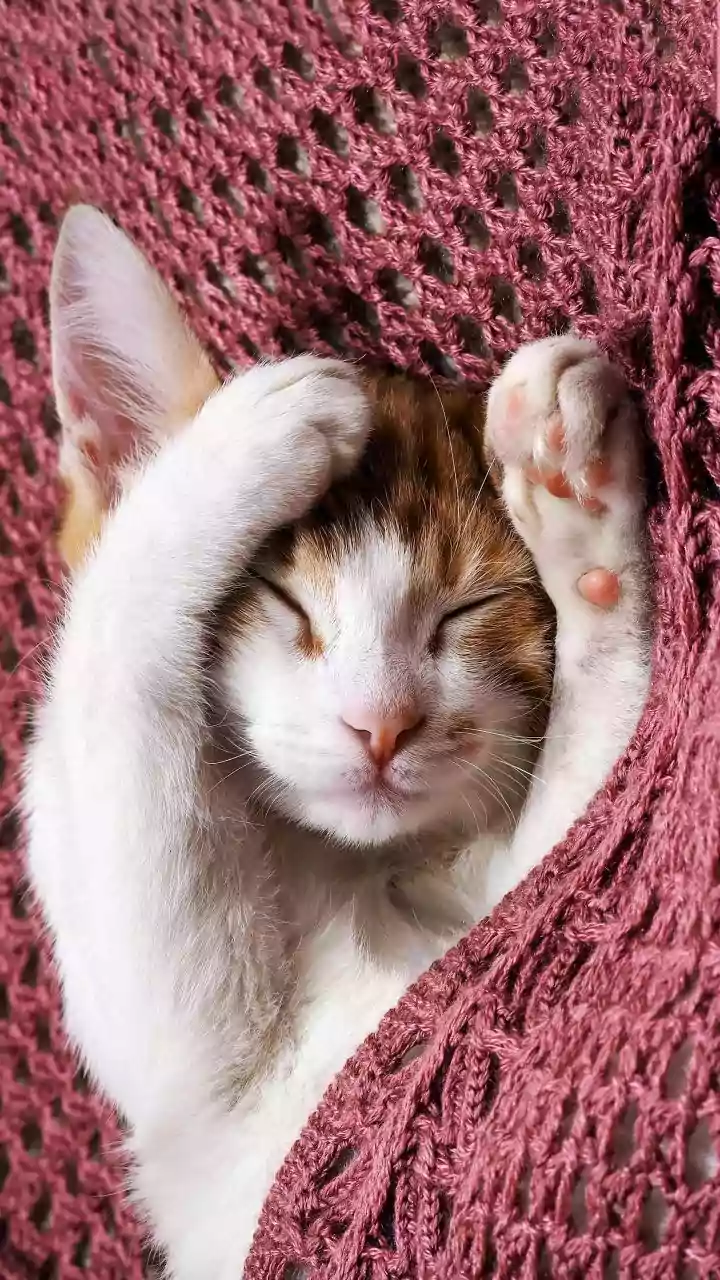
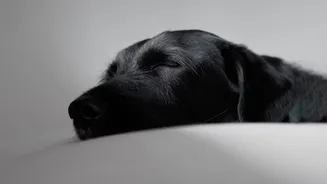
The most effective way to encourage tranquility is to reward it the moment it happens spontaneously. This technique is often called 'capturing calm'. Instead of asking your pet to settle, you become an observer. Keep small, high-value treats handy throughout the day. When you notice your dog lying down on their own or your cat dozing peacefully in a sunbeam, you act. The key is to deliver the reward without disrupting the state of calm. You are not rewarding an action, but a state of being. This shifts the focus from obedience to reinforcing a relaxed emotional state, which is a much more powerful tool for a harmonious household.
Mastering the Hands-Off Reward
Rewarding without pressure requires a different toolkit. Instead of petting, try tossing a treat from a distance. The goal is for the reward to appear as if by magic, without any social demand attached. One highly effective method is to calmly walk by and drop a treat or a small handful of kibble between your pet's paws while they are lying down. Avoid talking to them, making eye contact, or touching them during this process. The message becomes clear: good things happen when you are calm and resting. Other non-physical rewards include soft, gentle praise like a quiet "good dog," which has been shown to be highly motivating. For some pets, the reward can simply be your quiet presence nearby, which communicates safety without demanding interaction.
Teaching the 'Settle on a Mat' Exercise
A structured way to practice this is by teaching a 'settle' cue on a specific mat or bed. Designate a comfortable spot that is your pet's own. At first, you can lure them to the mat and reward them just for stepping on it. Gradually, you'll only reward them when they lie down. The next step is to slowly increase the time between treats, encouraging them to remain settled for longer periods. Always place the reward on the mat between their paws, so they don't have to get up. Eventually, your pet will start to associate the mat with relaxation and will begin going there on their own to settle down. When you want to end the session, use a calm release word like "free" or "all done."
Patience, Consistency, and Trust
This approach is about more than just managing behaviour; it's about building a deeper, more trusting relationship with your pet. By respecting their space and giving them control over their interactions, you show them they are safe with you. Consistency is vital. Every time you reinforce calm without pressure, you are making a deposit in your trust bank. This process takes patience, and progress can be slow, but the payoff is a pet that feels genuinely secure and relaxed in their home. If your pet's anxiety is severe, persistent, or leads to aggression, consulting your veterinarian or a certified animal behaviourist is the best course of action.