
How Do They Actually Work?
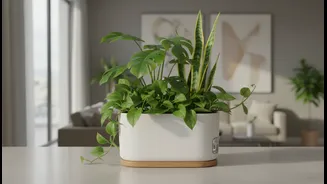
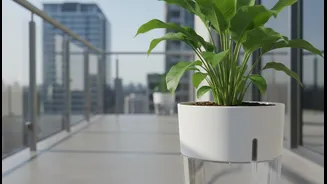
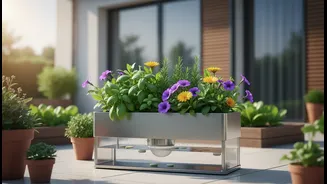
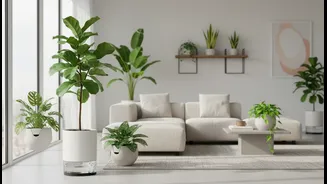
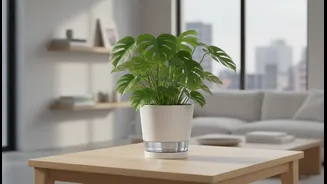
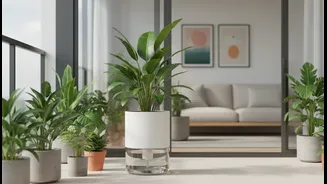
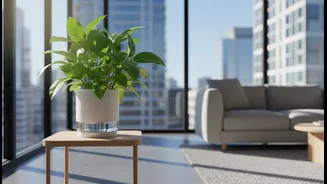
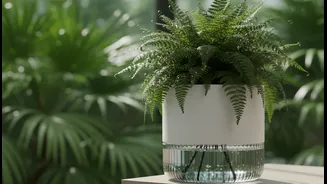
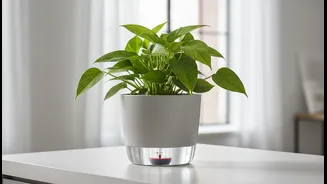
Self-watering planters are not magical, but their design is certainly clever. They operate on a simple sub-irrigation system. Each planter consists of two main parts: an upper chamber for the soil and the plant, and a lower reservoir that you fill with
water. A wicking mechanism, often a strip of fabric or even a column of soil, connects the two. Through a natural process called capillary action, the wick draws water up from the reservoir into the soil as needed. This allows the plant to essentially 'drink' at its own pace, taking up moisture directly at the root level when the soil begins to dry out. Most designs also include an overflow hole to prevent you from adding too much water, which helps avoid waterlogging and root rot.
The Ultimate Convenience for Busy Lives
The most celebrated benefit of self-watering planters is the sheer convenience they offer. Daily watering becomes a thing of the past. Instead of worrying about soil moisture every day, you simply top up the reservoir, often just once a week or even less, depending on the plant, pot size, and climate. This is a game-changer for anyone with a hectic schedule, frequent travellers, or those who simply admit to being a bit forgetful. By providing a consistent level of moisture, these planters eliminate the common gardening pitfalls of overwatering and underwatering, which are two of the biggest challenges for container gardeners. This steady hydration leads to healthier plants with more robust root systems.
A Smart and Sustainable Choice
Beyond convenience, self-watering planters are an environmentally conscious option. Their efficient design significantly conserves water. Because the water is contained in a reservoir and delivered directly to the roots, there is minimal loss to evaporation or runoff, which is common with traditional top-watering methods. Some studies suggest that these systems can reduce water consumption by up to 50% compared to conventional pots. The sustainability factor extends to the materials as well. Many modern planters are crafted from eco-friendly materials like recycled plastic, repurposed metal, bamboo, or even rice hulls, reducing waste and lowering your carbon footprint.
Choosing the Right Plants
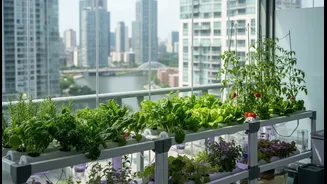
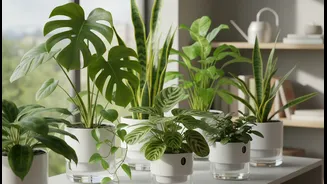
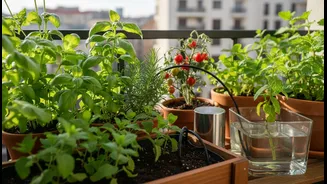
While incredibly versatile, self-watering planters are not a one-size-fits-all solution for every plant. They work best for species that thrive in consistently moist soil. This includes a wide variety of popular houseplants and edibles perfect for Indian homes. Think of leafy greens like spinach, herbs like basil (tulsi), mint (pudina), and coriander, and flowering plants like peace lilies and African violets. Moisture-loving indoor plants such as pothos, spider plants, and ferns also flourish in these systems. However, you should avoid using them for plants that prefer their soil to dry out completely between waterings, such as succulents, cacti, and herbs like rosemary.
Getting Started for Success
Setting up your self-watering planter correctly is key to a thriving plant. Start with a high-quality potting mix rather than heavy garden soil. When you first pot your plant, you'll need to water it from the top for a week or two. This initial top-watering helps settle the soil and encourages the roots to grow downwards towards the wicking system. Once the roots are established, you can switch to exclusively filling the reservoir. Keep an eye on the water level indicator, if your planter has one, and refill it when it gets low. It's also a good practice to occasionally flush the soil from the top every few months to prevent the buildup of mineral salts.