





What 'Better' Lentils Really Means
In the world of dal, 'better' doesn’t always mean more expensive. A premium price tag might reflect fancy packaging or an organic certification, but the true markers of quality are freshness, flavour, and cooking performance. Better lentils cook evenly,
become tender without turning to complete mush (unless that's the goal), and have a rich, authentic taste. Old lentils, on the other hand, can remain hard even after extensive cooking and often have a flat, dusty flavour. The goal is to find the freshest, most flavourful dal, and that often has more to do with where you shop and what you look for than the price you pay.
The Polished vs. Unpolished Debate
Walk down any grocery aisle and you'll see shiny, glossy dals next to dull, matte ones. These are polished and unpolished lentils, and the difference is more than just cosmetic. Polishing is a process where dals are treated with agents like oil, water, or even stone powder to give them a uniform shine and extend shelf life. However, this process can strip away the outer layer of the grain, which contains fibre and nutrients. Unpolished dal, while less attractive, retains this natural goodness. It often has a richer flavour, cooks faster, and is considered healthier. For a simple test, wash a handful of dal; if the water turns cloudy or turbid, it's likely polished.
Use Your Senses: Look, Smell, Touch
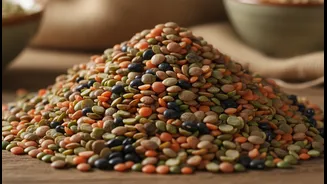
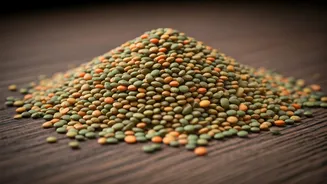
Your best tools for judging dal quality are your own senses. First, look at the grains. They should be relatively uniform in size and colour, a sign of good grading. Avoid lentils that look dull, faded, or have a lot of broken pieces, as these can be signs of age or poor handling. The dal should be free of impurities like stones, dirt, or insect damage. Next, smell the lentils if you can, especially when buying loose. They should have a clean, earthy aroma. A musty or sour smell indicates they are old or have been stored improperly. Finally, the lentils should feel firm and dry; any softness or stickiness suggests moisture damage, which can lead to spoilage.
Smart Shopping: Where to Find the Best Value
The most expensive package isn't always the best source. Often, the best value and freshness can be found at a local kirana store with high turnover. These shops replenish their stock frequently, meaning the lentils you buy are less likely to have been sitting on a shelf for months. When buying loose, you have the advantage of being able to inspect the dal up close. Supermarkets offer convenience and packaged options, which can be a good choice if you're concerned about hygiene. However, always check the packaging date. A recent date is a much better indicator of freshness than a brand name. Buying in bulk can be cost-effective, but only if you have a proper airtight container and will use the lentils within a reasonable time. Even the best dal will lose its quality if stored poorly.
Decoding the Package: Brand vs. Freshness
For those who prefer the convenience of packaged lentils, learning to read the label is key. Ignore the flashy marketing terms and focus on the practical information. The most important detail is the 'Date of Packing' or 'Date of Manufacturing'. Choose the package with the most recent date to ensure freshness. While organic labels indicate the dal was grown without synthetic pesticides, it doesn't automatically guarantee superior quality or flavour over a fresh, conventionally grown batch. The price premium on organic dals may or may not be worth it to you. Ultimately, a trusted local brand with a recent packing date is often a more reliable choice than an expensive, imported one that has been sitting in transit and on shelves for a long time.