




First, The Big Picture
Before we get to the satellites and lasers, let's break down the core mission. In April 2023, the Indian government greenlit the National Quantum Mission (NQM), a massive, eight-year undertaking with a budget of over $700 million. The goal is to position
India as a global leader in the quantum technology revolution. This isn't just a single project; it's a nationwide push to develop everything from quantum computers and advanced sensors to novel quantum materials. The mission is structured around four specialized 'Thematic Hubs' at leading research institutions, each focusing on a different pillar: computing, communication, sensing, and materials. Think of it as India’s all-in bet on the next generation of technology, one that could redefine everything from cybersecurity and healthcare to finance and national security.
Where Space Meets Quantum
So, where does space fit into all this? The answer lies in two key areas where quantum technology offers game-changing advantages: communication and sensing. The most significant of these is secure communication. Traditional encryption relies on complex math problems that, theoretically, a powerful enough computer (especially a future quantum computer) could break. Quantum communication, however, is different. It uses the fundamental principles of physics to secure data. One of the primary methods is Quantum Key Distribution (QKD), which allows two parties to create an unhackable encryption key. If an eavesdropper tries to intercept the key, the very act of observing it changes its quantum state, immediately alerting the users. While this works over fiber optic cables, its range is limited. To create a truly global, unhackable network, you need to go wireless—and the best way to do that is with satellites.
India's Playbook in Orbit
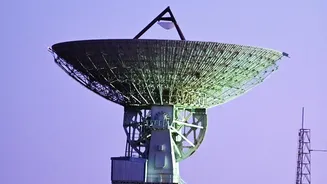
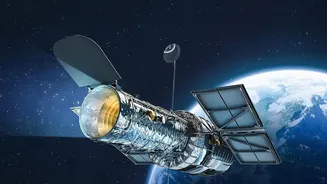
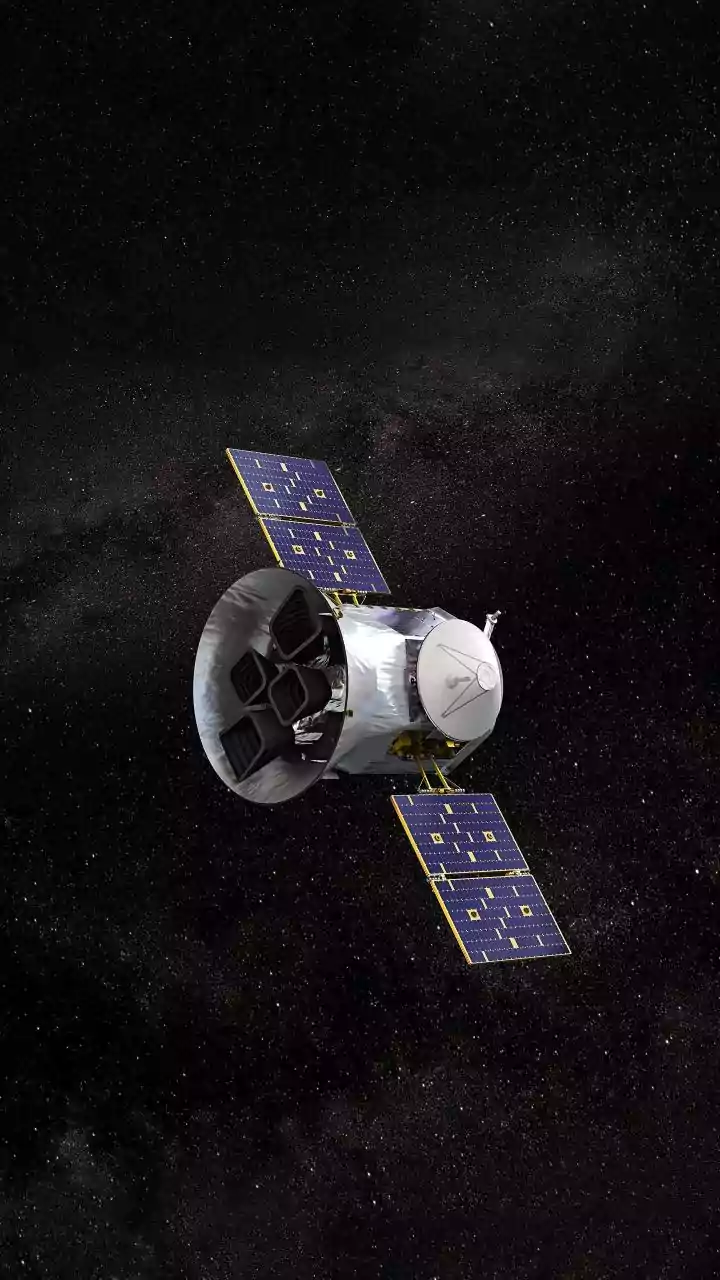
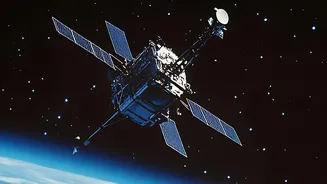
This is precisely what India is aiming for. A core objective of the National Quantum Mission is to establish satellite-based secure quantum communications between ground stations up to 2,000 kilometers apart. The Indian Space Research Organisation (ISRO) is a key player, already demonstrating successful free-space QKD over shorter distances as a proof of concept. The goal is to use satellites as trusted nodes, beaming quantum-encrypted data across the subcontinent and eventually to other countries. Beyond communication, the mission is also developing ultra-precise atomic clocks and quantum sensors. These technologies could lead to navigation systems that don't rely on GPS—a massive strategic advantage—and sensors capable of detecting minute gravitational or magnetic variations, with applications from resource mapping to defense.
A New Kind of Space Race
India isn't alone in this pursuit. China has already made significant strides with its Micius satellite, the world's first quantum communication satellite. The European Union's QT Flagship initiative also identifies space as a critical arena for quantum applications. The United States, through agencies like NASA, is also deeply involved, developing quantum sensors for space exploration and fundamental physics research aboard the International Space Station. What makes India's effort notable is that the space component is not an afterthought; it is an integral part of its national quantum strategy from the outset. By baking satellite-based applications into the mission's core deliverables, India is signaling its intent not just to participate in the quantum race, but to secure a leading role in one of its most critical and strategic frontiers.