




The Modern Indian Food Dilemma
The Indian dietary landscape is a complex mix of traditional, home-cooked meals and a rapidly growing market of pre-packaged foods. This boom, coupled with a rise in lifestyle diseases like diabetes and hypertension, has created an urgent need for clear,
accessible nutritional guidance. Existing nutrition apps, often designed for Western diets, struggle to be helpful. They rarely account for the vast diversity of Indian cuisine, from regional sabzis and dals to the countless unbranded snacks that form a core part of daily eating. Logging a meal of 'poha' or 'rajma chawal' often yields inconsistent and unreliable data, making accurate tracking nearly impossible for the average user. This is the gap NIN's new initiative aims to fill.
What is NIN's Planned AI Bot?
The Hyderabad-based National Institute of Nutrition is developing an AI-powered search engine and web platform to act as a one-stop source for food and nutrition information. The goal is to create a comprehensive, scientific database that covers not only thousands of packaged food products available in the Indian market but also understands the context of traditional Indian meals. At its core, the tool will allow a user to look up a specific product or brand and get an easy-to-understand breakdown of its nutritional profile. The AI will analyse components, flag potentially unhealthy ingredients, and help consumers see past marketing claims to understand what they are actually eating.
Bridging Two Worlds: Local and Packaged
The key innovation lies in connecting two separate data universes. The first is NIN's extensive, long-standing research into Indian food composition, which catalogues the nutritional values of raw Indian food items. For decades, the institute has published the Indian Food Composition Tables (IFCT), a foundational resource for nutritionists. The second universe is the chaotic world of packaged foods. To tackle this, NIN has partnered with a Hyderabad-based startup that developed the TruthIn app. This app has already built a database of over 75,000 food products by capturing and analysing their labels, ingredients, and nutritional content. By integrating these two data sets, the AI bot can offer uniquely contextual advice, such as comparing the nutritional value of a packaged snack with a traditional homemade alternative.
How It Will Empower Consumers
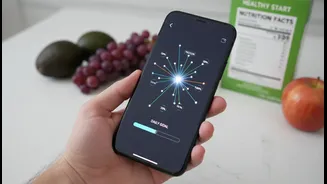
The practical applications are significant. A user could, for example, scan a barcode in a supermarket and instantly get a simplified health rating. The tool could help identify hidden sugars, high sodium levels, or complex additives listed with confusing INS numbers. For parents packing a tiffin, it could help decide between a packet of biscuits and a piece of fruit. For individuals managing health conditions, it could provide a reliable way to track their diet in a way that understands Indian portion sizes (like 'katoris') and recipes. This would transform the abstract numbers on a nutrition label into actionable intelligence for daily life.
The Road Ahead and Potential Challenges
While the project is promising, its success will depend on overcoming several hurdles. A major challenge for any digital health tool in India is ensuring widespread adoption across diverse demographics, which includes navigating issues of digital literacy and multilingual support. The sheer diversity of Indian cuisine means that creating a truly comprehensive recipe database is an enormous task; the same dish can be prepared in dozens of ways with different ingredients and oil content. Keeping the database of packaged foods constantly updated as new products enter the market will also require a sustained effort. Furthermore, the platform's effectiveness will rely on its ability to present information in a simple, user-friendly format that people without a scientific background can trust and use.