

The New Market Reality
In August 2026, the Indian auto market crossed a significant threshold. Data from the Federation of Automobile Dealers Associations (FADA) revealed that vehicles with alternative powertrains—a group comprising Compressed Natural Gas (CNG), hybrids, and
Electric Vehicles (EVs)—accounted for 41.95% of retail sales. This narrowly edged out petrol and ethanol cars, which stood at 40.85%. Just a year prior, petrol cars comfortably outsold all alternatives combined, highlighting the rapid pace of this transition. However, this isn't a simple story of one technology replacing another. The data shows a fragmented but powerful shift. CNG vehicles were the largest contributor, making up over 25% of sales, driven by their lower running costs. Hybrids followed at around 9%, with EVs close behind at over 7%. This demonstrates that Indian consumers are not moving in a single direction but are choosing different solutions based on their needs, from pure cost savings to fuel efficiency and technological novelty.
The End of One-Size-Fits-All
For decades, carmakers operated on a relatively simple premise: build better internal combustion engines (ICE). That era is over. The rise of a multi-powertrain market demands a fundamental strategy change away from betting on a single technology. The industry is moving towards a more complex, portfolio-based approach. Automakers must now cater to at least three distinct types of buyers. The CNG customer is primarily motivated by affordability and low running costs. The hybrid buyer seeks improved fuel efficiency without the range anxiety of a pure EV. The EV adopter is often a tech-savvy early adopter willing to embrace a new ownership model. To succeed, manufacturers can no longer push a single vision of the future. Instead, they need flexible manufacturing platforms capable of producing ICE, hybrid, and electric models on the same assembly line. This allows them to pivot quickly based on consumer demand and regulatory changes, de-risking the enormous capital investments required for electrification.
Rethinking Manufacturing and Supply Chains
The transition to a multi-powertrain world creates immense challenges for manufacturing and logistics. Shifting production requires more than just swapping out an engine for a battery pack; it involves a complete overhaul of factory tooling, processes, and workforce skills. Plants built for ICE vehicles need significant and costly retooling to handle the high-voltage systems of EVs and the dual-system complexity of hybrids. The supply chain is also being completely redrawn. The traditional automotive supply chain, built around mechanical components like pistons and fuel injectors, is giving way to one centered on batteries, electric motors, semiconductors, and specialized software. This shift introduces new dependencies on different raw materials, such as lithium and rare earth minerals, and exposes carmakers to new geopolitical and sourcing risks. Managing a diversified supply chain that can feed production lines for CNG, hybrid, and electric vehicles simultaneously is becoming a core competitive advantage.
Software Becomes the New Horsepower
As the importance of the mechanical powertrain wanes, software is taking its place as a key differentiator. In an electric and increasingly connected car, the user experience is defined by the operating system, in-car infotainment, and digital services. Carmakers are evolving from being pure manufacturers into tech companies. This change is most evident in the EV space, where features like over-the-air updates, autonomous driving capabilities, and subscription-based services are becoming standard. This model allows manufacturers to generate revenue throughout the life of the vehicle, not just at the point of sale. The focus is shifting from what’s under the bonnet to the capabilities of the dashboard screen. Companies that excel at creating intuitive, reliable, and innovative software will build stronger customer loyalty and command higher margins in this new era.
Strategies for a Diverse Indian Market
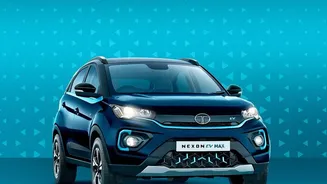
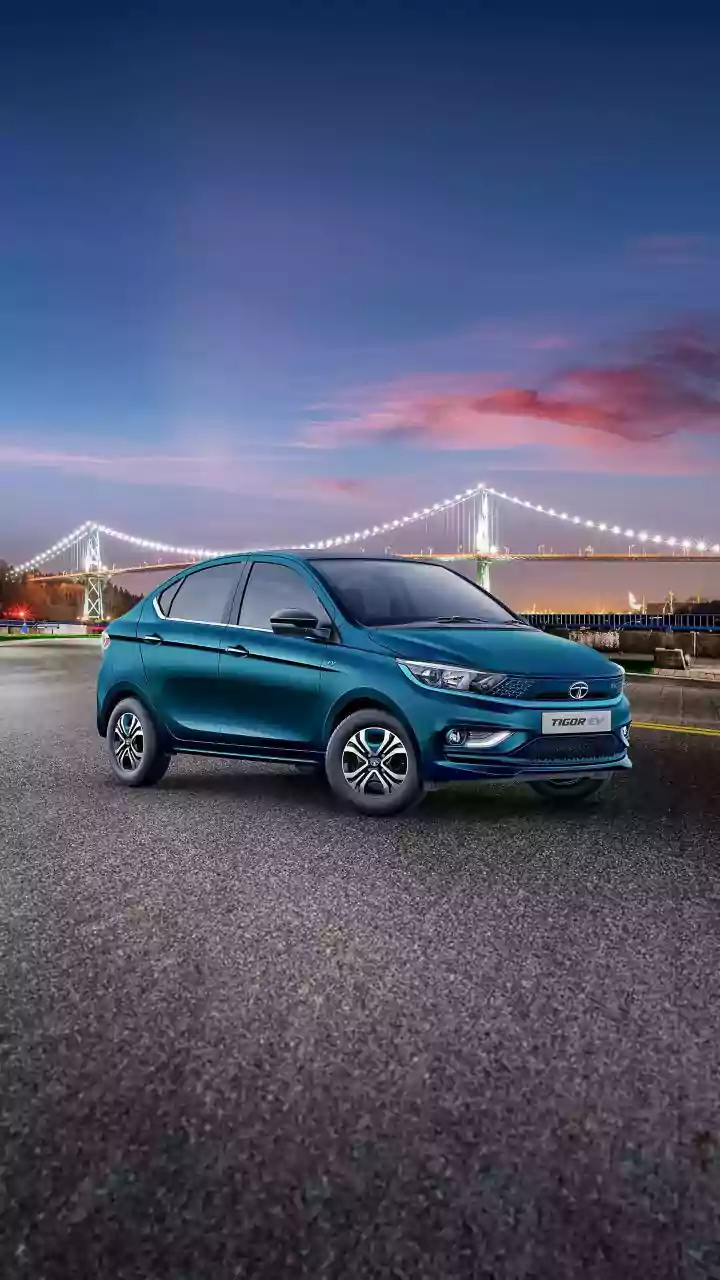
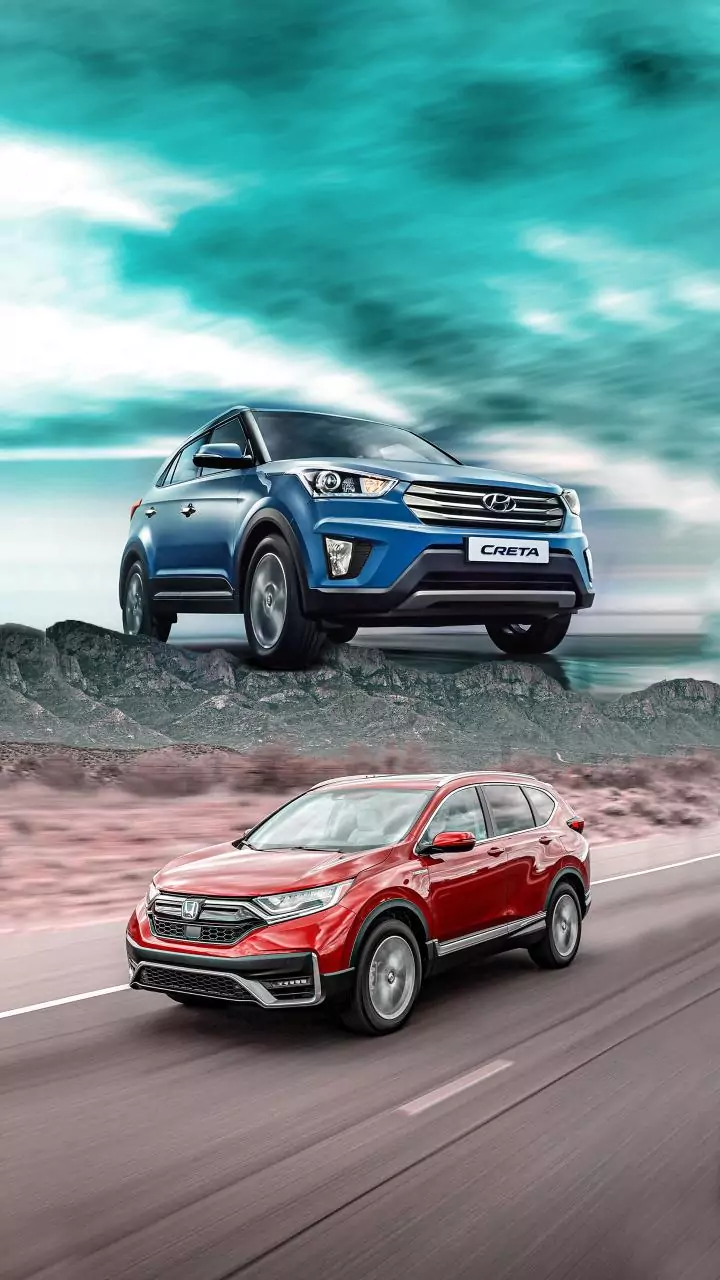
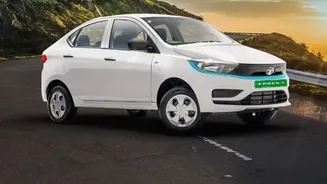
In India, the multi-powertrain trend means local and international players must tailor their strategies. Companies like Maruti Suzuki have found great success by dominating the CNG segment, meeting the demand for low-cost mobility. Meanwhile, Tata Motors has established itself as a leader in the passenger EV market by offering affordable and appealing electric models. At the same time, players like Toyota and Honda are leveraging their global expertise in hybrid technology to cater to buyers seeking a middle ground. The government’s push for electrification through initiatives like the FAME scheme further complicates the strategic calculus, encouraging investment in EV infrastructure and local battery production. The winning strategy in India won't be about choosing one path but about building a resilient and diverse portfolio that can serve the varied economic and practical needs of a billion-plus consumers.