

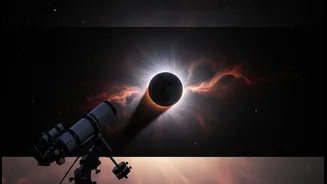


The Dream of a Second Moon
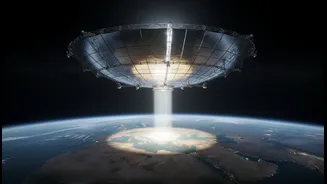
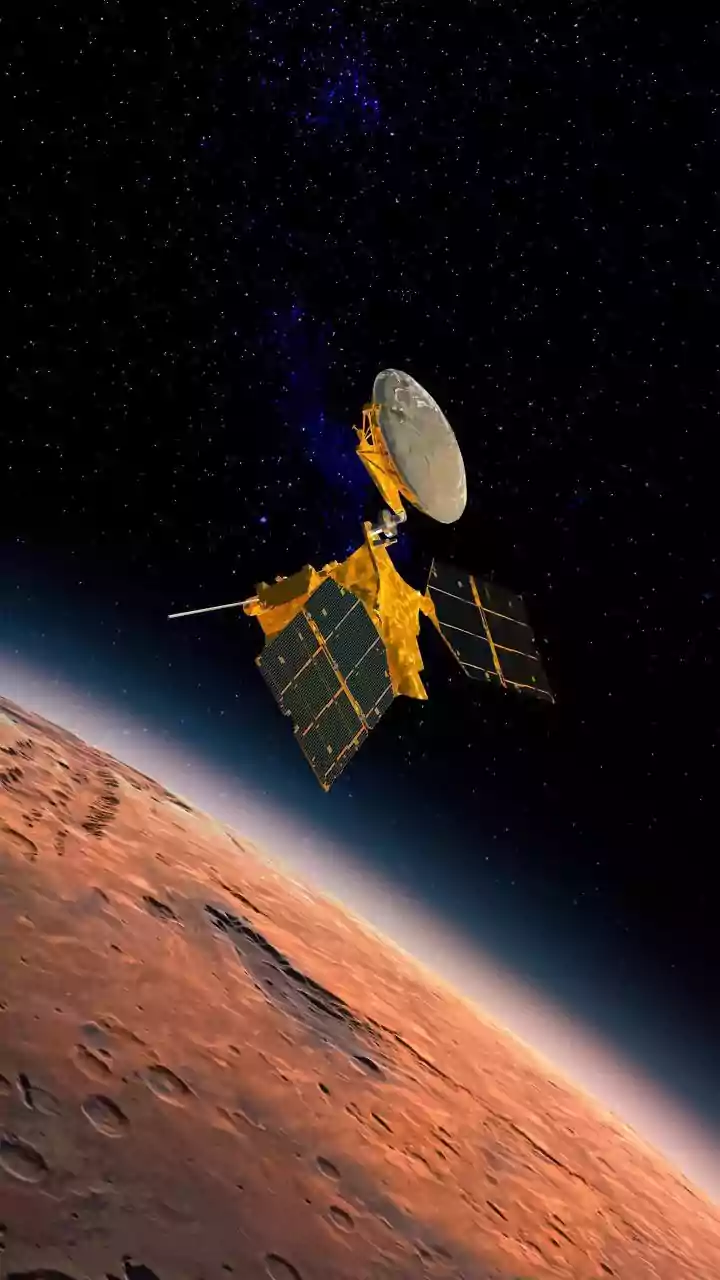
The idea behind concepts like the one suggested by the headline is simple yet profound: deploy large, reflective surfaces in low-Earth orbit to catch sunlight and redirect it to the night side of the planet. While a specific project named 'Earendil-1'
has recently entered public discussion, the name itself symbolizes a long-held technological aspiration. A California-based startup named Reflect Orbital is developing a demonstration satellite called Earendil-1, and in July 2026, it received FCC authorization for its radio operations. The goal is to provide 'sunlight on demand' for various purposes, from extending the working hours of solar farms to aiding in disaster relief operations when power is out. This isn't just about a single bright light; the ultimate vision for some companies involves constellations of thousands of satellites, working together to turn night into a manageable twilight in targeted areas.
Ghosts of Projects Past
This futuristic vision has a surprisingly long history. The most notable early attempt was Russia's Znamya project in the 1990s. In February 1993, the Znamya-2 experiment successfully unfurled a 20-metre-wide mirror from a Progress spacecraft near the Mir space station. For a few hours, it cast a 5-kilometre-wide spot of light, with a brightness roughly equivalent to a full moon, that swept across a cloudy Europe. Though a fleeting success, it proved the basic concept was workable. A more ambitious follow-up, Znamya-2.5, was launched in 1999. This 25-metre mirror was designed to be five to ten times brighter than the full moon. However, the mission failed shortly after deployment when the delicate mirror snagged on an antenna and ripped, leading Russia to abandon the project.
Modern Ambitions and Bright Claims
More recently, the idea was revived with significant fanfare in China. In 2018, a private institute in Chengdu announced plans to launch an 'illumination satellite' by 2020. The stated purpose was to replace the city's streetlights, potentially saving over a billion yuan in electricity costs annually. Reports claimed this artificial moon could be up to eight times more luminous than the real one, capable of lighting an area 10 to 80 kilometers in diameter. While the 2020 launch target passed without event and official government backing was unclear, the proposal reignited global interest and debate. Now, the focus shifts to companies like Reflect Orbital, whose Earendil-1 prototype aims to launch this year. The plan for this test satellite involves a reflector measuring about 18 by 18 metres, creating a beam of light on the ground roughly three miles wide.
The Bright Side vs. The Dark Side
The potential benefits of orbital reflectors are compelling. Proponents envision a future where nighttime construction and agricultural work can continue under a 'dusk-like glow', search-and-rescue operations in disaster zones are illuminated from above, and solar power farms can generate electricity for a few extra hours after sunset. However, the opposition is significant and vocal. Astronomers are deeply concerned, arguing that a sky filled with thousands of objects brighter than stars will make ground-based observation nearly impossible. The American Astronomical Society has warned of negative impacts on scientific research and even potential eye damage for those using telescopes. Environmental groups and biologists raise alarms about the disruption of nocturnal ecosystems. Animals that rely on natural light cycles for navigation, hunting, and reproduction could be severely affected by an artificially brightened night sky.