




The Immediate Threat
Following a deadly flash flood in Nepal's Rasuwa district, which was reportedly triggered by an ice-rock avalanche or a glacial lake outburst, Indian authorities have issued urgent alerts for a number of districts in Bihar and Uttar Pradesh. In Bihar,
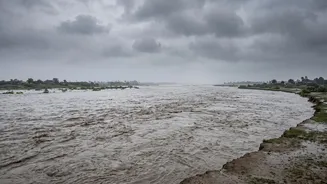
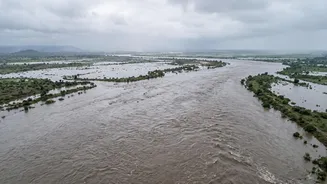
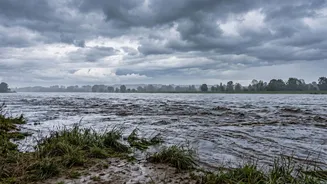
at least nine districts, including West Champaran, East Champaran, Gopalganj, Sitamarhi, and Supaul, are under heightened vigilance. Similarly, in Uttar Pradesh, the administrations in Maharajganj and Kushinagar districts have been directed to take all necessary precautions. The primary concern is a sudden and significant rise in water levels in rivers that cross the international border, threatening low-lying areas with inundation. Evacuations have already begun in some vulnerable riverside villages, with residents being moved to safer locations.
A Shared River System
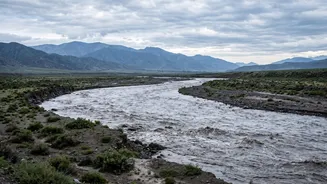
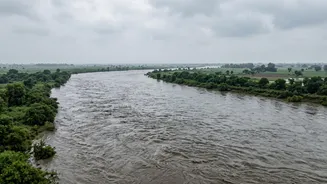
The threat is not abstract; it’s baked into the region's topography. Several major river systems originate in the Himalayas in Nepal and flow south into the Gangetic plains of India. The current crisis is centered on the Gandak river, known as the Narayani in Nepal. The flash flood in Nepal's Bhote Koshi-Trishuli river basin feeds directly into this system. As this massive surge of water moves downstream, it is expected to swell the Gandak considerably. This creates a direct and perilous connection: a disaster unfolding in Nepal's mountains can become a crisis in India's villages within hours. Other significant transboundary rivers, like the Kosi, often called the "Sorrow of Bihar" for its history of devastating floods, also put the state on edge during any major hydrological event in Nepal.
Massive Coordinated Response
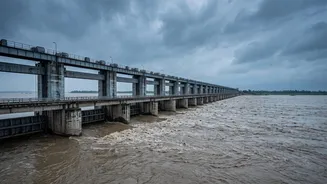
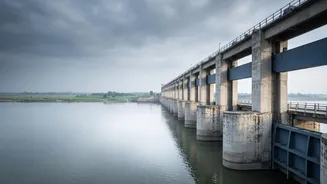
Recognizing the gravity of the situation, a massive, coordinated response is underway. Both the Bihar and Uttar Pradesh governments have activated their disaster management protocols. In Bihar, a high-level committee has been formed, and Chief Minister Samrat Choudhary is personally monitoring the situation. As a key precautionary measure, all 36 gates of the Valmikinagar Barrage on the Gandak river have been opened to allow the excess water to pass through safely. The National Disaster Response Force (NDRF) and State Disaster Response Force (SDRF) teams have been mobilized and deployed to vulnerable areas. Union Home Minister Amit Shah has spoken with the chief ministers of both states and assured them of all possible help from the central government.
A History of Cross-Border Cooperation
This recurring threat has led to established, though sometimes imperfect, systems of cooperation between India and Nepal. There is an arrangement for sharing real-time hydrological data on river flows, which is critical for providing advance warning. When Nepal observes a dangerous surge in rivers like the Narayani, that information is communicated to Indian officials downstream, allowing them to prepare barrages and alert communities. However, the speed of flash floods, often triggered by events like glacial lake outbursts or landslides, can test these systems to their limits, leaving very little time for a full-scale response. Efforts are ongoing to strengthen these community-based early warning systems to ensure alerts reach the last mile and give people precious extra hours to evacuate and save their livelihoods.