






From Darshan to De-Stressing
Spiritual tourism in India is undergoing a profound transformation. While traditional faith-based journeys to destinations like Varanasi, Tirupati, and the Char Dham circuit remain immensely popular, the definition of a spiritual trip is expanding. It
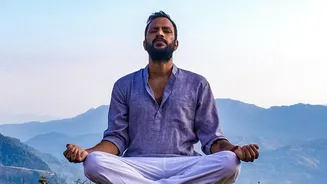
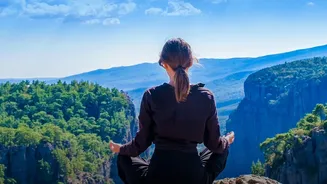
is shifting from a purely religious obligation to a broader quest for well-being. Today’s traveller isn't just seeking blessings; they are searching for a break from hectic urban life, a chance to manage stress, and an opportunity for self-reflection. This evolving landscape now includes everything from silent meditation retreats and yoga workshops to cultural immersion and simple, quiet time in nature. The journey is no longer just about the destination, but about returning home feeling healthier, calmer, and more connected to oneself.
The Rise of the Wellness Seeker
This shift is closely tied to the global boom in wellness, a sector where India holds a powerful cultural advantage. With its ancient traditions of Ayurveda, yoga, and meditation, the country is uniquely positioned to cater to those seeking holistic health. The wellness tourism market in India is projected to grow significantly, with some estimates suggesting a compound annual growth rate of over 15% between 2026 and 2035. Travellers are increasingly planning entire holidays around wellness objectives, such as improving sleep, undergoing Ayurvedic treatments, or participating in a digital detox. This has given rise to new spiritual hotspots. Rishikesh is now a global capital for yoga, Kerala's tranquil backwaters are synonymous with Ayurvedic healing, and destinations like Dharamshala offer deep dives into Buddhist philosophy.
A New Generation of Travellers
Driving this change is a younger demographic. Millennials and Gen Z are approaching spiritual travel with a new set of priorities. For them, a trip to a holy city might be combined with exploring local culture, trying regional cuisine, and seeking out unique experiences. According to one report, Gen Z accounts for a surprisingly high 53% of spiritual travel bookings. This generation is not necessarily abandoning tradition; rather, they are integrating it into a more rounded travel experience that caters to body, mind, and spirit. This has led to a demand for better infrastructure, including premium accommodation, as travellers are willing to spend more on comfort and quality experiences. Tour operators are now designing itineraries for multiple generations travelling together, each with their own reason for the journey.
Beyond the Obvious Destinations
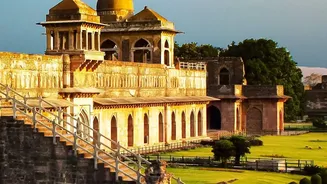
The search for authentic experiences is taking travellers to lesser-known spiritual spots. While cities like Varanasi and Amritsar, with the Golden Temple, continue to blend history and spirituality perfectly, a new map of reflective travel is emerging. Coastal towns like Udupi in Karnataka are becoming known as living cultural ecosystems. In Maharashtra, temples like Aundha Nagnath offer a quieter, more contemplative alternative to crowded Jyotirlinga shrines. Even traditional hubs are being reimagined. The Uttar Pradesh government, for instance, plans to develop ancient spiritual cities like Ayodhya and Varanasi as 'signature wellness destinations', blending ancient wisdom with modern health standards. This aligns with national initiatives like the PRASHAD scheme, which is improving infrastructure at pilgrimage sites to support this growing demand.