






The Home Screen Has the Advantage
The single biggest driver of this change is the unprecedented convenience and value offered by streaming platforms. For the monthly price of less than two movie tickets, services like Netflix, Disney+, and others offer a vast, ever-changing library of films
and series. This shift is particularly pronounced in India, where affordable data and widespread smartphone use have made on-demand content accessible to millions. The appeal goes beyond cost; it’s about control. Viewers can watch what they want, when they want, without sticking to a schedule. Research from 2026 shows a clear preference, with one survey indicating 46% of viewers prefer watching new films at home, compared to just 15% who prefer the cinema as a default. This convenience has trained audiences to see the cinema as a selective outing rather than a weekly habit.
The Cinema Becomes an Event
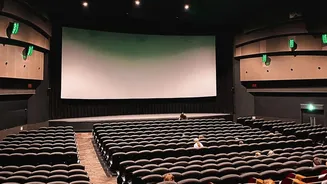
So why are people still going to the movies at all? The answer is the experience. Theatres can't compete with streaming on convenience, so they are competing on spectacle. For genres like action, adventure, and sci-fi, the big screen, immersive sound, and premium formats like IMAX offer an experience that even the best home theatre cannot replicate. These are not just movies; they are cultural events. The fear of missing out and the desire to be part of a collective, communal experience—laughing, crying, or cheering with a crowd—are powerful motivators. The cinema is no longer just a place to see a film; it has become a destination for an outing, an event that justifies the cost and effort. This is why blockbusters with massive visual and auditory scale continue to draw huge crowds, while smaller, more intimate films struggle to convince people to leave their homes.
The Squeezed Middle of Cinema
The consequence of this audience split is a struggling 'middle class' of movies. Dramas, comedies, and mid-budget films that don't rely on epic scale are finding it increasingly difficult to succeed theatrically. These are the very films that used to be the backbone of the industry. Studios are now faced with a difficult choice: invest heavily in a potential nine-figure blockbuster or create lower-budget content designed specifically for streaming. The shrinking theatrical window—the time a film plays exclusively in cinemas—has also reduced the urgency to see these films immediately. Knowing a movie will be available to stream in just a few weeks encourages many to simply wait. This creates a self-fulfilling prophecy where mid-budget films underperform at the box office, further convincing studios that only giant tentpoles are worth a major theatrical push.
What is the Future of the Multiplex?
The future of the cinema is not about replacing streaming, but coexisting by specialising. Theatres are adapting to this new reality by leaning into what makes them unique. This includes investing in luxury seating, offering better food and drink options, and programming more event-style screenings. Some analysts believe a hybrid model will become standard, where studios use theatrical releases to build hype and prestige before a film moves to a streaming platform, maximizing revenue from both channels. While daily viewing will likely be dominated by streaming, cinemas will solidify their role as the premier venue for impactful, shared cultural moments. The multiplex is evolving from a simple distribution point for all movies into a curated stage for the ones that truly demand to be seen on the biggest screen possible.