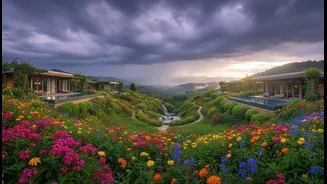









The End of the Off-Season
For decades, the monsoon months from June to September marked a quiet, lean period for India's hospitality sector. Hotels in popular leisure destinations like Goa would often slash prices to attract the few travellers willing to brave the downpours. This
year, however, tells a different story. The industry is witnessing a structural shift, with the monsoon emerging as a powerful travel driver in its own right, no longer confined to just two peak seasons. This newfound interest has helped hotel operators maintain their pricing power, a stark contrast to pre-pandemic years when monsoon discounts were the norm. Major hotel groups are reporting that bookings for July are pacing significantly ahead of last year, signaling a fundamental change in travel patterns.
What's Driving the Rainy-Day Rush?
Several factors are converging to fuel this trend. The rise of remote and flexible work arrangements allows travellers to take 'workcations' from scenic locations, blending productivity with leisure. This is coupled with a growing desire among Indian travellers for shorter, more frequent getaways throughout the year. Instead of just one or two big annual holidays, people are opting for extended weekend trips to nearby destinations to recharge. There is also a clear shift towards experience-led travel. Tourists are looking beyond conventional sightseeing and seeking out personal interests, whether it's wellness retreats, spiritual journeys, or nature-based exploration in the lush, rain-washed landscapes. This has led to a surge in demand for destinations that offer unique monsoon experiences.
Monsoon Hotspots on the Rise
While established destinations like Goa and Kerala continue to attract visitors, the monsoon boom is creating new hotspots across the country. Hill stations are seeing unprecedented growth. According to data from travel platforms, places like Munnar and Mussoorie have seen a nearly tenfold increase in hotel bookings compared to last year's monsoon season. Other destinations in the Western Ghats, such as Coorg, Wayanad, and Lonavala, have also seen bookings expand multiple times over. The trend extends to the north, with hill states like Himachal Pradesh and Uttarakhand reporting a significant uptick. Even the northeast is gaining traction, with Nagaland and Arunachal Pradesh emerging as standout performers in flight bookings. Spiritual hubs like Ayodhya and Varanasi are also maintaining healthy occupancy rates.
The Industry Adapts and Capitalises
The hospitality and travel industries are quickly adapting to this new reality. Hotels and online travel aggregators are rolling out targeted monsoon sales and campaigns with attractive deals on flights, hotels, and holiday packages. It's a strategic move to formalise the monsoon as a distinct travel season. Hotels are also curating holistic stay experiences, focusing on indoor activities, wellness facilities, and special menus featuring regional comfort foods to appeal to rainy-day travellers. The focus is expanding beyond just providing a room to offering a complete package of cultural trails, plantation visits, and heritage walks that can be enjoyed even during a downpour. This ensures that visitor experiences remain rewarding, regardless of the weather.
A Sustainable Boost for the Economy
This shift towards year-round tourism has significant economic implications. For the hospitality sector, it provides a crucial buffer, smoothing out the revenue dips that typically occurred during the second financial quarter. It allows hotels to maintain better occupancy and revenue per available room (RevPAR) during what was once a quiet period. This growth isn't limited to major hotel chains; it supports local economies by creating year-round employment and encouraging investment in regional infrastructure and eco-friendly accommodations. The rise of monsoon travel is a testament to the resilience and dynamism of India's domestic tourism market, reflecting a deeper appreciation for the country's diverse landscapes in all seasons.