



The New Fashion Frontier
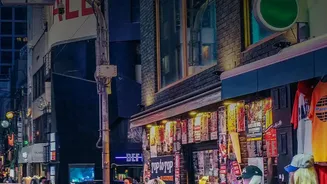
For years, the fast fashion story in India was written in its metros. Global and domestic brands focused their physical stores and marketing efforts on cities like Mumbai, Delhi, and Bengaluru. Today, that map is being redrawn. A quiet revolution is seeing
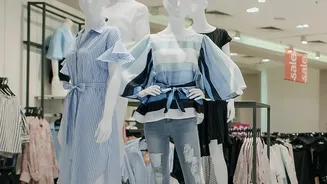
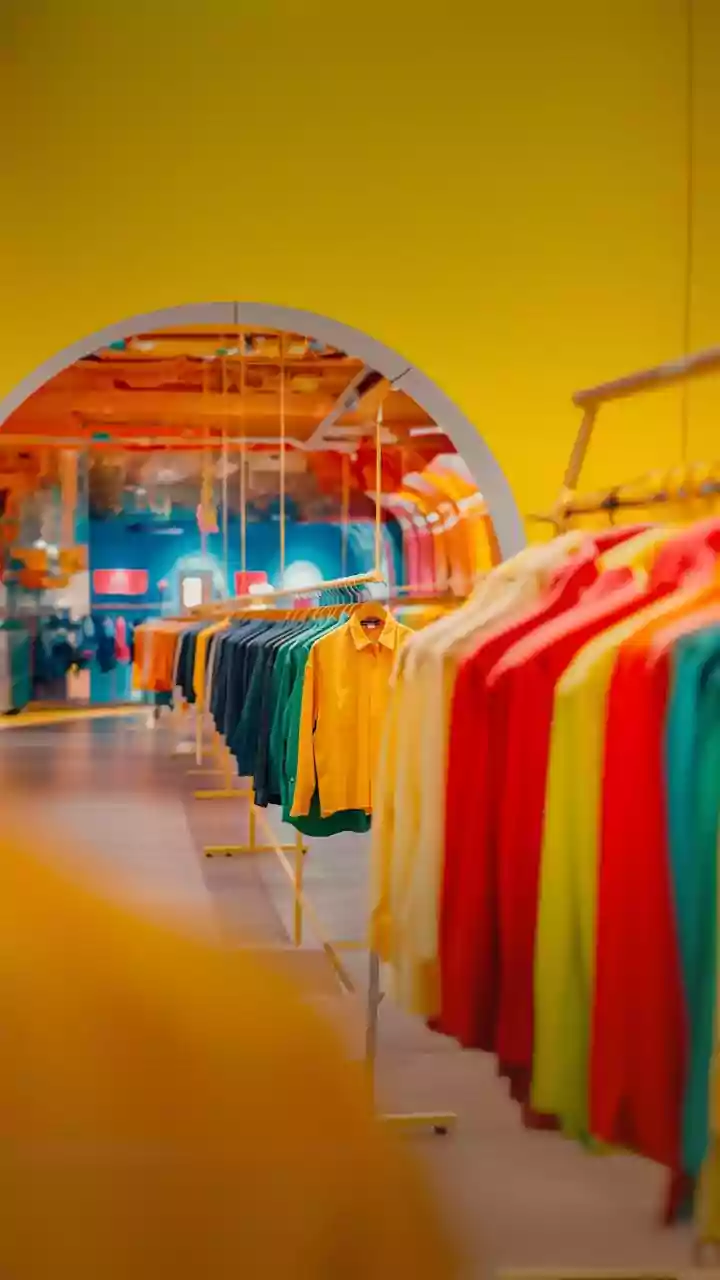
brands like Zudio, Max Fashion, and even international players push aggressively into Tier-2 and Tier-3 cities. Cities like Indore, Lucknow, Coimbatore, and Jaipur are no longer just observing trends; they are becoming major growth engines for the retail industry. This expansion isn't just happening through brick-and-mortar stores, which are popping up at an unprecedented rate, but also through a massive e-commerce surge that now connects nearly every corner of the country.
Why Now? The Drivers of Expansion
Several factors are fuelling this expansion into India's heartland. The most significant driver is the powerful combination of increased internet penetration and rising disposable incomes. With millions of new users online, social media has become a great equaliser of aspiration, exposing consumers in smaller towns to the same global trends as their metro counterparts. E-commerce platforms and improved logistics have made it possible to service this new demand efficiently. Recognising this untapped market, value-focused brands have pioneered aggressive expansion strategies. Zudio, for instance, has successfully targeted Tier 2 and 3 cities, understanding that the demand for affordable, branded fashion was immense and underserved.
The Irresistible Pull of Affordability
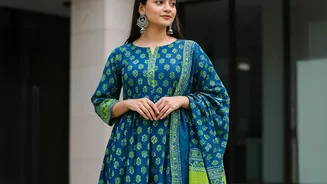
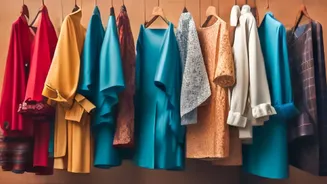
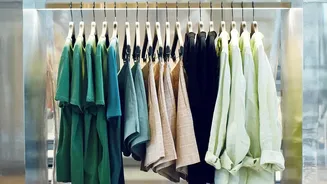
From the consumer's perspective, the appeal is undeniable. Fast fashion offers what many shoppers crave: trendy, stylish clothing at incredibly low prices. For a young student or a first-time jobber in a town that previously had limited options, the ability to buy a new, fashionable outfit for a few hundred rupees is empowering. It democratises style, allowing a broader section of the population to participate in the latest fashion conversations. Brands achieve these low price points through rapid, high-volume production cycles, often taking a design from concept to store shelf in a matter of weeks. This model is built on creating a sense of urgency, encouraging frequent purchases to stay 'on-trend'.
The Familiar Durability Problem
However, this affordability comes at a well-known cost, a trade-off that is now becoming apparent to a new wave of consumers. The core of the fast fashion business model involves using lower-quality materials and rushing the manufacturing process, which inevitably leads to poor durability. Seams come apart after a single wash, fabrics lose their shape, colours fade, and clothes quickly look worn out. Many consumers report that garments are often made to be worn only a few times before being discarded. This 'wear and dispose' culture is the central compromise of fast fashion: you get the look for less, but it doesn't last. As these brands expand, they are exporting not just their styles, but also this inherent problem of poor garment lifespan.
More Than Just a Wardrobe Issue
The consequences of this model extend far beyond a single buyer's disappointment. The proliferation of low-quality, disposable clothing is a significant contributor to India's growing textile waste crisis. The country's textile industry is now the third-largest generator of dry municipal waste, with millions of tonnes of discarded clothing ending up in landfills each year where synthetic fabrics can take centuries to decompose. This cycle of overproduction and overconsumption puts immense pressure on natural resources and contributes to pollution. While the allure of a cheap, trendy outfit is strong, its journey often ends up contributing to a much larger and more costly environmental problem.