



An Introduction to Shoja's Charm
Shoja is a small village in the Kullu district of Himachal Pradesh, perched at an altitude of over 2,000 meters. What makes it truly special is its relative anonymity. Unlike its famous neighbours, Shoja has retained a quiet, unhurried pace of life. The
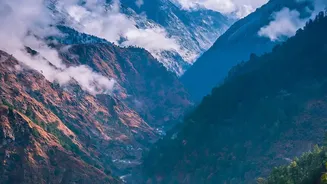
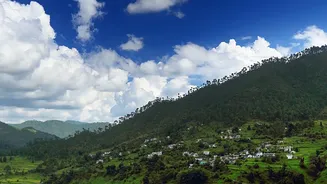
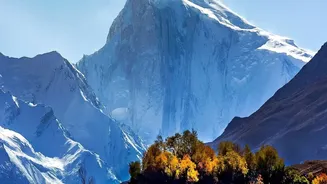
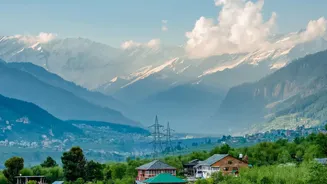
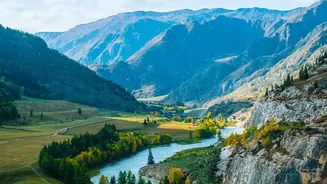
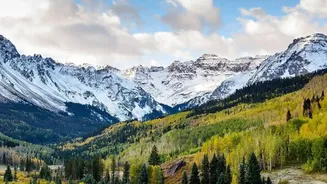
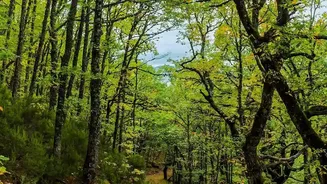
landscape is dominated by dense forests of deodar and oak, with panoramic views of the surrounding Himalayan peaks. It’s a destination for those who seek silence, scenic beauty, and a connection with nature rather than a checklist of tourist attractions. The village serves as a gateway to the Great Himalayan National Park's buffer zone, a UNESCO World Heritage Site, making it a paradise for nature lovers and birdwatchers.
How to Reach This Secluded Haven
Reaching Shoja is part of the adventure. The most common route is by road. From Delhi or Chandigarh, the journey involves driving towards Mandi and then taking a turn at Aut, leaving the main Manali highway to enter the serene Banjar Valley. Shoja is located about 35 km uphill from Aut, on the way to Jalori Pass. The nearest airport is Bhuntar Airport in Kullu, approximately 55-60 km away, from where you can hire a taxi. While Joginder Nagar is the closest railway station, most travellers find it more practical to take a train to Chandigarh and continue by road. Direct buses from Delhi to Shoja are also available, though it's always wise to confirm schedules beforehand.
Key Experiences In and Around Shoja
While relaxation is the main agenda, Shoja offers several breathtaking excursions. A drive to Jalori Pass, just 5 km away, is a must. Situated at an altitude of over 10,000 feet, the pass offers stunning views and is the starting point for two popular treks. The first is a gentle 5 km trail through a dense oak forest to the sacred Serolsar Lake, a pristine high-altitude water body. The other is a 3 km trek to the ruins of Raghupur Fort, which opens up to a 360-degree vista of the Himalayas. Even a simple walk through the village's cedar forests or to a nearby waterfall can be a deeply rewarding experience.
Accommodation: Homestays and Cozy Retreats
One of the highlights of a trip to Shoja is the accommodation. The village is known for its warm and welcoming homestays rather than large, impersonal hotels. Staying in a traditional wooden house, enjoying home-cooked Himachali meals, and interacting with the local hosts offers an authentic cultural immersion. These homestays, often with balconies overlooking the valley, provide the perfect setting to unwind with a cup of tea and a book, letting the slow mountain life work its magic. This focus on simple, personal hospitality is what sets Shoja apart and makes a stay here so memorable.
Best Time to Visit and Practical Tips
The best time to visit Shoja is from March to June for pleasant weather and lush greenery, and from September to November for clear skies after the monsoon. Winters, from December to February, transform the village into a snowy wonderland, though this can sometimes lead to road closures, especially near Jalori Pass. It's advisable to carry warm clothing regardless of the season, as temperatures can drop, especially at night. Mobile connectivity is generally available, with Airtel and Jio working best, but ATMs are limited, so it's best to carry sufficient cash. Above all, start your journeys early to make the most of the daylight on the mountain roads.