




The Golden Age of Juice
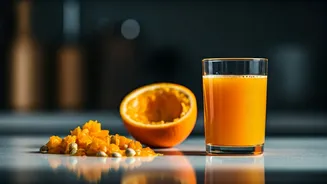
Remember when a glass of orange or mosambi juice was a non-negotiable part of a healthy breakfast? It was seen as a quick, easy way to get a dose of vitamins. We gave it to children, drank it when we were sick, and ordered it at restaurants thinking we were making
a virtuous choice. This perception wasn’t an accident. For years, marketing has positioned juice as 'liquid fruit'—a convenient and delicious shortcut to our 'five a day'. The problem is, this picture is incomplete. While juice does contain some vitamins and minerals from the original fruit, the process of making it strips away one of the most crucial components.
What Happens When Fibre Leaves
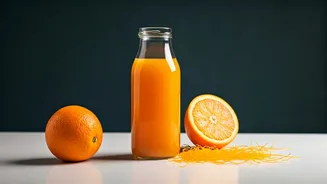
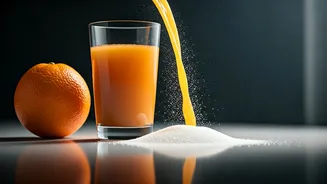
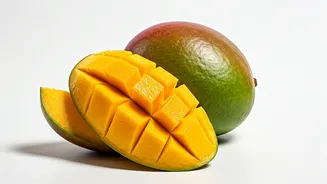
When you put fruits through a juicer, the machine does one thing very effectively: it separates the liquid from the solid pulp and skin. That solid stuff is where most of the dietary fibre lives. Fibre is the structural part of a plant, the stuff that gives it form and texture. By discarding it, we're left with what is essentially sugar water with some vitamins mixed in. You wouldn't eat a mango and throw away the flesh, but that’s metaphorically what happens when we juice. We're consuming the sweet liquid and discarding the complex, beneficial matrix that nature designed to accompany it.
The Blood Sugar Rollercoaster
This is where the real issue lies. In a whole fruit, the sugars are bound within a fibrous structure. This forces your digestive system to work to break it down, leading to a slow and steady release of sugar into your bloodstream. Your body can handle this gradual rise. Juice, however, is a different story. With no fibre to act as a brake, the sugars are 'free'. They hit your bloodstream almost instantly, causing a rapid spike in blood sugar. Your pancreas then has to work overtime, releasing a large amount of insulin to manage this sugar rush. This can lead to a subsequent crash, leaving you feeling tired and hungry again soon after. Over time, this cycle can contribute to insulin resistance, a precursor to type-2 diabetes.
Fibre: The Unsung Hero
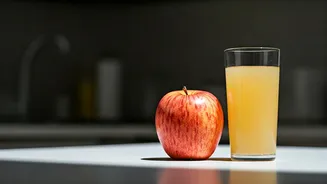
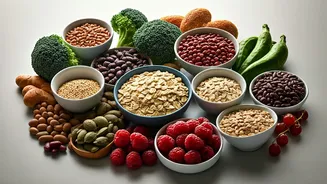
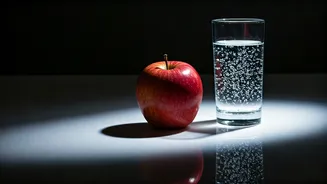
By ditching fibre, we lose more than just a blood sugar regulator. Fibre is critical for good health in many ways. First, it promotes satiety—it makes you feel full. A glass of apple juice (made from 3-4 apples) won't fill you up, but eating one whole apple often does. This feeling of fullness is key to managing weight. Second, fibre is essential for digestive health. It feeds the good bacteria in your gut and keeps your bowel movements regular. A diet rich in fibre is linked to a lower risk of various health issues, including heart disease and certain types of cancer. When you drink juice, you miss out on all these benefits.
But What About Cold-Pressed?
The wellness industry responded to early criticisms with a new buzzword: cold-pressed. The marketing suggests it’s a healthier, more nutrient-dense option because it doesn't use heat. While it’s true that cold-pressing may preserve slightly more heat-sensitive vitamins, it doesn't solve the fundamental problem. The fibre is still removed. A bottle of cold-pressed juice, no matter how expensive or fancy, is still a concentrated source of free sugars without the fibrous buffer. It might be a marginally better choice than a pasteurised juice from a carton, but it’s nowhere near as healthy as eating the whole fruit itself.
Smarter, Healthier Sips
This doesn't mean you must give up on convenient, healthy drinks. The superior alternative is a smoothie. When you blend whole fruits (and even vegetables), you retain the entire package—pulp, skin, and all the fibre. Your body digests a smoothie more like solid food. For an even healthier option, incorporate sources of protein and healthy fats like yoghurt, seeds (chia, flax), or nuts to create a more balanced and filling meal or snack. And let’s not forget the simplest and healthiest drink of all: water. If you want flavour, infuse it with slices of lemon, cucumber, or mint.