




The Sheer Footprint of Scale
The most visible difference between a mega-resort and an eco-lodge is size, and that scale has direct environmental consequences. Mega-resorts, often with hundreds of rooms, require vast tracts of land. Their construction can involve clearing vital coastal
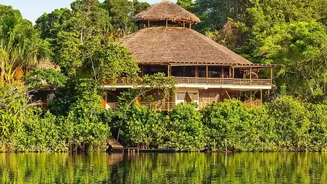
ecosystems like mangrove forests, which act as natural barriers against storms and are critical nurseries for marine life. Once built, these concrete giants impose a massive, permanent structure on the landscape, often leading to issues like beach erosion as they disrupt natural coastal processes. In contrast, eco-lodges are designed to blend in. They are smaller by nature and often utilize eco-sensitive architecture, such as elevated walkways to reduce ground impact or building with locally sourced, sustainable materials like reclaimed wood and bamboo. The philosophy is not to dominate the environment, but to exist within it, preserving the natural habitat that makes the destination special in the first place.
A Thirst for Resources: Water and Energy
A luxury tourist can use significantly more water than a local resident—sometimes up to ten times more in certain regions. Mega-resorts are incredibly thirsty, consuming enormous amounts of water to fill swimming pools, irrigate vast lawns and golf courses, and serve hundreds of guests who may take multiple showers a day. This can strain local water supplies, sometimes diverting precious resources from nearby communities. Energy consumption is similarly massive, with 24/7 air conditioning and lighting across a sprawling property. Eco-lodges tackle this by integrating conservation into their core operations. Many use renewable energy like solar panels and employ passive cooling designs to reduce the need for air conditioning. Water conservation is also key, with many implementing rainwater harvesting systems and recycling 'greywater' from showers and sinks for irrigation. These measures don't just lower the lodge's footprint; they demonstrate a respect for the local resource limits.
Waste Generation and Management
An all-inclusive resort model, built on abundance, can be a recipe for staggering waste. Buffet-style dining often leads to high levels of food waste. Beyond food, these resorts can generate huge amounts of solid waste, including single-use plastics from water bottles and amenities. In destinations with limited municipal infrastructure, this waste can overwhelm local landfills and disposal systems, leading to pollution. Small eco-lodges operate on a different model. With fewer guests and a focus on sustainability, they produce far less waste overall. Many prioritize farm-to-table dining, sourcing ingredients from local farms, which reduces food miles and supports the local economy. Composting food scraps, avoiding single-use plastics, and providing filtered water for refillable bottles are common practices that actively reduce the strain on local waste management.
The Community Connection
One of the most significant, yet often invisible, impacts of your accommodation choice is on the local community. Mega-resorts can create a phenomenon known as 'economic leakage', where the majority of the profits are sent to foreign parent companies rather than staying in the local economy. While they do create jobs, management and higher-paid positions are often filled by foreign staff, with locals relegated to lower-wage roles. Furthermore, by keeping guests within the resort for all their dining and entertainment needs, they can stifle local restaurants and businesses. Eco-lodges are often designed specifically to counter this. Many are owned and operated by local communities or have direct partnerships that ensure economic benefits are shared. They encourage guests to explore the local area, hire local guides, and eat at local establishments. This fosters a more authentic cultural exchange and ensures that tourism dollars directly support the people who call the destination home, creating a more sustainable and equitable model for travel.