




Setting Up for Success: Pots and Soil
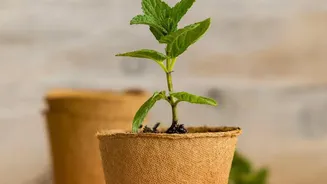
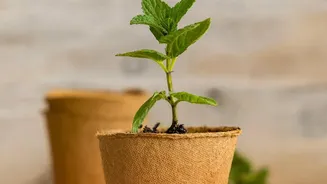
The foundation of any successful container garden is the right home and the right soil. For herbs like Tulsi, Mint, and Coriander, choose pots that are at least 6-8 inches deep and wide. The single most important feature is drainage; ensure your containers
have holes at the bottom to let excess water escape. Terracotta pots are an excellent choice as they are porous and allow roots to breathe. For the soil, avoid using heavy garden soil, which can become compacted and waterlogged in pots. A lightweight, well-draining potting mix is ideal. You can buy a pre-made mix or create your own by combining equal parts garden soil, compost (like vermicompost), and either coco peat or sand to improve aeration and drainage. This blend provides nutrients while preventing the roots from sitting in water, a common reason for herb failure.
Tulsi (Holy Basil): The Queen of Herbs
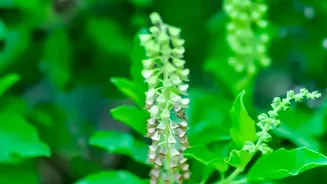
Tulsi is a sun-loving plant that is sacred in many Indian households. To keep it happy through the winter, placement is everything. It needs at least four to six hours of sunlight daily, so a south-facing windowsill or a bright, sunny balcony is the perfect spot. Tulsi is sensitive to cold and frost; if temperatures drop below 10-15°C, it's best to bring the plant indoors. Watering needs to be reduced significantly in winter as the plant's growth slows down. Water only when the top inch of the soil feels completely dry to the touch, perhaps only once a week. Overwatering in the cold is the quickest way to cause root rot. To encourage a bushier plant, regularly pinch off the flowering buds (manjiri) before they bloom, which directs the plant's energy into producing more leaves.
Mint (Pudina): The Easiest Herb to Tame
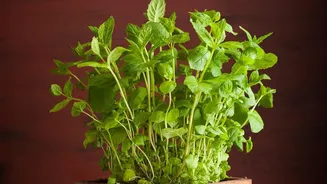
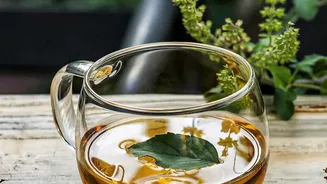
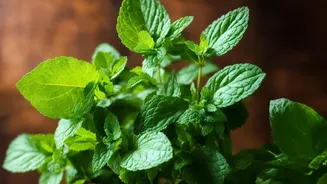
Mint is famously easy to grow—so easy, in fact, that it can quickly take over a garden bed. This makes it a perfect candidate for container gardening, which keeps its aggressive spreading nature in check. Mint is more tolerant of partial shade than many other herbs, but it still prefers a bright spot to stay bushy and flavourful. It enjoys consistently moist soil, so don't let the pot dry out completely, but ensure it still has good drainage. Unlike Tulsi, mint can handle a little more water. You can start a new plant easily from a cutting from an existing one; simply place a stem in a glass of water, and it will develop roots in a week or two. Harvest mint leaves frequently by snipping stems. This encourages the plant to become fuller and more productive, giving you a constant supply for your chai and chutneys.
Coriander (Dhania): From Seed to Garnish
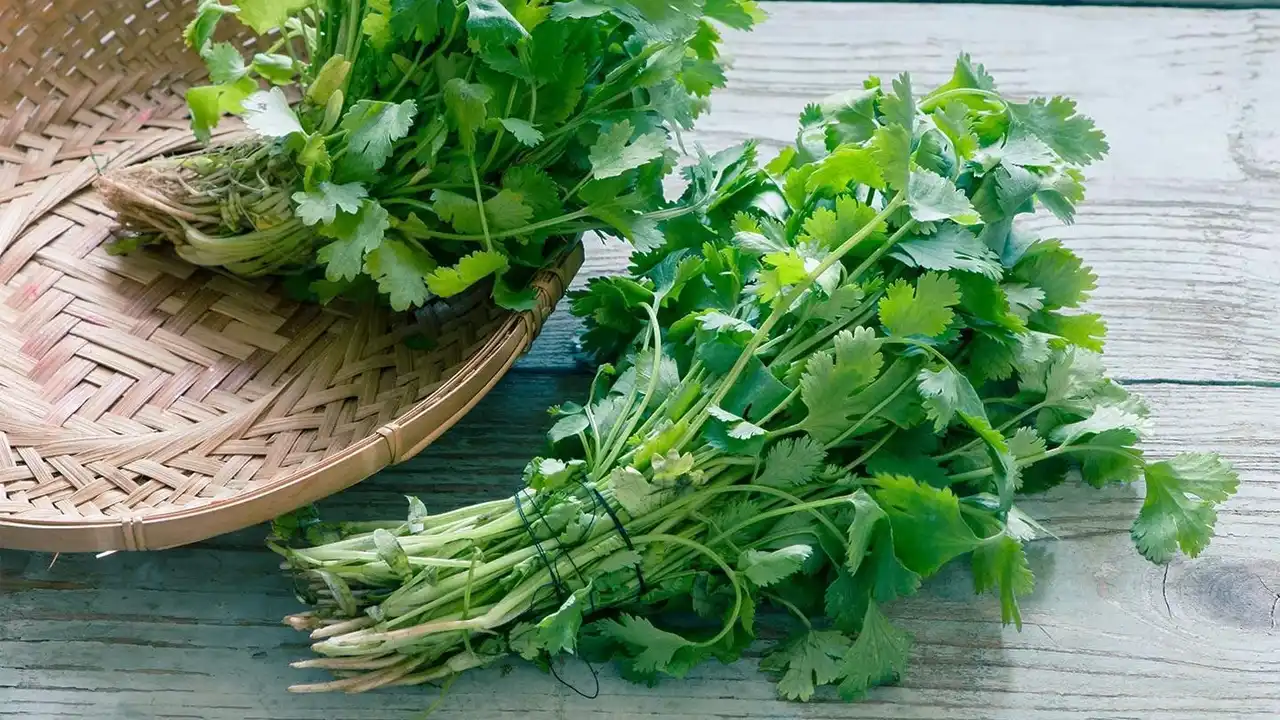
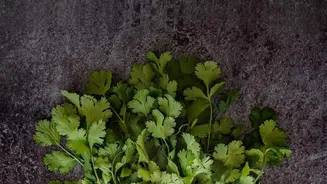
There's nothing quite like the taste of fresh Dhania, and growing it from seed is surprisingly straightforward. For better germination, it's a good idea to gently split the whole coriander seeds into two halves and then soak them in water for 24 hours before planting. Sow the seeds in a wide, relatively shallow pot, as coriander has a shallow root system. Sprinkle the seeds evenly across the soil surface and cover them with a thin layer of cocopeat or soil. Keep the soil consistently moist until the seeds sprout, which can take one to two weeks. Coriander needs about three to four hours of daily sunlight but can bolt (flower prematurely) in intense heat. The cooler winter weather is actually ideal for its growth. For a continuous supply, sow a new batch of seeds every few weeks.
General Winter Care and Harvesting
Winter presents unique challenges, primarily reduced sunlight and colder temperatures. Grouping your pots together can create a slightly warmer micro-environment that offers mutual protection. Be mindful of watering; plants need much less water when their growth slows down in the cold. Always check the soil before watering. If you have an indoor plant, remember that dry air from heaters can be a problem. Placing your pots on a tray of pebbles filled with water can help increase local humidity. When it comes to harvesting, a good rule is to never take more than one-third of the plant at a time. Regular, gentle harvesting encourages bushier growth and ensures your plants remain productive all winter long.