




The Great Migration from Megacities
For years, a career in technology meant migrating to bustling urban centres like Bengaluru, Hyderabad, or Pune. The pandemic, however, normalised remote work, untethering millions of professionals from their office desks. This has sparked a quiet but
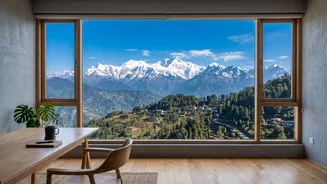
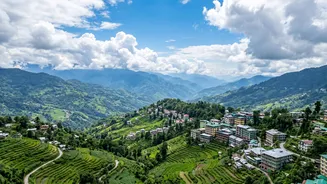
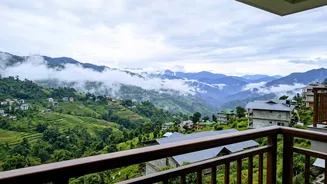
significant trend: a move away from expensive, congested cities towards locations that offer a higher quality of life. Gangtok, with its clean air, stunning landscapes, and peaceful environment, has emerged as a prime destination. Professionals are discovering they can meet deadlines and attend Zoom calls from a balcony overlooking the Kanchenjunga, fundamentally altering their daily lives.
Affordability Meets High Quality of Life
One of the most compelling reasons for the shift is economics. The cost of living in Gangtok is significantly lower than in major tech hubs. Rent for a one-bedroom apartment in the city centre can be over 60% cheaper than a comparable flat in Bangalore. This financial relief, combined with the lower costs of daily expenses, means a higher disposable income. For tech workers earning city-level salaries, the economic advantages are substantial, allowing for a more comfortable lifestyle without the financial pressures of a metropolis.
Infrastructure that Powers Productivity
The dream of working from the mountains hinges on one crucial element: reliable internet. Sikkim has made significant strides in its digital infrastructure. Co-living spaces and work-friendly hotels in Gangtok offer high-speed Wi-Fi with power backups, ensuring that productivity is not compromised. Dedicated coworking spaces like Sanctorum have also emerged, providing fibre internet, meeting rooms, and even podcasting studios for a professional work environment. Furthermore, major mobile network providers offer strong 4G and even 5G connectivity in the city, providing a reliable fallback. This robust infrastructure is a key enabler of the workation trend.
The Power of Community and Co-Living
While remote work offers freedom, it can also lead to isolation. Co-living hubs directly address this challenge by fostering a sense of community. Spaces like Tag Along 2.0 create a vibrant environment where travellers and professionals can connect, collaborate, and socialise. These hubs often organise community events, workshops, bonfires, and group hikes, creating a built-in social life. This blend of privacy and community offers the best of both worlds: a quiet space to focus on work and a network of like-minded individuals to share experiences with.
Beyond the Laptop: Wellness and Adventure
Perhaps the biggest draw is the unparalleled work-life balance. In Gangtok, the end of the workday doesn't mean a stressful commute; it means the opportunity for a hike, a visit to a serene monastery, or simply enjoying the mountain air. The proximity to nature is a powerful antidote to burnout, a common ailment in the high-pressure tech industry. The lifestyle promotes wellness, with many hubs offering yoga and meditation sessions. This focus on holistic well-being, combining professional productivity with personal rejuvenation, is a defining feature of the Gangtok workation experience.