







The Golden Ticket: What Are the Rules?
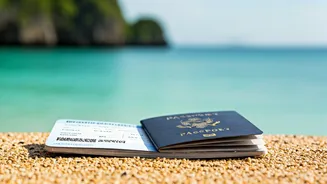
The Thai government has officially approved a temporary visa-exemption scheme for tourists from India and Taiwan. Effective from November 10, 2023, to May 10, 2024, this policy allows Indian passport holders to enter Thailand for tourism purposes without
a visa and stay for up to 30 days. This move is a strategic effort to boost the country’s vital tourism sector, which is still recovering post-pandemic. Previously, Indian travellers had to apply for a visa-on-arrival, which involved paperwork and a fee of 2,200 Thai Baht (approximately ₹5,100). The removal of this step significantly simplifies the travel process, making spontaneous trips much easier and more affordable. It's a game-changer for anyone who has been putting off a trip due to the hassle of visa applications.
The Surge Is Real: Expect Company
The announcement was met with an immediate and overwhelming response. Major Indian online travel agencies reported a massive spike in search queries for Thailand-related travel. Platforms like MakeMyTrip and EaseMyTrip saw search volumes for Bangkok, Phuket, and Krabi jump by as much as 40% in the hours following the news. This digital stampede indicates a real-world consequence: more people will be heading to Thailand’s famous beaches and cities over the next six months. While this is great for the Thai economy, for travellers it means more competition for flights, hotel rooms, and even a spot on the beach. The 'sudden seaside holiday rushes' are not just a possibility; they are an expected reality. Planning ahead is no longer just good advice—it's essential.
How to Plan Your Trip Smartly
To navigate the anticipated crowds and make the most of your trip, a proactive approach is key. First, book your flights and accommodation as far in advance as possible. Airfares are subject to dynamic pricing, meaning they will climb as demand increases. Securing your tickets early can save you a significant amount of money. The same logic applies to hotels, especially if you have your heart set on a popular beachfront resort. Second, consider travel insurance. While not mandatory, it provides a safety net for unforeseen medical emergencies, trip cancellations, or lost baggage. Third, prepare your documents. Even without a visa, you'll need a passport with at least six months of validity and proof of a return flight and accommodation.
Beyond the Postcards: Explore New Shores
Phuket, Pattaya, and Krabi will undoubtedly see the biggest influx of visitors. To escape the thickest crowds, consider exploring some of Thailand's less-hyped but equally stunning destinations. For pristine beaches and a more relaxed vibe, look towards Koh Lanta or the Trang Islands. For a mix of royal history and seaside relaxation, Hua Hin is an excellent choice, located just a few hours' drive from Bangkok. In the north, while Chiang Mai is popular, the nearby town of Pai offers a bohemian atmosphere with beautiful waterfalls and canyons. Venturing off the main tourist trail will not only give you a more authentic experience but also likely offer better value for your money as demand will be comparatively lower.
What Will It Cost?
Even with the visa fee waived, budgeting is crucial. Return flights from major Indian cities like Delhi or Mumbai can range from ₹20,000 to ₹35,000, depending on how early you book and the time of year. Accommodation varies widely: budget-friendly guesthouses can be found for under ₹2,000 per night, while mid-range hotels often fall in the ₹4,000-₹8,000 range. For daily expenses covering food, local transport, and activities, a budget of ₹3,000 to ₹5,000 per person per day is a reasonable estimate. Remember that island destinations like Phuket tend to be more expensive than mainland cities like Bangkok or Chiang Mai. By saving on the visa fee, you now have a little extra to spend on experiences, whether it's a cooking class, a scuba diving trip, or an extra-special dinner.