





The High Wall of Tariffs
For years, owning a premium, imported motorcycle in India has been a dream chased against a formidable obstacle: high import duties. Tariffs on completely built-up (CBU) motorcycles often exceeded 100%, effectively doubling the price of iconic bikes from
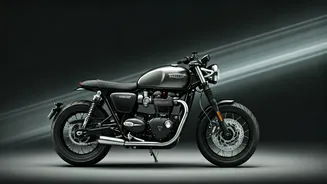
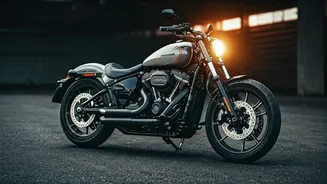
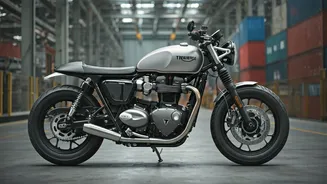
brands like Harley-Davidson, Triumph, and others. [24] This protectionist policy was designed to encourage domestic manufacturing, but for enthusiasts, it placed their dream machines tantalizingly out of reach. The high taxes have long been a point of contention, particularly with the United States, which has consistently lobbied for lower tariffs on its exports like Harley-Davidson motorcycles. [14, 19]
A Budget of Surprises
The landscape began to shift with India's 2025 Union Budget, which announced significant cuts in import duties for motorcycles. [2] For bikes with engines up to 1,600cc imported as CBUs, the duty dropped from 50% to 40%. [3] The most substantial reduction was for motorcycles with engines larger than 1,600cc, where the tariff was slashed from 50% to just 30%. [2, 18] Duties on semi-knocked down (SKD) and completely knocked down (CKD) kits—where bikes are imported in parts and assembled locally—also saw reductions. [4] This move was seen as a direct boost for brands with large-engine offerings like Harley-Davidson and Triumph, making their flagship models considerably more affordable for Indian buyers. [2]
The Free Trade Agreement Factor
Beyond the budget, the real game-changer is the series of Free Trade Agreements (FTAs) India is negotiating, particularly with the UK and the EU. An India-UK FTA, set to take effect on July 15, 2026, promises a phased reduction of duties on British-made vehicles. [7, 13] While much of the focus has been on cars, the motorcycle industry is watching closely. The UK's Motorcycle Industry Association (MCIA) has welcomed the deal, noting that India has agreed to slash duties on some vehicles from over 100% down to 10% under a quota system. [6] This could be a massive boon for British brands like Triumph and Norton Motorcycles. [11, 24]
How Trade Deals Impact the Ride
These trade negotiations are not just abstract economic policy; they have a direct impact on the showroom floor. The India-US trade framework, for example, reportedly included a provision for zero import duties on bikes between 800cc and 1600cc, directly benefiting American brands. [16] Similarly, the India-EU FTA is expected to reshape the premium market by lowering tariffs, making European brands more competitive. [8] For the Indian biker, this translates to more choice and, crucially, lower prices. A Harley-Davidson Street Glide or a Triumph Rocket 3, once prohibitively expensive, could become a more attainable aspiration. [2] This increased competition also forces all manufacturers to offer better value, technology, and features. [5]
A New Road for Indian Biking
The reduction in tariffs is not just about making foreign bikes cheaper. It is also designed to encourage global brands to invest more in India. By lowering duties on CKD kits, the government incentivizes companies to set up or expand local assembly operations, aligning with the 'Make in India' initiative. [3] This creates jobs and helps integrate Indian suppliers into global supply chains. [9] Brands like Triumph and Harley-Davidson have already partnered with Indian giants Bajaj Auto and Hero MotoCorp, respectively, to produce smaller-capacity bikes in India. [24] The new trade environment could accelerate this trend, transforming India into a manufacturing hub for the world, not just a market.