



The Great Indian Food Shift
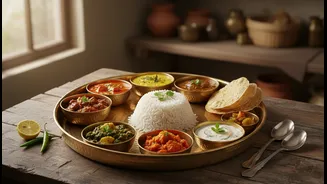
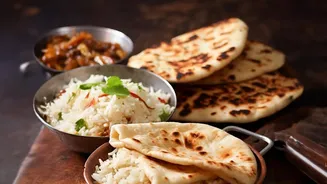
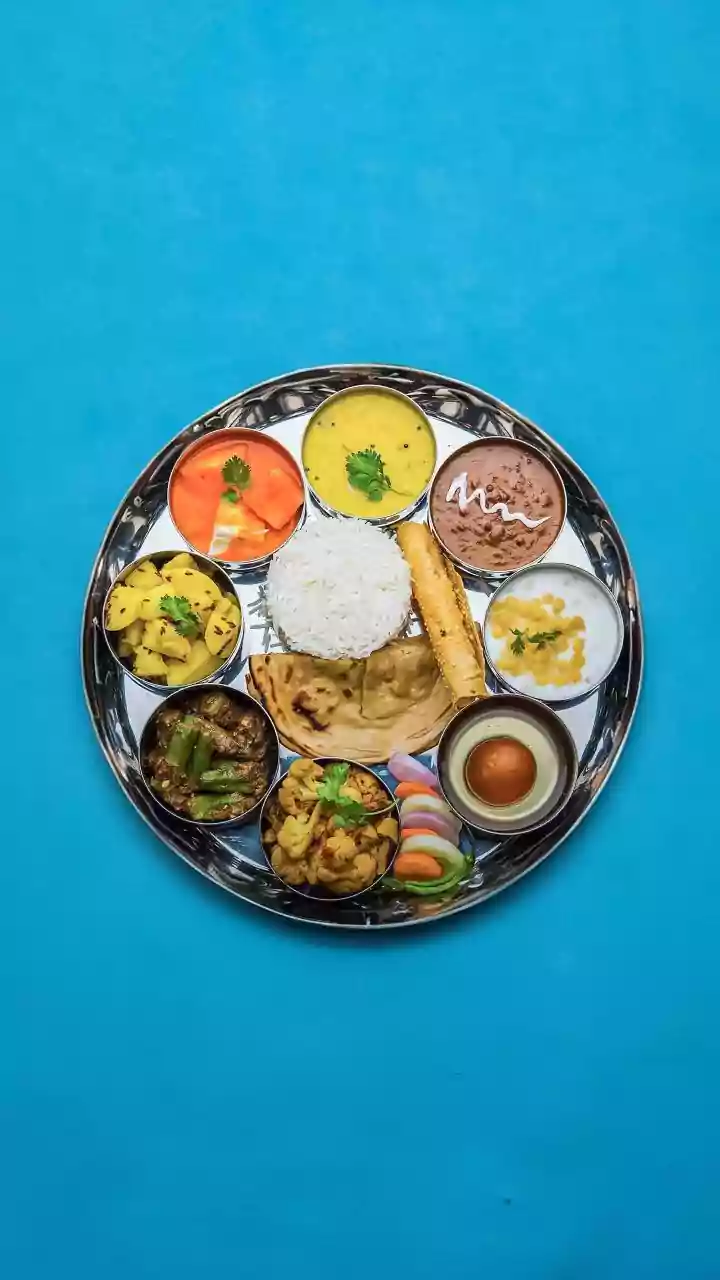
India is undergoing a rapid nutrition transition. For generations, the typical Indian diet was anchored in home-cooked meals rich in cereals, pulses, and fresh vegetables. Today, factors like urbanization, rising incomes, and more women joining the workforce
are changing what India eats. The demand for convenience has led to a dramatic increase in the consumption of processed and ultra-processed foods (UPFs). These are industrial formulations high in sugar, salt, and fat, designed for a long shelf life and convenience. This shift is not just an urban phenomenon; packaged foods are making deep inroads into rural markets, replacing traditional dietary patterns across the country. The result is a move away from diverse, fibre-rich traditional meals towards a more Westernized, energy-dense diet.
An Engine of Economic Growth
This dietary change spells a massive opportunity for the Indian economy. The food processing industry is booming, projected to become a USD 600 billion sector by 2030. This growth creates jobs, boosts exports, and provides new avenues for agricultural products, potentially increasing farmer incomes. The rise of food tech platforms and quick-commerce has further revolutionized access, making a vast array of packaged and ready-to-eat meals available with just a few taps on a smartphone. This industrialization of the food chain is a key part of India’s economic development narrative, attracting significant investment and fostering innovation in logistics, packaging, and food technology.
The Hidden Cost of Convenience
The flip side of this convenience is a growing public health crisis. India is now grappling with a "double burden of malnutrition," where persistent undernutrition in some communities coexists with a sharp rise in obesity and diet-related non-communicable diseases (NCDs) like diabetes and heart disease. Recent national health data shows a significant jump in the prevalence of obesity and high blood sugar among adults. Studies directly link the rising consumption of ultra-processed foods to these negative health outcomes. While rates of child stunting have fallen, indicating progress on one front, the surge in adult lifestyle diseases suggests the nutritional quality of the average Indian diet is declining, creating a ticking health time bomb.
The Illusion of Choice
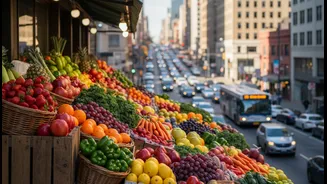
This is where the risk of 'superficial variety' becomes clear. A walk down a supermarket aisle reveals an explosion of choices: dozens of biscuit brands, countless flavoured chips, and rows of sugary drinks. However, this apparent diversity is often an illusion. Many of these products are simply variations of a few core, low-cost industrial ingredients like refined flour, palm oil, corn syrup, and various additives. This superficial variety stands in stark contrast to the genuine biodiversity of traditional Indian diets, which included a wide range of millets, lentils, and indigenous vegetables, each with a unique nutritional profile. The new food environment may offer more products, but it can lead to a less diverse and less nutritious diet overall, disrupting gut health and reducing intake of essential fibres and micronutrients.
Navigating the New Foodscape
Addressing this challenge requires a multi-pronged approach. Policymakers are taking steps, such as the FSSAI's proposal for front-of-pack labelling (FOPL) to help consumers quickly identify foods high in fat, salt, and sugar. However, the implementation of these regulations has been slow. Simultaneously, there is a growing consumer-led interest in reviving traditional foods. The promotion of millets and other nutrient-dense traditional grains is a positive step toward reintroducing genuine dietary diversity. Ultimately, fostering greater public awareness about the difference between a full shelf and a healthy plate is crucial for ensuring that India's diet transition leads to genuine prosperity and well-being, not just a wider array of unhealthy options.